
🏠 Trusted Local Roofers
Chimney Bird Guard and Cowl Fitting Market Harborough
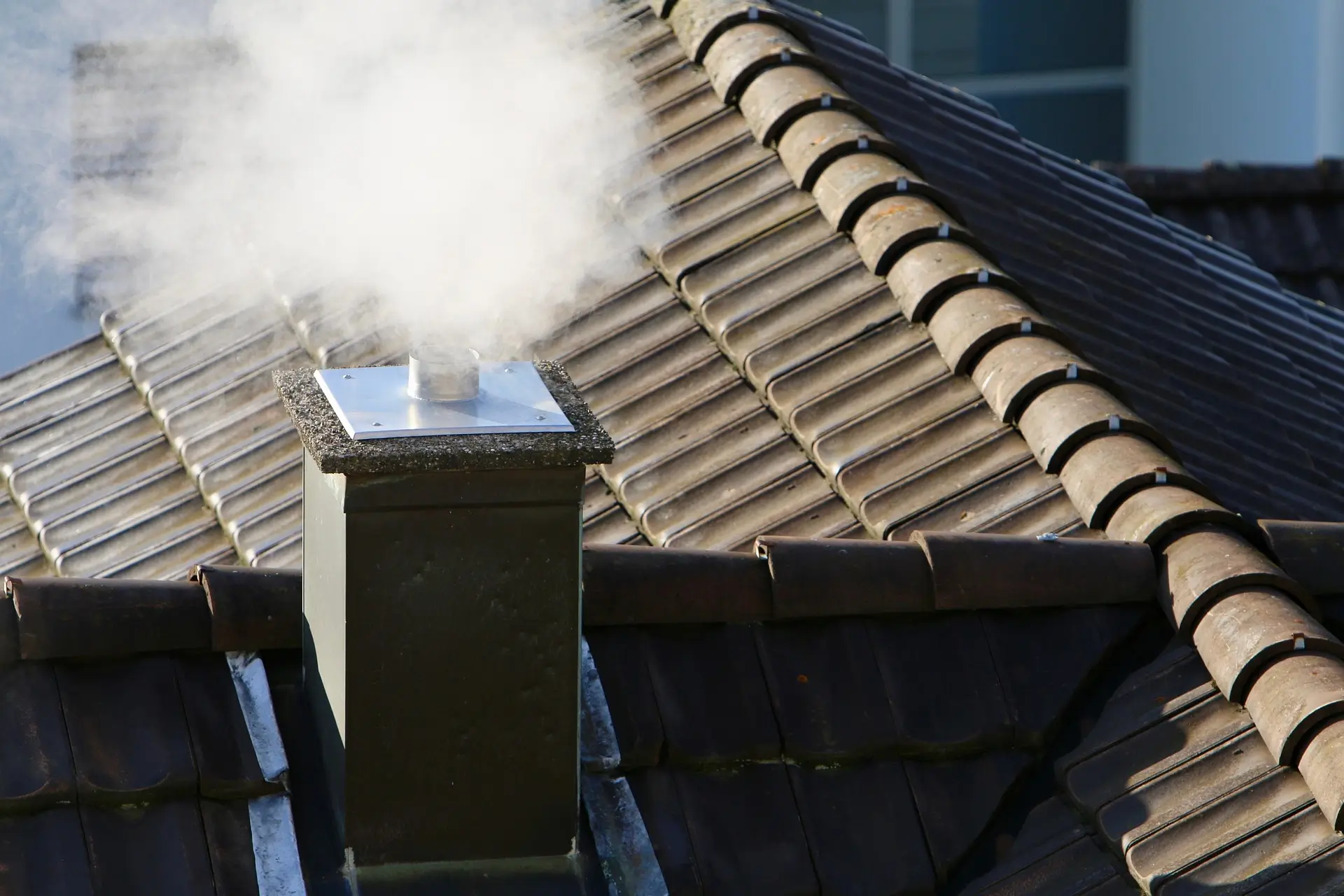
Every spring, jackdaws drop sticks down open chimney pots across Market Harborough and build nests deep in the flue. A blocked flue is a fire risk and a carbon monoxide risk, and it can push smoke back into your room. Tate & Sons Roofing handles chimney bird guard and cowl fitting in Market Harborough and the villages around the Welland Valley. We fit the right cap for your chimney, whether it feeds a working fire or sits unused.
This page explains bird guards, anti-downdraught cowls and capping cowls, what each one does, real fitting prices, and the law on nesting season. Start with a free drone survey and a written quote before any work begins — no scaffold just to take a look, and no charge either way. Cowl and guard fitting is one part of the wider work we offer across chimney services across Market Harborough.
- Fully Insured
- 10-Year Guarantee
- 5-Star Rated
Quick Free Estimate - No Obligation
We're not just roofers – we're your neighbours.
Fully Insured • Response within 15 mins
🔒 Your details are safe with us. No spam, ever.
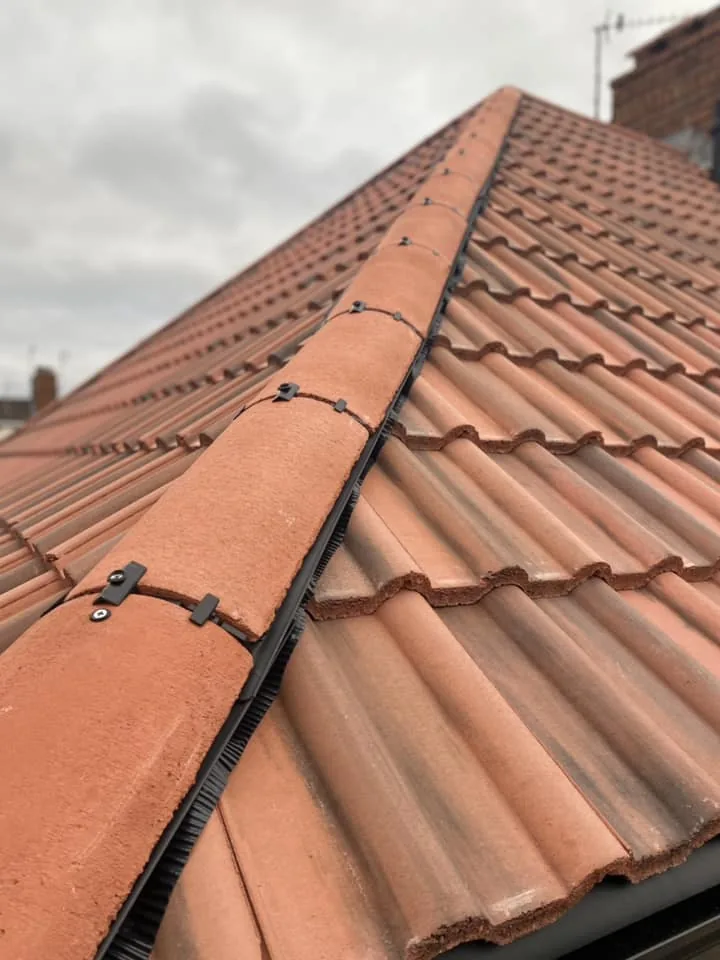
Why Jackdaws Target Your Chimney and What a Blocked Flue Really Costs
Jackdaws love a wide, open chimney pot. It looks like a hollow tree to them, and they will drop sticks in until the nest wedges tight in the flue. Most nesting happens between April and July.
An open pot lets in more than birds. Watch for these signs of a chimney that needs a guard or cowl:
- Scratching, flapping or bird noise coming down the flue in spring
- Twigs, straw or droppings landing in the fire grate
- Smoke drifting back into the room when you light a fire
- A cold draught blowing down an unused chimney breast
- Damp patches on the chimney breast after heavy rain
- Rain or debris falling down an open, uncapped pot
A nest packed into a flue blocks the path smoke and fumes take out of your home. That raises the fire risk, and it can push carbon monoxide back into the room. Clearing a blocked flue, then fitting a guard, always costs more than capping an open pot early. A small mesh guard is cheap insurance against a big bill later.
Bird Guard, Anti-Downdraught or Capping Cowl — Which One You Need
Not every chimney needs the same cap. A working fire, an unused flue and a windy hilltop each call for a different type. Here is the short version. A bird guard keeps birds and debris out while letting the flue breathe. An anti-downdraught cowl stops wind pushing smoke back down. A capping cowl seals a disused flue against rain while still letting it vent. A survey settles which one suits your pot.
Plenty of caps do two jobs at once. A combined rain-and-bird guard, for example, keeps birds out and stops rain falling straight down the pot. Ryan Tate will walk your chimney and tell you which type fits your roof, your pot and how you use the fire. You get a plain answer, not a sales pitch.
| :-: | :-: | :-: | :-: |
| Type | What it does | Best for | Notes |
| Bird guard | Mesh cage that blocks birds and debris while smoke and air pass through | Any pot birds try to nest in; working or lightly used flues | Mesh gaps no wider than 20mm keep jackdaws out; supply from about £15–£30 |
| Anti-downdraught cowl | Shapes the airflow so wind cannot push smoke back down the flue | Exposed or hilltop chimneys where a fire smokes on windy days | Wrong choice if you have no downdraught; can then harm the draw |
| Capping (vented) cowl | Caps a disused flue against rain and birds, but still lets it breathe | Blocked-off fireplaces and chimneys no longer in use | Never fully seal a flue; trapped moisture causes damp |
| GC-type gas cowl | Terminal built to suit a gas appliance flue | Chimneys serving a gas fire or gas appliance | Must match the appliance; a Gas Safe engineer confirms the type |
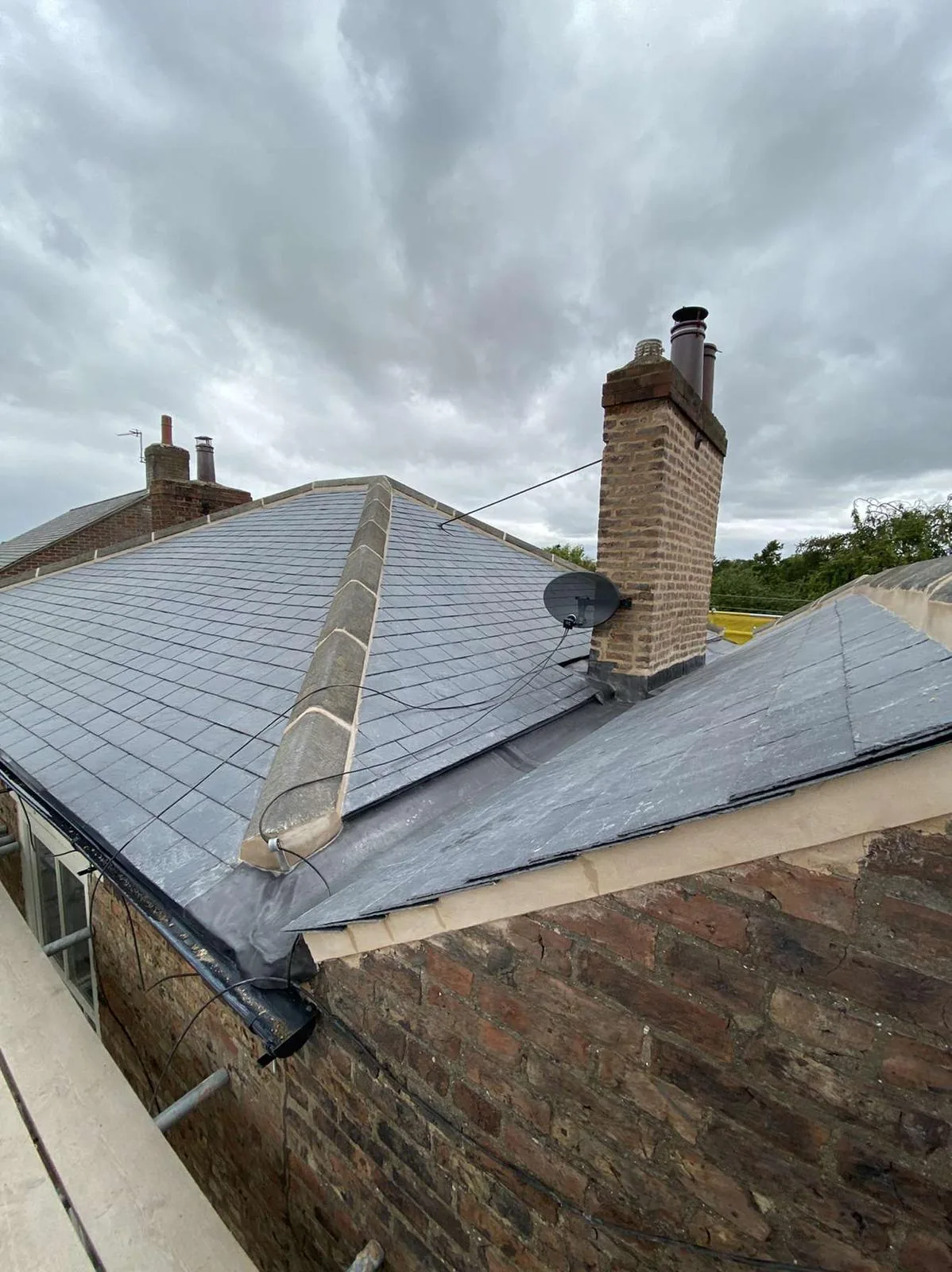
Stop Smoke Blowing Back Into Your Living Room
Some chimneys smoke every time the wind gets up. Gusts hit the pot, roll down the flue and push smoke back into the room. This is downdraught, and it is common on exposed roofs around Foxton and the higher ground near Husbands Bosworth.
An anti-downdraught cowl fixes this. It shields the top of the flue and shapes the airflow, so wind sweeps over the pot instead of diving into it. That keeps the draw pulling upward the way your fire needs. On the most exposed sites, a spinning cowl can do the same job by turning with the wind.
One word of caution. Fitting an anti-downdraught cowl on a chimney with no downdraught problem can harm the draw instead of helping it. This is why we survey first and match the cap to the fault. Guessing wastes your money and can leave a fire that draws worse than before.
Cap an Unused Flue Without Trapping Damp Inside
Plenty of homes in Market Harborough have a chimney nobody uses any more. An open, unused pot lets in rain, leaves and nesting birds. The obvious move is to seal it, but sealing it fully is the wrong call.
A flue needs to breathe. Close it off completely and moisture gets trapped inside the stack. That damp then shows up as staining on the chimney breast, and it can rot plaster from behind. A vented capping cowl solves both problems at once. It keeps rain and birds out while letting a trickle of air keep the flue dry.
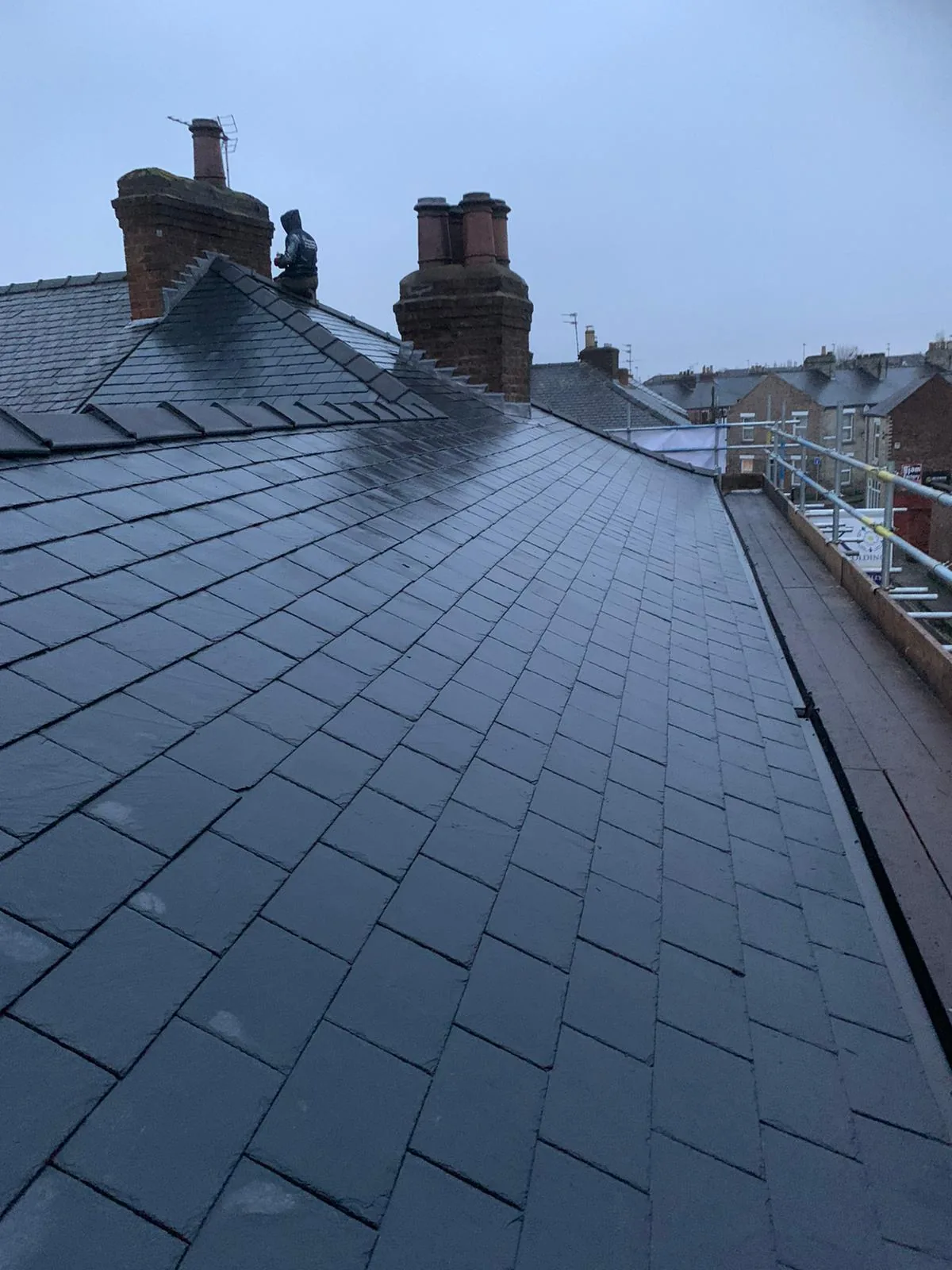
Fit a capping cowl over the pot, and add a small air vent in the room below. Together they keep air moving gently through the stack. This is the standard way to retire a chimney without storing up a damp problem for later. We fit the same pots and terminals in our Chimney Pot Installation and Replacement work.
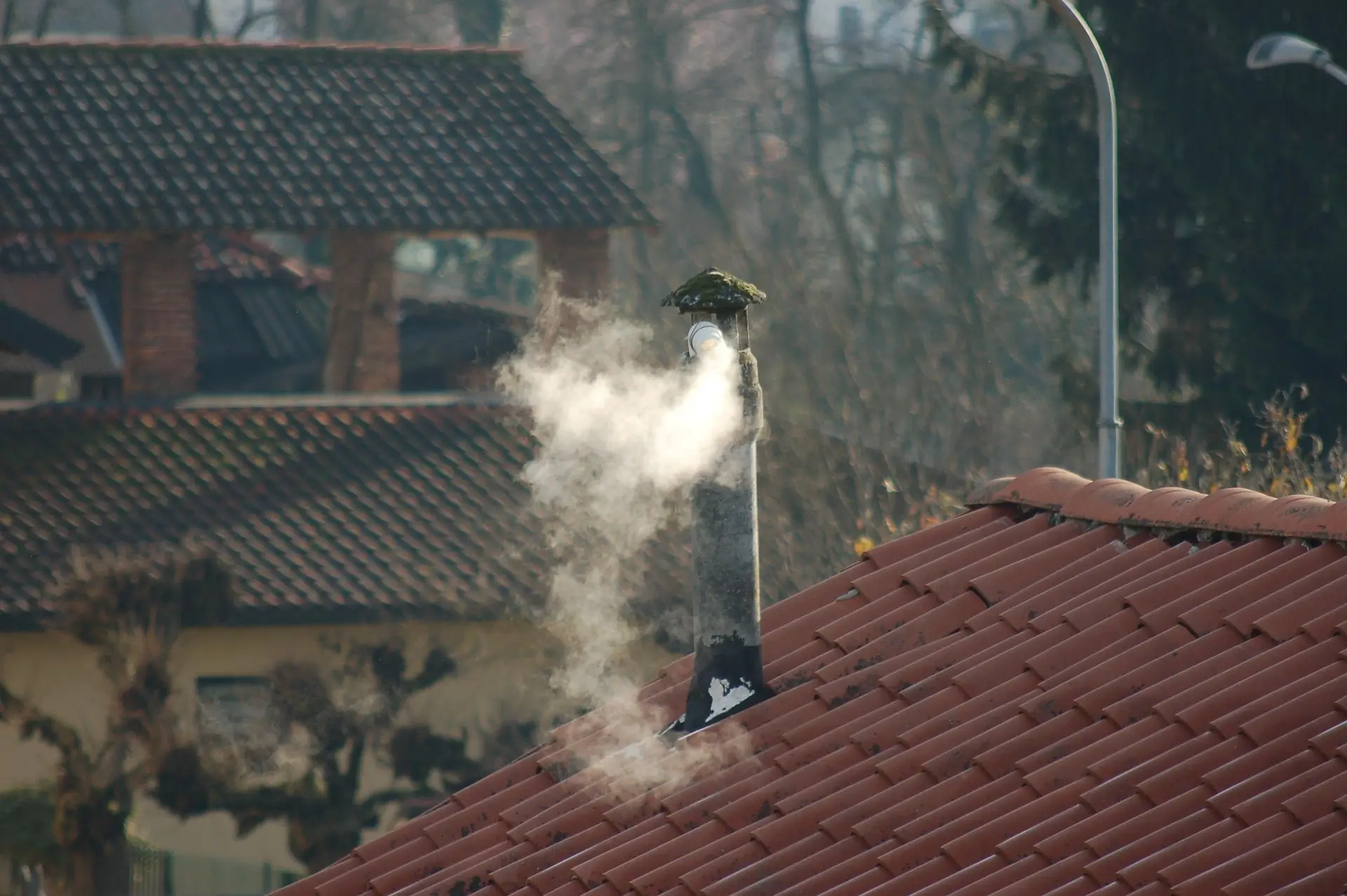
Do You Even Need a Cowl With a Working Fire?
People ask this a lot, and the honest answer is: it depends. A chimney with a strong, clean draw and no bird trouble can run happily with a bare pot. Many do for years.
Most chimneys still benefit from a cap. Even a working flue gains from a guard that keeps out rain, leaves and nesting birds. The trick is matching the type to your fire. A wood burner and an open fire pull differently, and the wrong cowl can choke either one.
For an open fire or a stove, a bird guard or a combined rain-and-bird guard is usually the safe pick. It protects the pot without fighting the draw. If your fire also smokes on windy days, an anti-downdraught cowl handles both. We check the draw before we recommend anything, so the cap helps the fire rather than hindering it. Our Chimney Cap Installation & Weatherproofing service covers the wider job of keeping the whole stack dry.
Fit at the Right Time of Year — the Law on Nesting Season
Timing matters with bird guards. Once birds are nesting in your flue, the law limits what anyone can do. The Wildlife and Countryside Act 1981 protects an active nest that is in use or being built.
It is an offence to damage or destroy an active nest, and fines can reach £5,000. The bird nesting season runs broadly from March to August, with jackdaws busiest from April to July. So the best time to fit a guard is outside that window, from September through to February, before the birds come back.
There is one exception. Where a nest is a genuine health or safety hazard, a professional sweep authorised by Defra can clear it under licence. If you already have birds in the flue, call us. We will advise the right, legal path and fit a guard once the flue is safe and clear.
A Quick Yearly Check Keeps Your Cowl Doing Its Job
A cowl or guard needs almost no upkeep. A quick look once a year keeps it working, and catches any small problem early.
- Glance up at the pot each autumn for a leaning or loose cowl
- Check the mesh is clear of leaves, soot and old nest material
- Watch for smoke drawing worse than usual, a sign of a blocked guard
- Have the flue swept on schedule, even with a guard fitted
Guards and mesh can clog with soot over time, so a sweep keeps both the flue and the cap clear. For an independent reference on caring for an older chimney and capping a disused flue, the SPAB guidance on chimney maintenance is a solid place to read up. We serve homes across Lubenham and Great Bowden where period stacks need this kind of care.
Cost and Pricing Guidance for Cowl and Bird Guard Fitting
Cost comes down to three things: the cap you choose, roof access, and whether the flue needs clearing first.
As a general guide, supply-only prices run from around £15–£30 for a basic bird guard, £30–£70 for a multi-purpose cowl, and £50–£150 for a stainless steel cowl. Fitted, a bird guard often starts near £89 plus VAT where access is easy, with most cowl fits landing around £120–£170 with no scaffold. Where the roof needs scaffold or a tower, fitted prices rise to roughly £190–£280.
What pushes a price up or down:
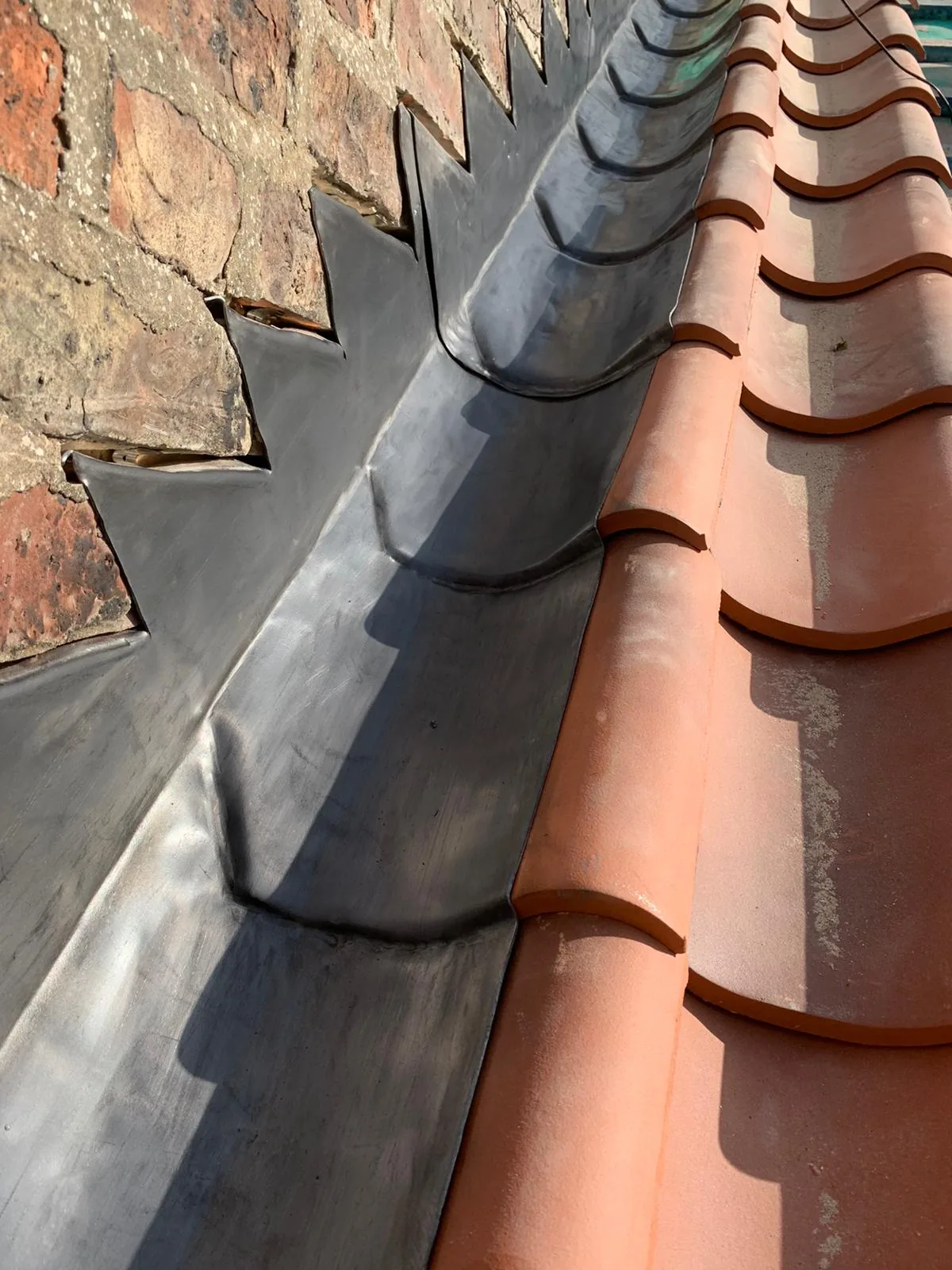
- **Roof access*— a pot reached by ladder costs less than one needing scaffold or a tower
- **Cowl type*— a basic bird guard costs less than a stainless anti-downdraught cowl
- **Number of pots*— capping several flues on one stack in a single visit
- **Clearing the flue*— an existing nest or blockage adds a sweep before fitting
- **Pot condition*— a cracked or loose pot may need refitting before a cap goes on
These are general market ranges, not a quote for your chimney. Two pots the same height can price very differently once access and pot condition are factored in. The only way to a firm figure is a proper look, which is exactly what our free drone survey gives you, followed by a clear written price with nothing added later. A fixed price needs a survey.
Why Market Harborough Homeowners Call Tate & Sons First
You are not just buying a cowl — you are buying whoever climbs up to fit it. Ryan Tate, our project manager, runs the site work and fits cowls, guards and chimney caps day in, day out. He is part of the same crew that turns up to your roof, not just the man who quoted it.
Founder Michael Tate started his apprenticeship at sixteen and built Tate & Sons on one rule: fix the cause, not the symptom. He surveys the chimney and gets to the reason it smokes, draws poorly or lets birds in, rather than slapping on any cap and hoping. Between us we carry over 45 years of combined experience, hold NVQ Level 2 and 3 qualifications in Roofing Occupations, and keep CSCS cards and NFRC trade-body membership. Read more about the people behind the work on our About Tate & Sons Roofing page.
Areas We Serve Across Market Harborough and the Harborough District
We fit bird guards and cowls across Market Harborough and the surrounding Welland Valley villages. If your area is not on the list below, call us anyway — if you are nearby, there is a strong chance we cover you.
- Market Harborough (LE16)
- Great Bowden (LE16 7)
- Little Bowden (LE16 8)
- Lubenham (LE16 9)
- Foxton (LE16 7)
- Medbourne (LE16 8)
- Kibworth Beauchamp (LE8)
- Great Glen (LE8 9)
- Fleckney (LE8 8)
- Husbands Bosworth (LE17 6)
- Desborough (NN14 2)
Got Questions?
Your Bird Guard and Cowl Questions, Answered Properly
How do I stop birds nesting in my chimney?
Fit a bird guard over the pot. It is a mesh cage that blocks birds while letting smoke and air pass through. Look for mesh gaps no wider than 20mm, which keeps jackdaws out without trapping smaller birds. The best time to fit one is outside nesting season, from September to February. Once a guard is on, birds cannot drop sticks down the flue.
Do I need a cowl if I have a working fire?
Not always, but most chimneys benefit from one. A flue with a strong draw and no bird trouble can run with a bare pot. A cap still helps by keeping out rain, leaves and nesting birds. For an open fire or stove, a bird guard or combined rain-and-bird guard is the usual safe pick. We check the draw first, so the cap helps the fire rather than choking it.
What is the difference between a bird guard and an anti-downdraught cowl?
A bird guard is a mesh cage that blocks birds and debris while the flue breathes normally. An anti-downdraught cowl shapes the airflow so wind cannot push smoke back down the flue. They solve different problems. If your fire smokes on windy days, you want the anti-downdraught cowl. If birds are the issue, a guard does the job, and some caps combine both.
Can I cap an unused chimney completely?
No, do not seal it fully. A flue needs to breathe, and a sealed stack traps moisture that causes damp on the chimney breast. Fit a vented capping cowl over the pot instead. Add a small air vent in the room below, and the two keep gentle air moving through the stack. That keeps rain and birds out while the flue stays dry.
Is it legal to remove a bird's nest from my chimney?
Not while the nest is active. The Wildlife and Countryside Act 1981 protects a nest in use or being built, and fines can reach £5,000. Nesting season runs broadly from March to August. Outside that window you can clear an old, empty nest freely. Where a nest is a genuine safety hazard, a Defra-authorised sweep can clear it under licence.
How much does it cost to fit a chimney cowl or bird guard?
As a general guide, a bird guard fitted often starts near £89 plus VAT with easy access. Most cowl fits land around £120–£170 with no scaffold. Where the roof needs scaffold or a tower, expect roughly £190–£280. The cap itself ranges from about £15 for a basic guard to £150 for a stainless cowl. A free drone survey gives you an exact written price. A fixed price always needs a survey first.
What is a GC-type cowl and do I need one?
A GC-type cowl is a terminal built to suit a chimney serving a gas fire or gas appliance. It has to match the appliance to vent safely, so this is not a guess. A Gas Safe registered engineer confirms the right type for your setup. If your flue serves a gas appliance, we work to that spec rather than fitting a standard cowl over the top.
Will a bird guard stop my chimney drawing properly?
A correctly sized guard should not harm the draw. It lets smoke and air pass through the mesh while blocking birds. The risk comes when a guard clogs with soot or old nest material over time. That is why we still recommend a regular sweep, even with a guard fitted. A clear guard keeps the fire pulling the way it should.
Book Your Free Drone Chimney Survey Today
See exactly what your chimney needs before any work starts. No ladders, no pressure — just a clear picture from a local Market Harborough team.
Every spring a bare pot waits, birds move in, and a small mesh guard turns into a full nest clearance. A quick, free survey today tells you exactly where you stand — and the fix is often smaller and cheaper than you feared. Book now, get an honest quote, and cap your chimney before the jackdaws beat you to it.
ð 5 Hood Close, Market Harborough, LE16 9XS
ð 01858 457600
Call the Market Harborough team today on 01858 457600, or request your free drone survey online. We're already working across your area.
Book Your Free Drone Roof Survey
See exactly where your roof stands, with no obligation and no pressure. Call our Market Harborough team or request your free drone survey today.
Get in Touch
Tate & Sons Roofing — Market Harborough Office
5 Hood Close, Market Harborough, LE16 9XS
📞 01858 457600
✉️ [email protected]