
🏠 Trusted Local Roofers
Commercial Roofing in Hinckley
A commercial roof problem in Hinckley rarely stays a roof problem for long. Stock gets damaged, staff cannot work safely under a leak, and customers notice a bucket on the shop floor before they notice anything else. Commercial roofing in Hinckley covers everything from a single retail unit in the town centre to warehouse roofs stretched along the A5/Watling Street corridor and the business parks near the M69. Tate & Sons Roofing fits, repairs and maintains commercial roofs across the borough, working as a full roofing contractor across Hinckley for shops, offices, workshops and industrial units alike.
This page walks you through when a repair beats a full replacement, which commercial roofing system suits your building, what the work actually costs, and how we keep your business trading while it happens. Start with a free drone roof survey and a written quote before anything is agreed — no scaffold just to take a look, and no obligation either way.
- Fully Insured
- 10-Year Guarantee
- 5-Star Rated
Quick Free Estimate - No Obligation
We're not just roofers – we're your neighbours.
Fully Insured • Response within 15 mins
🔒 Your details are safe with us. No spam, ever.
Spot the Warning Signs Before a Small Leak Becomes a Closed Unit
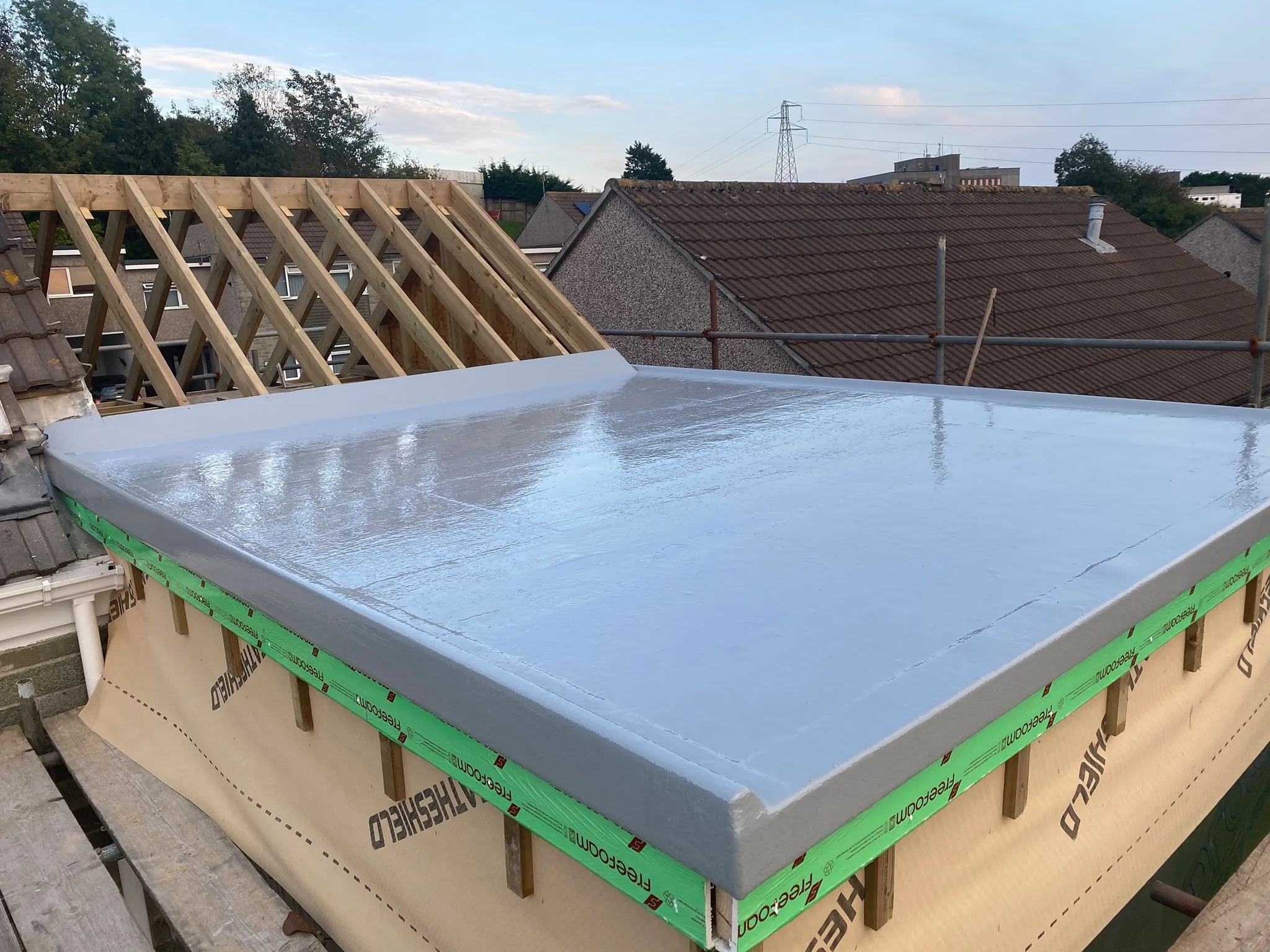
Most commercial roofs give warning long before they let go completely. On a flat roof the first sign is usually water that will not drain away, sitting in the same spot for days after rain has stopped. A pitched or profiled metal roof tends to show rust streaks at the fixings first, then a lifted sheet edge after the next windy spell.
Watch for these on any commercial or industrial building in Hinckley:
- Ponding water that stays on a flat roof more than 48 hours after rain
- Blistering, splitting or lifted seams on a membrane or felt roof
- Rust staining or loose fixings on a metal or profiled sheet roof
- Ceiling tiles stained brown, sagging, or falling in an office or retail space
- A musty smell in a stockroom or storage area that only appears after rain
- Daylight visible through the roof deck from inside a warehouse or unit
- Gutters and outlets blocked with moss, leaves, or building debris
Some of the oldest commercial buildings around Hinckley's Druid Quarter began life as textile and hosiery mills, and many still carry roof coverings that were patched repeatedly rather than properly renewed. A felt or asphalt roof from that era is usually well past its working life, even where it still looks sound from ground level. A free drone survey gives you clear footage of the whole roof, so you know exactly what you are dealing with before it costs you trading days.
Repair, Overlay, or Full Replacement — Getting the Call Right for Your Business
A split seam or one damaged flashing does not usually call for a full new roof. Localised damage on an otherwise sound commercial roof is normally a straightforward repair, and our commercial roof repair service in Hinckley deals with exactly that kind of targeted fix, fast, without disrupting the whole building.
Widespread wear tells a different story. If a membrane is cracking across large areas, if the deck underneath has started to sag, or if you are calling us back to the same roof every few months, patching stops making financial sense. At that point a full replacement, or in some cases an overlay of a new membrane directly over a sound existing roof, is usually the better long-term answer.
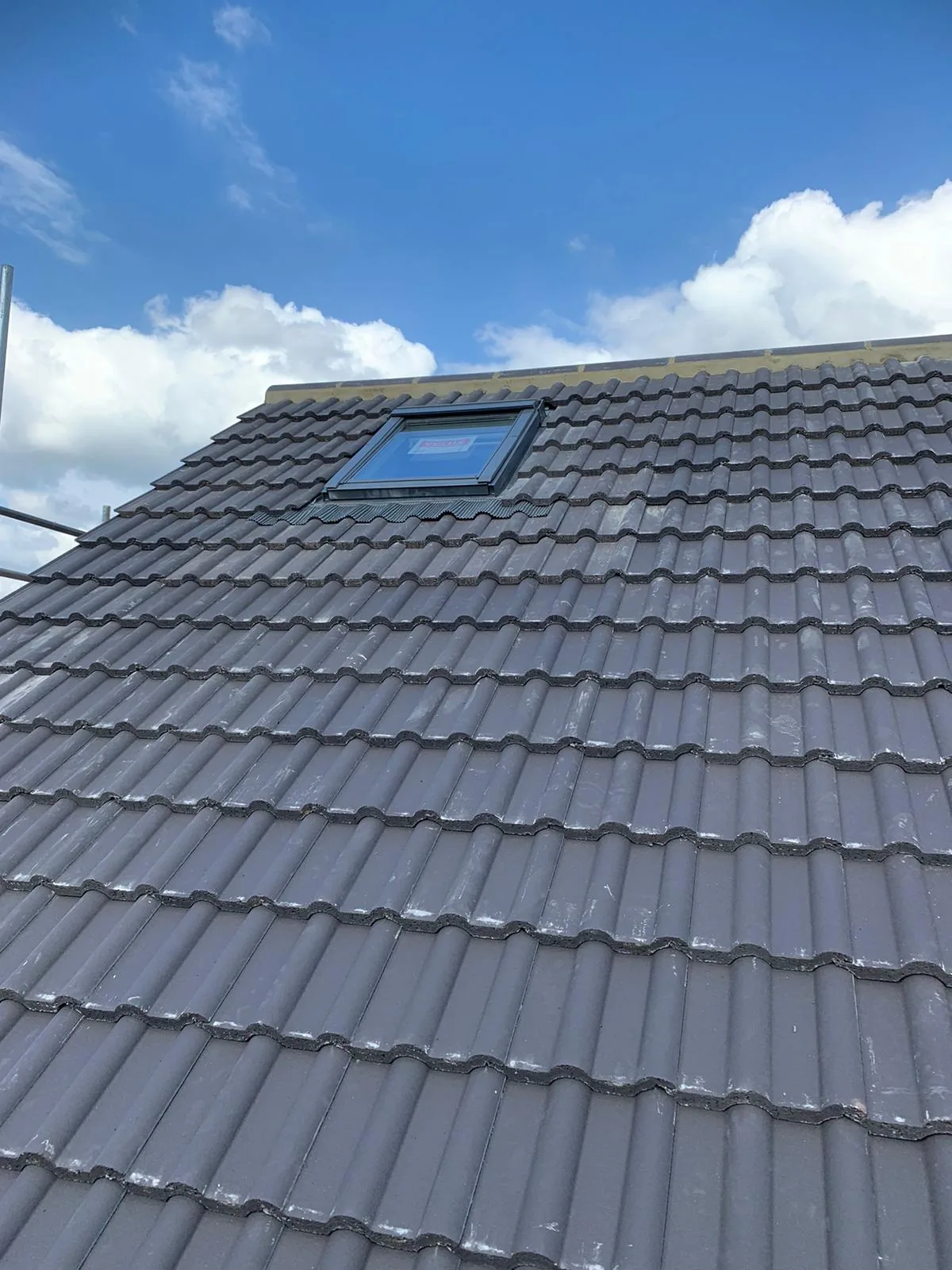
An overlay only works where the existing deck and insulation are dry and structurally sound underneath. We check this properly before recommending it, because a membrane laid over a wet or failing base just hides a problem rather than fixing it. Where the base is not sound, a full strip and replacement is the honest answer, even if it costs more upfront. We would rather tell you that at survey stage than after the invoice.
Single-Ply, Felt or Metal — Choosing the Right System for Your Roof
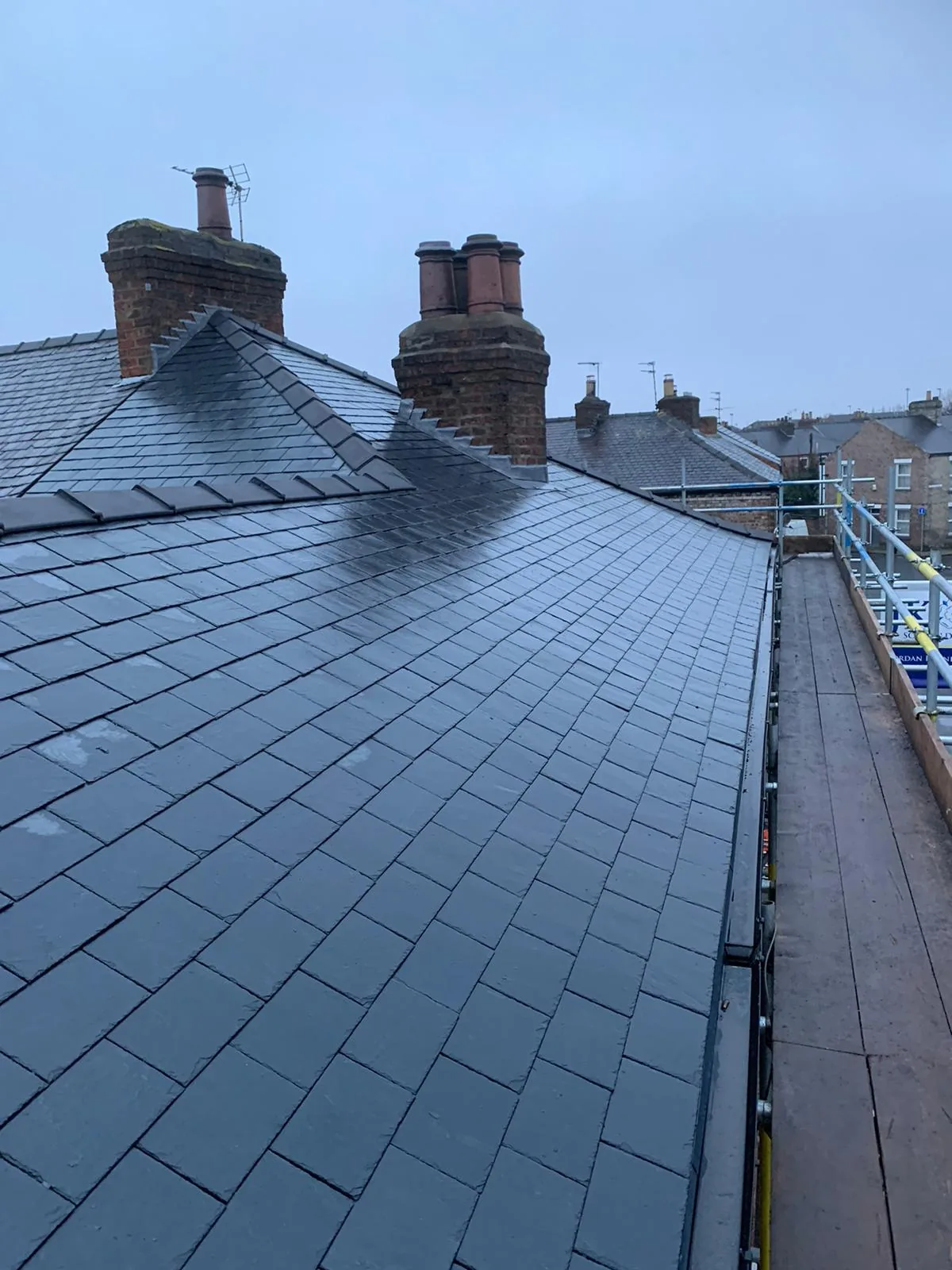
Three systems account for almost every commercial roof fitted around Hinckley and the surrounding business parks. Each suits a different building type, budget and expected lifespan.
| :-: | :-: | :-: | :-: |
| System | Typical cost (per m²) | Typical lifespan | Best for |
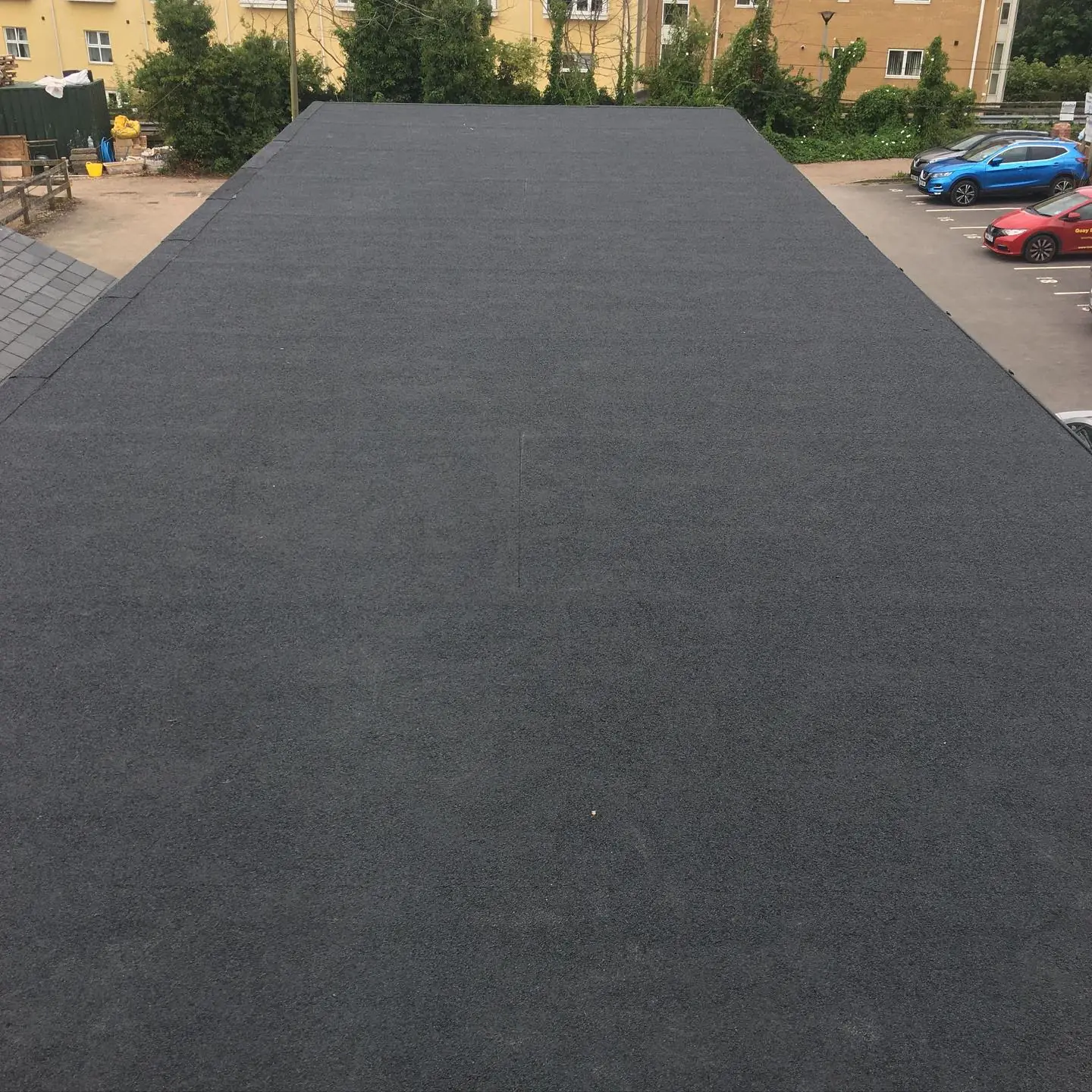
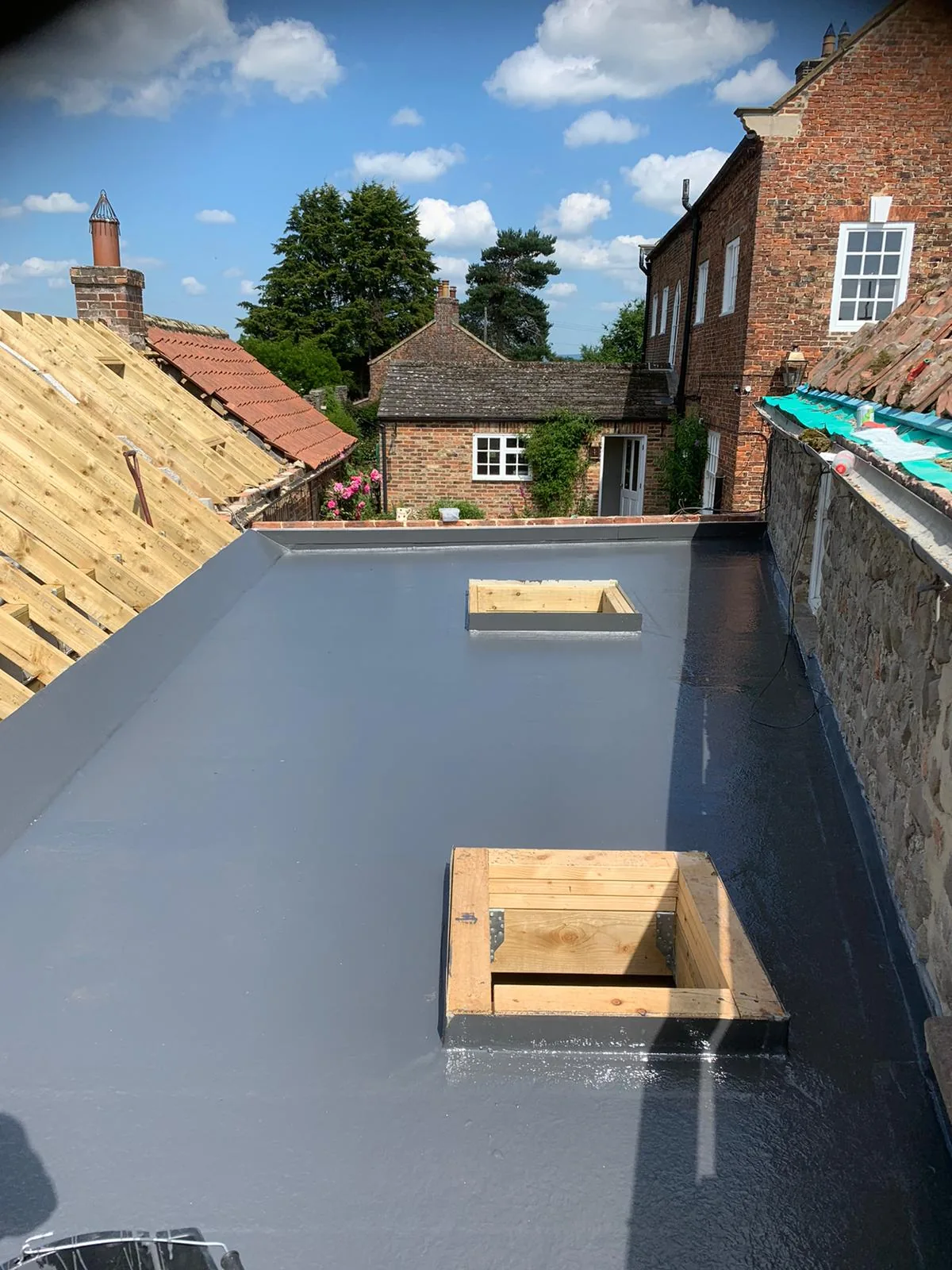
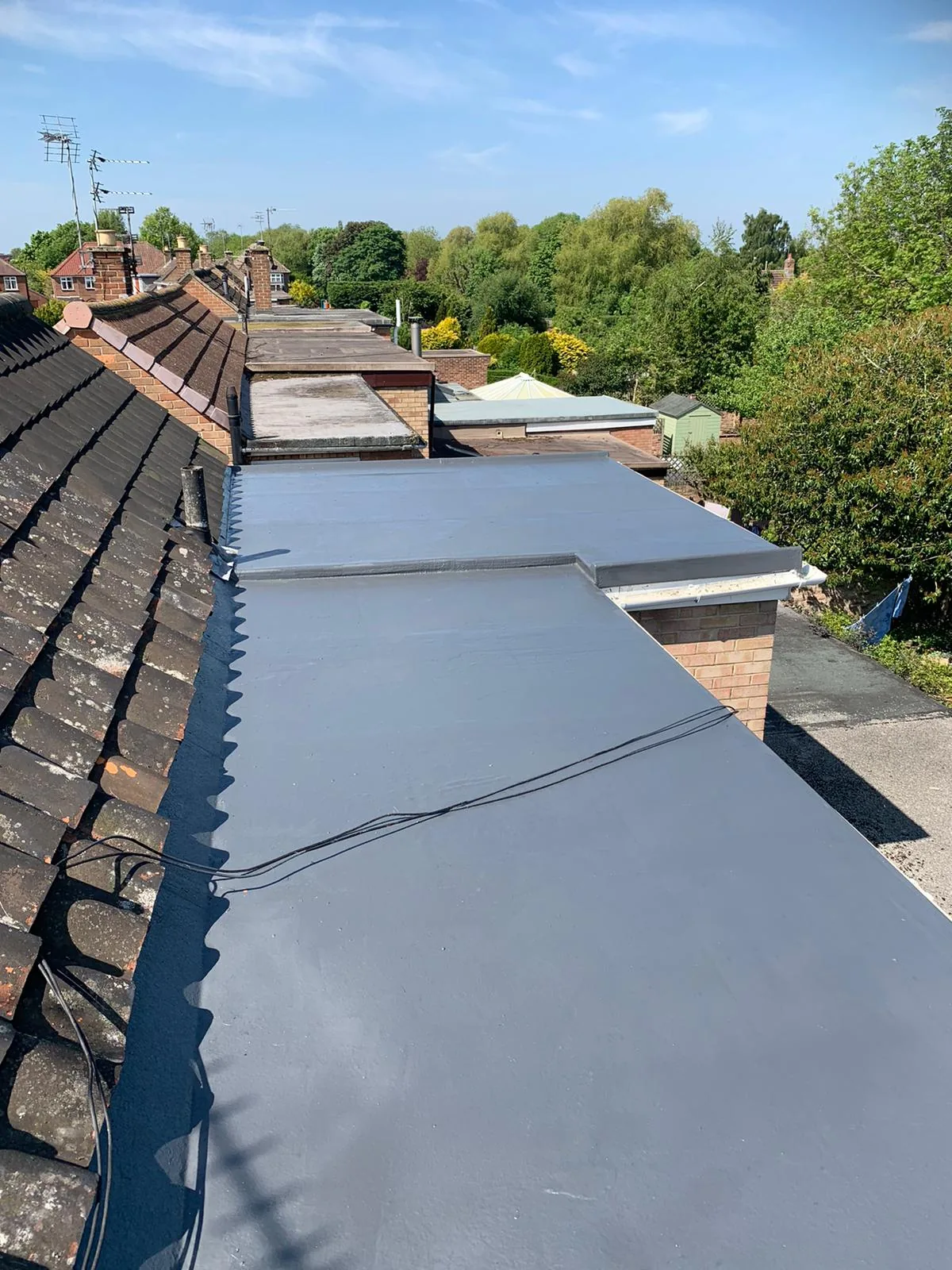
| Single-ply membrane (TPO/PVC) | £70–£110 | 25–30 years | Large flat roofs needing fast installation and reliable welded seams |
| Built-up felt (torch-on/pour and roll) | £60–£100 | 15–25 years | Budget-conscious re-roofs and smaller flat sections |
| Metal (standing seam/profiled sheet) | £50–£150 | 40–60+ years | Warehouses, industrial units, and owners planning to hold the building long-term |
In short: single-ply membrane suits larger flat roofs where speed and a watertight, low-maintenance finish matter most. Built-up felt remains the most affordable option, and a sound choice on smaller commercial sections with a tighter budget. Metal roofing costs more to fit in some specifications, but on a warehouse or industrial unit near the M69 it can easily outlast two felt roofs over the same period.
Daniel Whitmore, our project manager, fits all three systems and specialises in getting the detailing right where it matters most — upstands, outlets, and abutments, which is where the vast majority of commercial roof failures actually start. He will talk you through which system suits your building, your budget, and how long you plan to hold onto it, in plain English.
What Commercial Roofing Really Costs in Hinckley
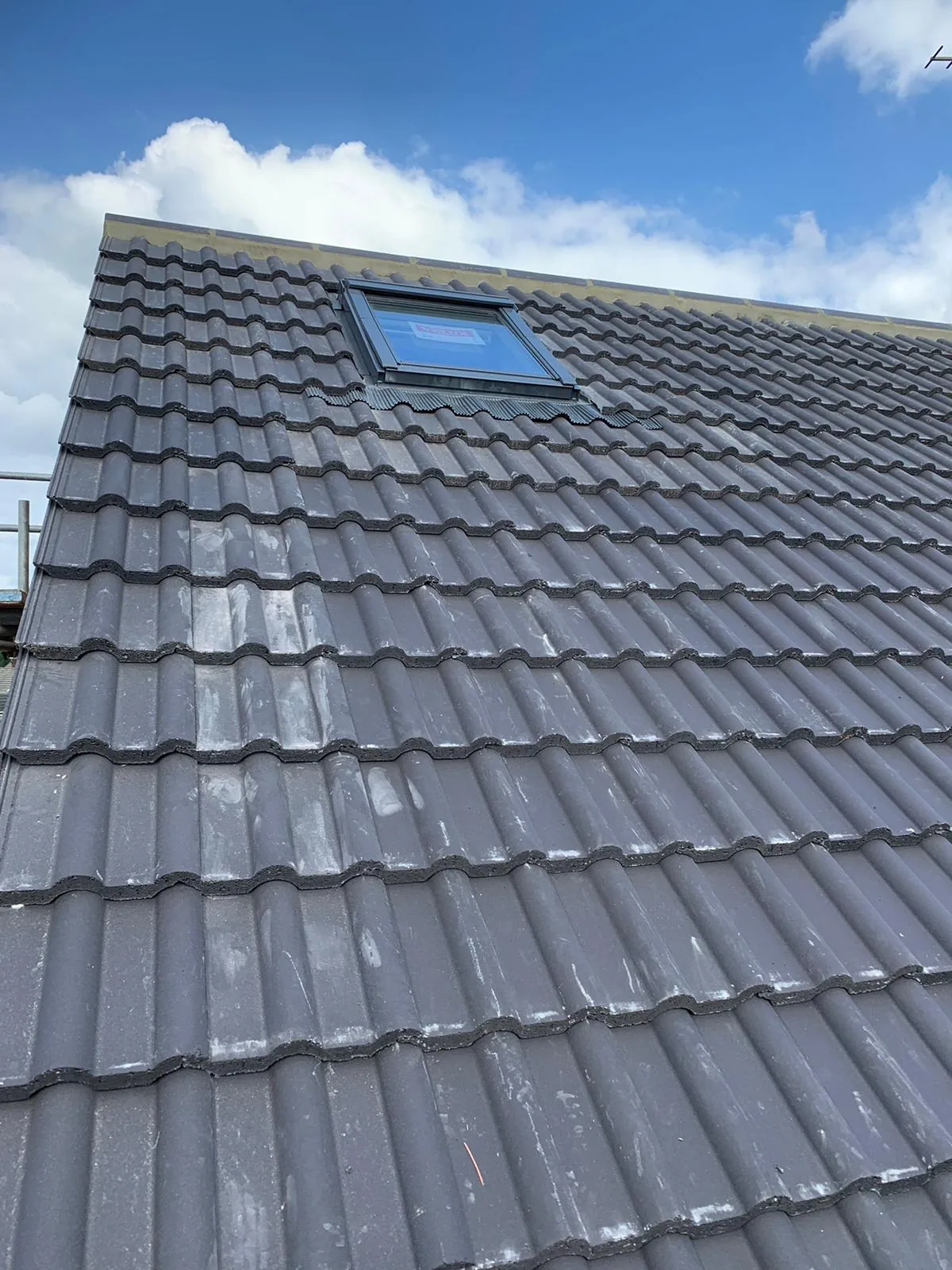
Cost depends on the system, the roof size, access, and the condition of the deck underneath. As a general guide, single-ply membrane runs £70–£110 per m², built-up felt £60–£100 per m², and metal roofing £50–£150 per m² depending on the profile and gauge specified. A small retail unit re-roof might total a few thousand pounds, while a full warehouse roof covering several hundred square metres runs into tens of thousands.
What pushes a price up or down:
These are general market ranges, not a quote for your building — two units the same size can price very differently once access, deck condition and insulation are factored in. A fixed price needs a survey.
- **Roof size and shape*— larger, simpler flat roofs cost less per m² than broken-up roofs with multiple upstands
- **Access*— a ground-level warehouse roof costs less to scaffold or sheet-load than a roof boxed in by other units
- **Deck condition*— rotten timber decking or corroded metal decking typically adds £600–£3,000 before the new covering goes on
- **Insulation upgrade*— bringing a roof up to current thermal standards adds cost but usually pays back through lower heating bills
- **Strip-out and disposal*— removing old felt or membrane and disposing of it responsibly usually adds £1,000–£3,000
- **Out-of-hours working*— evening or weekend working to protect trading hours can add a premium but often saves far more in lost business
Keeping Your Business Trading While the Work Gets Done
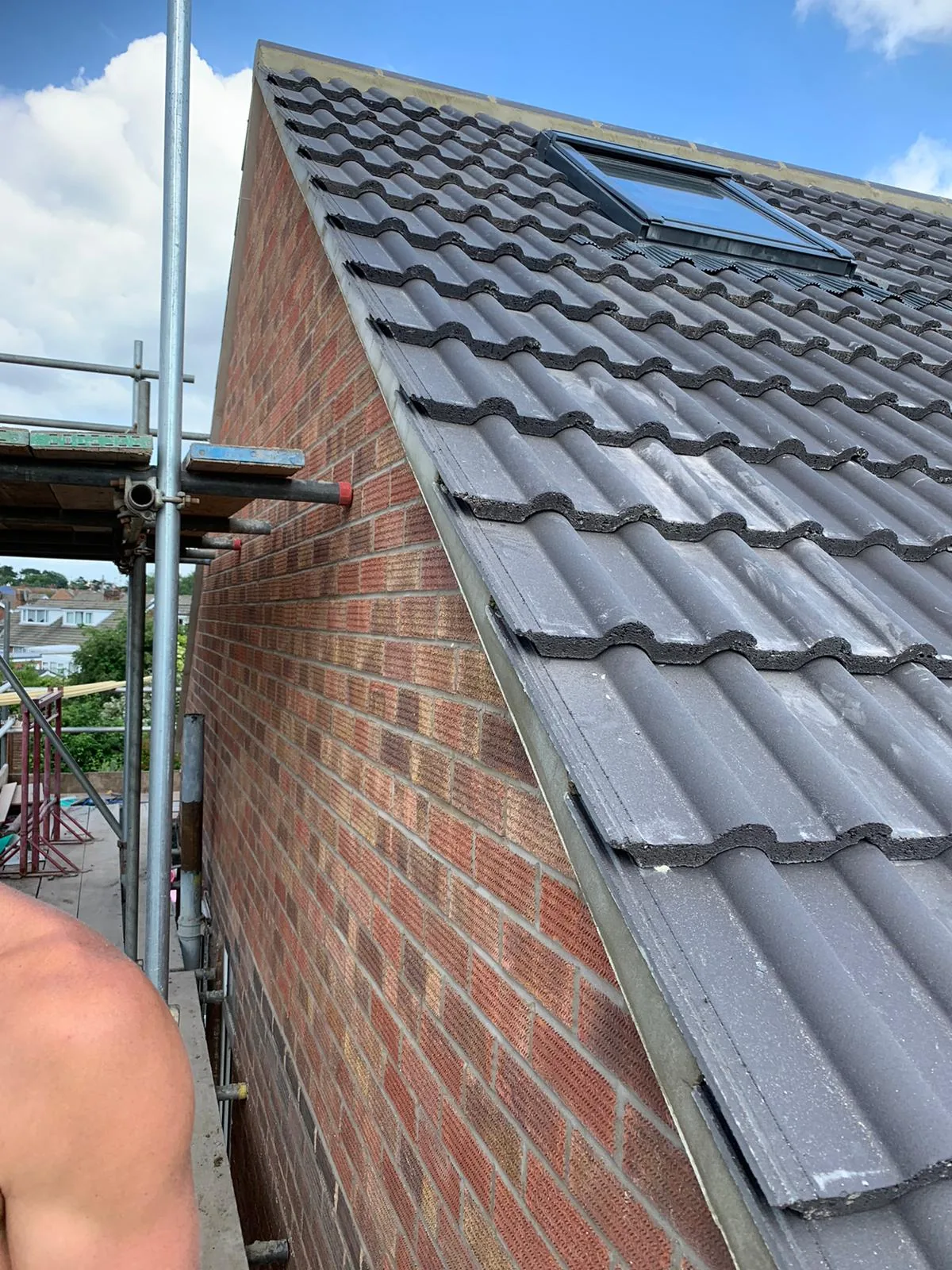
Closing a shop, workshop or warehouse for roofing work is rarely an option businesses around Hinckley can afford. We plan every commercial job in phases, working section by section across a roof rather than opening the whole thing up at once, so the building underneath stays weathertight and usable throughout.
For units along the M69 corridor and the business parks around Earl Shilton, Nuneaton and Bedworth, we regularly schedule the noisiest or most disruptive stages outside core trading hours. That might mean an early start before deliveries begin, or weekend working on a site that runs a five-day week. It costs a little more than a standard nine-to-five schedule, but it protects the thing that actually matters to you — trading days.
Stock, machinery and shop fittings below the working area get covered and protected as standard, and we agree access routes with you before scaffold or sheet loading begins. Where a job affects industrial or warehouse premises specifically, our industrial roofing installation service in Hinckley covers the larger-scale planning that a standard retail re-roof does not usually need.
Planned Maintenance That Stops Small Problems Becoming Big Bills
A commercial roof should be inspected at least twice a year, typically in spring and autumn, with an extra check after any serious storm. Regular inspection catches blocked outlets, lifting flashings and early membrane splits while they are still a cheap fix, rather than after they have already reached the ceiling tiles below.
On leased premises, responsibility for roof maintenance usually sits with whoever the lease says it sits with, and this is not always the landlord. Many commercial leases in Hinckley and the surrounding business parks place external repairing obligations on the tenant, so it is worth checking your lease before assuming it is someone else's problem. We are happy to provide a written condition report you can share with a landlord or letting agent either way.
Larger sites often benefit from a written roof asset management plan — a simple record of the roof's age, condition and expected remaining life, used to budget for repairs and eventual replacement rather than reacting to each leak as it happens. For independent, third-party verification of workmanship on larger metal cladding and roofing projects, bodies such as the Metal Cladding and Roofing Manufacturers Association's independent inspectors provide an added layer of quality assurance beyond a contractor's own sign-off.
Why Hinckley Businesses Choose Tate & Sons Roofing
You are not just buying a membrane or a roll of felt — you are buying whoever fits it and stands behind it afterwards. Daniel Whitmore, our project manager, runs the day-to-day on every commercial site and specialises in the detailing that decides whether a commercial roof lasts fifteen years or forty — leadwork, upstands, outlets and abutment junctions. He is part of the crew that turns up to do the work, not just the name on the quote.
Founder James Tate started out on the tools more than 20 years ago and still quotes the majority of jobs personally, so the person pricing your roof is the one who knows what it will take to fit it properly. Between us we bring 40 years of combined team experience, hold NVQ Level 2 and 3 qualifications in Roofing, and carry CSCS cards. Sophie Bennett, our office manager, keeps quotes, scheduling and aftercare running smoothly from the first phone call through to sign-off, so nothing slips between the drone survey and the finished roof. Read more about the people behind the work on our About Tate & Sons Roofing page.
Commercial Roofing Across Hinckley and the Surrounding Business Parks
We fit, repair and maintain commercial roofs across Hinckley and the wider borough. If your business is not listed below, call us anyway — there is a strong chance we already cover you.
- Hinckley (LE10)
- Burbage (LE10)
- Barwell (LE9)
- Earl Shilton (LE9)
- Sapcote (LE9)
- Sharnford (LE10)
- Wolvey (LE10)
- Higham on the Hill (CV13)
- Sutton Cheney (CV13)
- Stoke Golding (CV13)
- Market Bosworth (CV13)
- Nuneaton (CV10 / CV11)
- Bedworth (CV12)
Got Questions?
Your Commercial Roofing Questions, Answered Properly
How much does commercial roofing cost per square metre in Hinckley?
Costs vary by system: single-ply membrane typically runs £70–£110 per m², built-up felt £60–£100 per m², and metal roofing £50–£150 per m² depending on profile and gauge. Access, deck condition and insulation upgrades all move the final figure up or down. A small unit might total a few thousand pounds, while a full warehouse roof can run into tens of thousands. A free drone survey gives you an exact written price rather than a phone estimate.
How long does a commercial roof actually last?
It depends on the system and how well it is maintained. Built-up felt typically lasts 15–25 years, single-ply membrane 25–30 years, and a properly specified metal roof can run 40 to 60 years or more. Regular inspection and prompt small repairs add years to any of these figures, while a neglected roof of any material fails earlier than its rated lifespan suggests.
Which is better for a flat commercial roof — single-ply membrane or built-up felt?
Single-ply membrane generally outperforms built-up felt on larger flat roofs, thanks to fewer joints, welded seams, and a longer working life. Built-up felt costs less upfront and remains a sound choice on smaller sections or where budget is the deciding factor. The right answer depends on your roof's size, your budget, and how long you plan to keep the building.
Can commercial roofing work happen without closing the business?
Yes, in almost every case. We phase the work section by section, keep the building weathertight throughout, and can schedule the noisiest stages outside your core trading hours where needed. We agree access routes and protect stock or fittings below the working area before anything starts, so your business keeps running as normal.
How often should a commercial roof be inspected?
At least twice a year, usually in spring and autumn, with an extra check after any serious storm. Roofs carrying plant equipment, regular foot traffic, or with a history of leaks generally need closer, more frequent attention. Catching a blocked outlet or a lifted flashing early is always cheaper than dealing with the ceiling damage it eventually causes.
Can you overlay a new membrane over an existing commercial roof, or does it have to be stripped?
An overlay is possible where the existing deck and insulation underneath are dry and structurally sound, and it can save on strip-out and disposal costs. Where the base is wet, rotten or already failing, an overlay just traps the problem rather than solving it, and a full strip-back is the honest recommendation. We check the existing build-up properly at survey stage before advising either way.
Who is responsible for commercial roof maintenance — landlord or tenant?
It depends entirely on the lease. Many commercial leases place external repairing obligations, including the roof, on the tenant rather than the landlord, so it is worth checking your own agreement rather than assuming. We provide written condition reports that either party can use to clarify responsibility or support a service charge discussion.
Do the older Druid Quarter mill and factory buildings around Hinckley need specialist roofing?
Often, yes. Many of these buildings began as Victorian textile and hosiery mills, and their roofs have frequently been patched over decades rather than properly renewed. Original timber decking, older rooflights and non-standard spans mean a straightforward like-for-like membrane swap is not always appropriate. We survey these buildings individually before recommending a system.
Can work be scheduled around trading hours for units near the M69 and Hinckley's business parks?
Yes. We regularly plan early starts, evening finishes or weekend working for sites along the M69 corridor and the surrounding business parks, where a closed loading bay or a blocked yard during the working week has a real cost. It typically adds a modest premium to the schedule but protects the trading days that matter most to you.
Book Your Free Drone Roof Survey for Your Commercial Property Today
See exactly what your commercial roof needs before any work starts, with clear footage rather than guesswork from ground level. Every month a failing commercial roof goes unchecked, moisture works further into the deck and insulation beneath it, turning a straightforward repair into a full replacement and a longer closure. Book a free survey today, get a written price with nothing added later, and get your roof sorted without losing trading days you cannot get back.
Call the Hinckley team today on 01455 242595, or request your free drone survey online. We're already working across your area.
Book Your Free Drone Roof Survey
See exactly where your roof stands, with no obligation and no pressure. Call our Hinckley team or request your free drone survey today.
Get in Touch
Tate & Sons Roofing — Hinckley Office
10 Brosdale Drive, Hinckley, LE10 0SW
📞 01455 242595
✉️ [email protected]