
🏠 Trusted Local Roofers
Industrial Roof Repair Hinckley
A dripping industrial roof rarely stays a small problem. Water finds a seam, a lap joint or a rusted fixing, and within a few storms it is running down a wall onto stock, machinery or a production line. Industrial roof repair in Hinckley means dealing with large-span metal, fibre cement and built-up sheet roofs — the kind found on the trading estates off the A5 and the units backing onto the M69 — where a single failed sheet can affect a whole bay of floor space below it.
Tate & Sons Roofing repairs industrial roofs across Hinckley and the surrounding borough, from single-sheet leaks on a small workshop to multi-bay corrosion on a large warehouse near the Druid Quarter trading estate. This page covers how to spot a roof in trouble, the real difference between repair, overcladding and replacement, what a repair day looks like, and honest UK cost ranges. We are a full roofing contractor across Hinckley, so if your repair turns out to need more than a patch, the same crew can take it further.
- Fully Insured
- 10-Year Guarantee
- 5-Star Rated
Quick Free Estimate - No Obligation
We're not just roofers – we're your neighbours.
Fully Insured • Response within 15 mins
🔒 Your details are safe with us. No spam, ever.
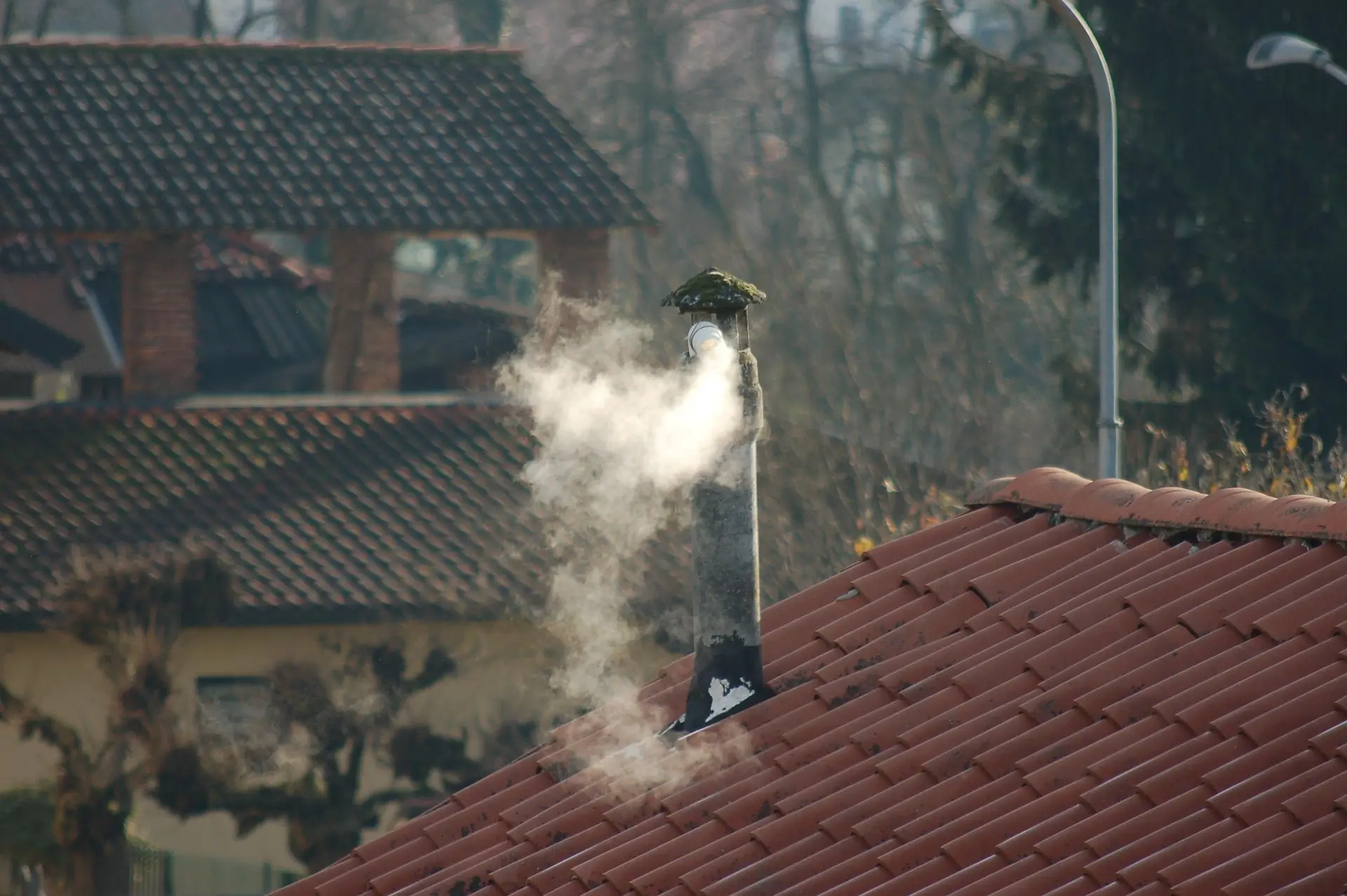
Spot the Warning Signs Before a Leak Shuts Down Your Site
Industrial roofs give warning before they fail. The trouble is that a large sheet roof hides its problems well from ground level, and staff underneath usually only notice once water is already coming through.
Look out for these on your next walk around the site:
- Rust streaks running down a sheet from a fixing point
- Sheets that have gone wavy or dished between the purlins, known as oil-canning
- Damp patches or drip marks on the underside of the roof or on stock below
- Daylight showing through side laps or around rooflights
- Gutters that overflow even in ordinary rain, not just storms
- Flashings pulling away around vents, ductwork or a raised loading bay door
- A musty smell in a store area that only shows up after wet weather
A profiled metal or fibre cement roof can run for 30 to 40 years with sensible upkeep, but corrosion at the laps and fixings usually starts long before that. Left alone, a small rust patch spreads under the next sheet and the repair area doubles in size. A free drone survey shows the whole roof from above, including the ridge and valley gutters a ground-level look can never reach, so you know the real scale of the problem before anyone commits to a price.
Repair, Overclad or Replace — Which Route Actually Saves You Money
Localised corrosion, a handful of failed sheets, or a leaking lap joint on an otherwise sound roof is usually a straightforward repair. A roof with corrosion spread across large areas, failing insulation, or an asbestos cement covering nearing the end of its life needs a bigger decision — patch it again, overclad it, or strip it back and replace it.
Here is how the three main options compare on an industrial roof:
We check the whole roof by drone before recommending any of the three, so the option we suggest matches the roof you actually have, not a default answer.
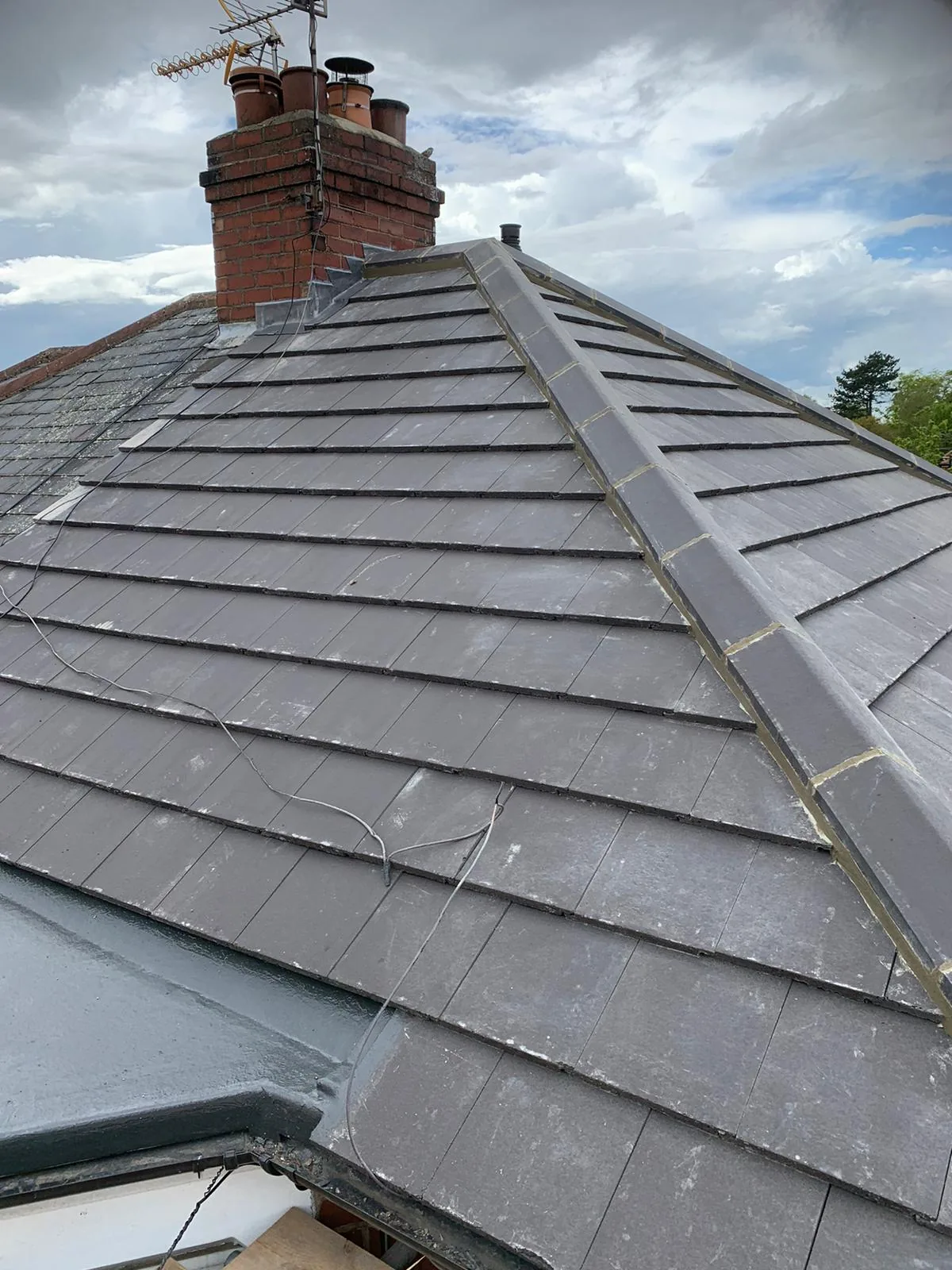
Overcladding fits a new insulated system over the existing roof rather than stripping it off, which keeps the building watertight and often lets work inside carry on with little disruption. It suits a roof that is structurally sound but tired, cold, or coated in ageing asbestos cement sheeting that is safer left undisturbed and sealed over than removed. Full replacement makes more sense where the structure itself has failed, or where you want a genuine reset on insulation, daylighting and appearance. If your building needs a new industrial roof from the ground up rather than a repair to an existing one, our industrial roofing installation service covers that larger project.
| :-: | :-: | :-: | :-: |
| Option | Typical Cost | What It Involves | Best For |
| Sheet Replacement | £400–£8,000 depending on area | Removing and replacing failed sheets, flashings and fixings, matching the existing profile | Localised corrosion or storm damage on an otherwise sound roof |
| Overcladding | £60–£90 per m² | New insulated panels fitted directly over the existing roof, no strip-out needed | Tired but structurally sound roofs, including ageing asbestos cement sheeting |
| Roof Coating / Encapsulation | £25–£90 per m² | A liquid-applied membrane sealing the whole roof surface, including laps and fixings | Sound roofs needing a watertight seal without the cost of new sheeting |
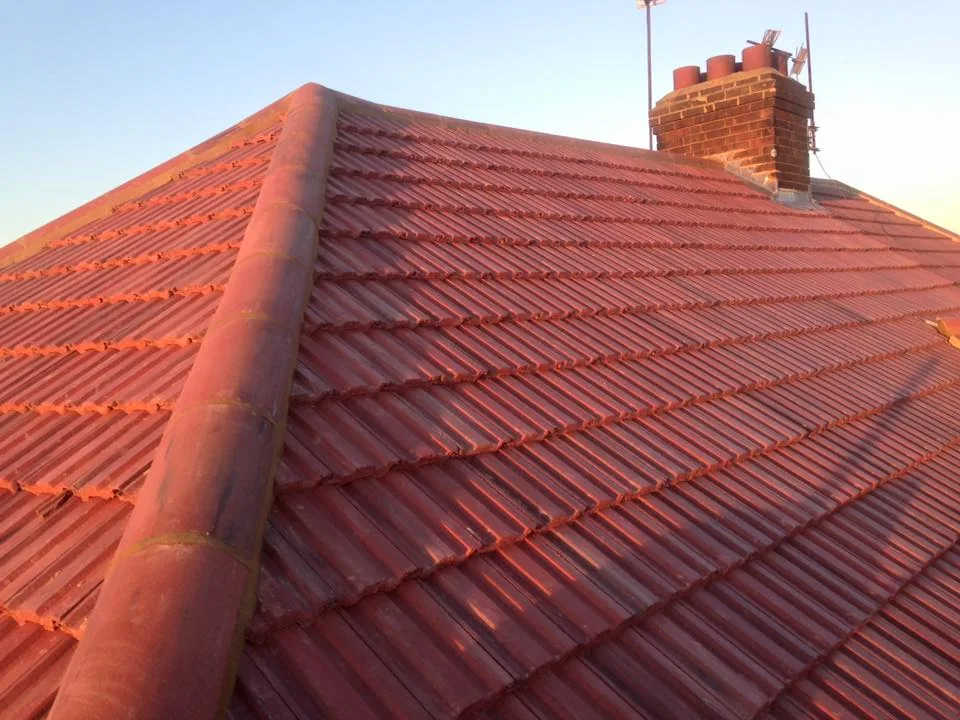
What Drives the Cost of Industrial Roof Repair in Hinckley
As a general guide, a small repair covering a handful of sheets or a single leak typically runs £400–£1,500. A moderate repair across several bays, including flashings and fixings, usually costs £2,500–£8,000. Larger corrosion repairs spanning a big warehouse roof can run well beyond that once access, scaffolding and asbestos-safe working are factored in. Where overcladding or full coating suits the roof better than patch repairs, expect £25–£90 per square metre depending on the system specified.
What pushes the price up or down:
- **Roof height and access*— a single-storey unit costs far less to access than a tall multi-span warehouse
- **Sheet profile*— matching an older or discontinued profile takes longer to source and fit
- **Asbestos content*— older fibre cement sheeting needs licensed, controlled handling that adds cost
- **Extent of corrosion*— rust hidden under laps often means replacing more than the visible damage
- **Insulation upgrade*— bringing an old roof up to current thermal standards typically adds £15–£40 per m²
- **Down time tolerance*— working around live production or storage can extend the programme and the price
Labour on commercial and industrial roofs is usually charged per square metre rather than by the day, with specialist rates commonly £45–£55 per hour on top of materials and access equipment. These are general market ranges, not a quote for your building — a fixed price needs a survey.
Get Ready for Repair Day Without Stopping Production
Most industrial roof repairs need less shutdown time than site managers expect. We plan around your working hours wherever the roof allows it, scheduling noisy or disruptive stages for quieter periods and keeping access equipment clear of loading bays and fire routes.
Before repair day, we agree a few things with you:
- Which areas of the building need to stay clear below the working zone
- Whether the repair needs scaffolding, a cherry picker, or roof-edge protection alone
- Any asbestos survey or method statement required before sheets are disturbed
- A realistic weather allowance, since wind and rain both affect roof access
- Fire alarm or sprinkler isolation if hot works are needed near the roof line
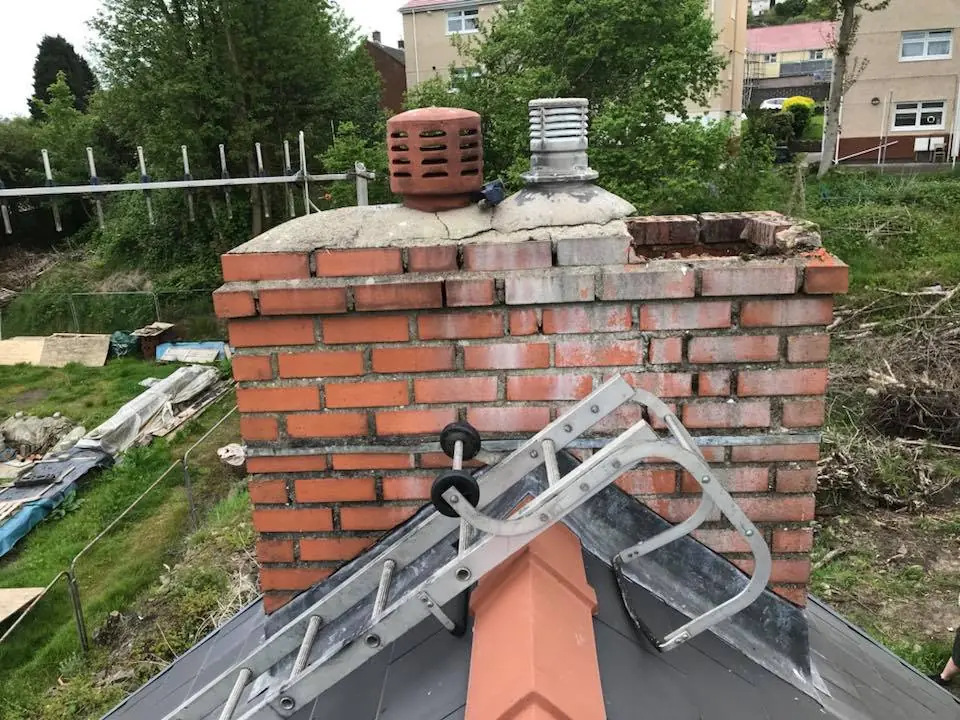
Getting this agreed up front means fewer surprises once our team is on site, and it keeps your staff and stock safe while the work is underway.
What Happens on Repair Day, Sheet by Sheet
An industrial sheet repair follows a consistent order, whether it covers three sheets or thirty:
- Access equipment and edge protection set up, site made safe
- Failed sheets, flashings and fixings identified and marked
- Damaged sections removed, checking the purlins underneath for corrosion
- New sheeting fitted, matched to the existing profile and colour where possible
- Laps, ridges and flashings sealed and fixed to current standards
- Gutters and valleys cleared and checked for correct fall
- Site cleared and the repair checked before we leave
A small repair of a handful of sheets is often finished in a single day. A multi-bay repair typically takes 2 to 5 days depending on scale and access. Weather has the final say on a large open roof — wind especially limits safe working at height, so we build a realistic allowance into every programme rather than a date designed to win the job.
Materials That Actually Hold Up — and the Ones to Watch For
Not every replacement sheet or fixing on the market meets the standard it claims to. The industry has seen a real problem with substandard timber battens turning up on sites carrying fake British Standard marks, flagged in a Construction Enquirer report on the roof failure alert — a reminder that cheap materials on a roof repair can cost far more later than they save at the quote stage. We fit branded, traceable sheeting and fixings rated for the wind loads industrial roofs actually see, not the cheapest match available.
Where a roof suits a coating rather than new sheets, the same rule applies. A budget coating looks similar to a proper silicone or acrylic system on paper, but the lifespan and warranty are not the same. If sealing rather than replacing suits your roof, our roof coatings and sealing service uses systems specified for the job, not a one-size-fits-all product.
Keep Your Roof Watertight for Years After the Repair
A good repair buys years, but a little attention keeps an industrial roof performing well beyond that.
- Clear gutters and valley gutters twice a year, more often near trees
- Walk the roof, or book a drone check, after any severe storm
- Watch for rust streaks starting at fixing points and deal with them early
- Keep an eye on flashings around rooflights, vents and ductwork
- Book a free drone survey every couple of years to catch problems while they are still cheap to fix
None of this needs a specialist visit on its own — just a regular look, and a call to us if something seems off. Catching a small patch of corrosion early is always cheaper than replacing a whole bay later.
Why Hinckley Businesses Call Tate & Sons First
You are not just buying sheeting and sealant — you are buying whoever fits them at height, on a live industrial site, without cutting corners. Daniel Whitmore, our project manager, runs the day-to-day on site and handles the leadwork and flashing detail that decide whether a large sheet roof actually stays dry. He specialises in the kind of large-span repair and re-cladding work that a straightforward domestic roofer rarely sees.
Founder James Tate started out on the tools more than 20 years ago and still quotes the majority of jobs personally, including the larger industrial sites, so the person pricing your roof is the one standing behind the finished work. Between us we bring 40 years of combined team experience, hold NVQ Level 2 and 3 qualifications in Roofing, and carry CSCS cards for site access. Sophie Bennett, our office manager, keeps quotes, scheduling and aftercare running smoothly, so a repair booked around your production schedule actually happens on the day agreed. Read more about the people behind the work on our About Tate & Sons Roofing page.
Areas We Serve Across Hinckley and the Surrounding Trading Estates
We repair industrial roofs across Hinckley and the surrounding borough. If your site is not on the list below, call us anyway — there is a strong chance we already cover you.
- Hinckley (LE10)
- Burbage (LE10)
- Barwell (LE9)
- Earl Shilton (LE9)
- Sapcote (LE9)
- Sharnford (LE10)
- Wolvey (LE10)
- Higham on the Hill (CV13)
- Sutton Cheney (CV13)
- Stoke Golding (CV13)
- Market Bosworth (CV13)
- Nuneaton (CV10 / CV11)
- Bedworth (CV12)
Got Questions?
Your Industrial Roof Repair Questions, Answered Properly
How much does industrial roof repair cost in Hinckley?
A small repair covering a handful of sheets or a single leak typically costs £400–£1,500, while a moderate repair across several bays usually runs £2,500–£8,000. Where overcladding or a full coating suits the roof better than patching, expect £25–£90 per square metre depending on the system. Access, sheet profile, and any asbestos content all affect the final figure. A fixed price always needs a survey first.
What are the warning signs my industrial roof needs repair?
Rust streaks below fixing points, wavy or dished sheets, damp patches on the underside of the roof, and gutters that overflow in ordinary rain are the clearest signs. A musty smell in a store area after wet weather is another common giveaway. Left alone, small corrosion patches spread under the next sheet and turn a cheap repair into a much larger one. A free drone survey shows the full extent before you commit to any work.
Can you repair an industrial roof without stopping work inside the building?
In most cases, yes. We plan access and noisy stages around your working hours wherever the roof allows it, and keep equipment clear of loading bays and fire routes. Overcladding in particular lets work inside continue with little disruption, since the existing roof stays in place while the new system goes over it. We agree the working plan with you before repair day, not on the morning it starts.
What's the difference between overcladding and full roof replacement?
Overcladding fits a new insulated system directly over your existing roof, so there is no strip-out and the building stays weathertight throughout. Full replacement strips the old covering back and fits a new roof from the structure up. Overcladding suits a roof that is structurally sound but tired, cold, or covered in older asbestos cement sheeting best left undisturbed. Replacement suits a roof with structural failure or where a complete reset is worth the extra cost.
How long does an industrial roof repair take?
A small repair of a handful of sheets is often finished in a single day. A multi-bay repair typically takes 2 to 5 days depending on scale and access, and a full overcladding project runs longer again. Wind limits safe working at height more than any other weather factor, so we build a realistic allowance into every programme rather than an optimistic one.
Can corroded or wavy metal roof sheets be repaired, or do they need replacing?
Light surface rust can sometimes be treated and coated, but once corrosion has eaten through the metal or a sheet has visibly dished between the purlins, known as oil-canning, replacement is the safer route. A distorted sheet has usually already lost some of its strength and its ability to shed water correctly at the laps. We check each affected sheet individually rather than assuming a whole bay needs replacing when only some of it does.
Do industrial units near the M69 need extra wind-fixing checks during a repair?
Yes, sites close to the M69 corridor and the more exposed trading estates around Hinckley take a harder, more consistent wind load than sheltered town-centre buildings. We check fixing spacing and specification against the roof's actual exposure during every repair, not just a standard fixing pattern, since under-specified fixings are a common cause of repeat sheet failure on exposed sites.
Is it safe to repair the older asbestos-cement roofs common on Hinckley's trading estates?
Yes, provided the work follows the correct controlled procedures. Many older industrial units around Hinckley still carry original asbestos cement sheeting, and it is often safer left in place and sealed or overclad than disturbed and removed. We survey for asbestos content before any repair, and where sheets do need replacing, that work follows licensed, controlled handling throughout.
Will my insurance cover industrial roof repair after storm damage?
Often, yes, particularly where damage follows a specific storm event rather than gradual wear. Insurers usually want photographic evidence, a written report, and a clear cause of damage before agreeing a claim. Our drone survey footage gives you dated evidence of the damage, which insurers generally accept more readily than a description alone. Always report storm damage to your insurer promptly, before temporary repairs go ahead.
Book Your Free Drone Roof Survey Today
See exactly what your industrial roof needs before any work starts, and before that small leak spreads to the next bay. Every month a corroded sheet or failed flashing is left alone, water gets further into the purlins beneath it, and a repair that could have cost a few hundred pounds turns into a full bay replacement. A quick, free drone survey today tells you exactly where you stand, with footage rather than guesswork.
Call the Hinckley team today on 01455 242595, or request your free drone survey online. We're already working across your area.
Book Your Free Drone Roof Survey
See exactly where your roof stands, with no obligation and no pressure. Call our Hinckley team or request your free drone survey today.
Get in Touch
Tate & Sons Roofing — Hinckley Office
10 Brosdale Drive, Hinckley, LE10 0SW
📞 01455 242595
✉️ [email protected]