
🏠 Trusted Local Roofers
Dry Ridge System Hinckley
If mortar keeps crumbling off your ridge line, a dry ridge system in Hinckley fixes the cause, not just the symptom. Instead of sand and cement holding your ridge tiles in place, a dry ridge system uses mechanical clips, brackets and a ventilated ridge roll. Nothing left to crack, nothing left to wash out in a downpour.
This page walks you through how a dry ridge system works, what it costs in Hinckley, how it compares with a traditional mortar ridge, and when it is the right call over a smaller repair. Tate & Sons Roofing fits dry ridge systems across Hinckley and the wider borough, as part of the wider work we do as a roofing contractor across Hinckley. Start with a free drone survey, so any advice is based on your actual roof, not a guess from the pavement.
- Fully Insured
- 10-Year Guarantee
- 5-Star Rated
Quick Free Estimate - No Obligation
We're not just roofers – we're your neighbours.
Fully Insured • Response within 15 mins
🔒 Your details are safe with us. No spam, ever.
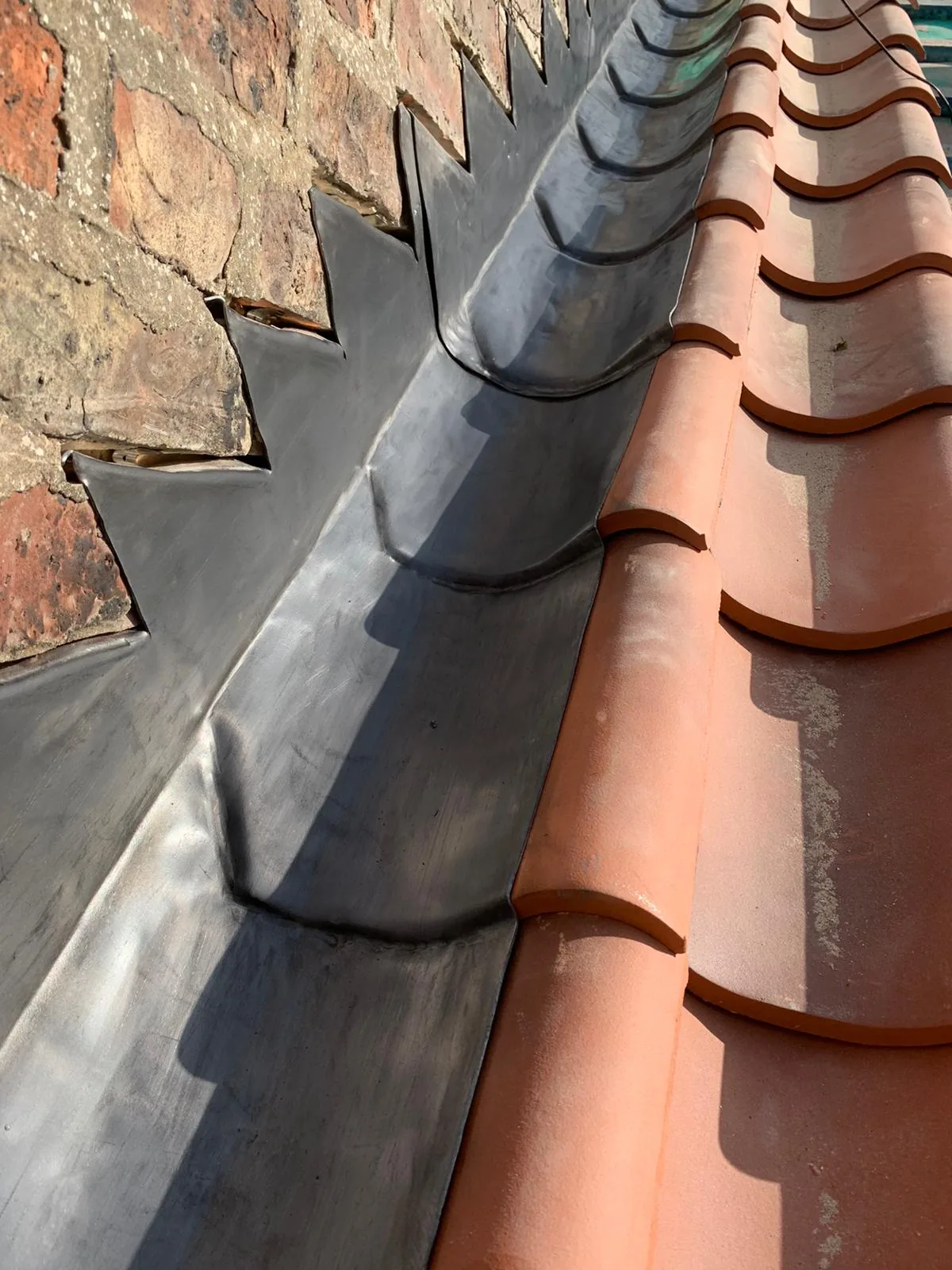
Know the Signs Your Mortar Ridge Is on Borrowed Time
A mortar ridge rarely fails without warning. The clues are just easy to miss unless you know where to look.
Watch for these signs on any Hinckley roof:
- Hairline cracks running along the mortar between ridge tiles
- Grey or sandy debris collecting in the gutters below the ridge
- A ridge tile that rocks slightly when the wind gusts
- Gaps opening between the ridge and the tiles either side
- A ridge tile missing entirely after a storm
- Repeated repointing on the same stretch of ridge, year after year
Homes along the A5 and old Watling Street corridor take a harder battering than most, and the older mortar-ridge terraces around Higham on the Hill show it first. Once mortar starts to go, it rarely stops on its own. A free drone survey shows exactly where your ridge stands, without anyone standing on the tiles to find out.
Dry Ridge or Rebedding — Which Upgrade Actually Solves the Problem
A single cracked ridge tile on an otherwise sound roof is usually a straightforward repair. If your ridge only needs one or two sections rebedded and the rest is holding firm, our ridge tile repairs and rebedding service deals with that directly, at repair prices, not upgrade prices.
A dry ridge system makes more sense when the mortar is failing along most of the ridge, when you are having a new roof fitted anyway, or when you are tired of calling someone out after every storm. We see this choice most often on the older terraced streets around Earl Shilton and Barwell, where mortar ridges laid decades ago are now reaching the end of their working life together, not one tile at a time.
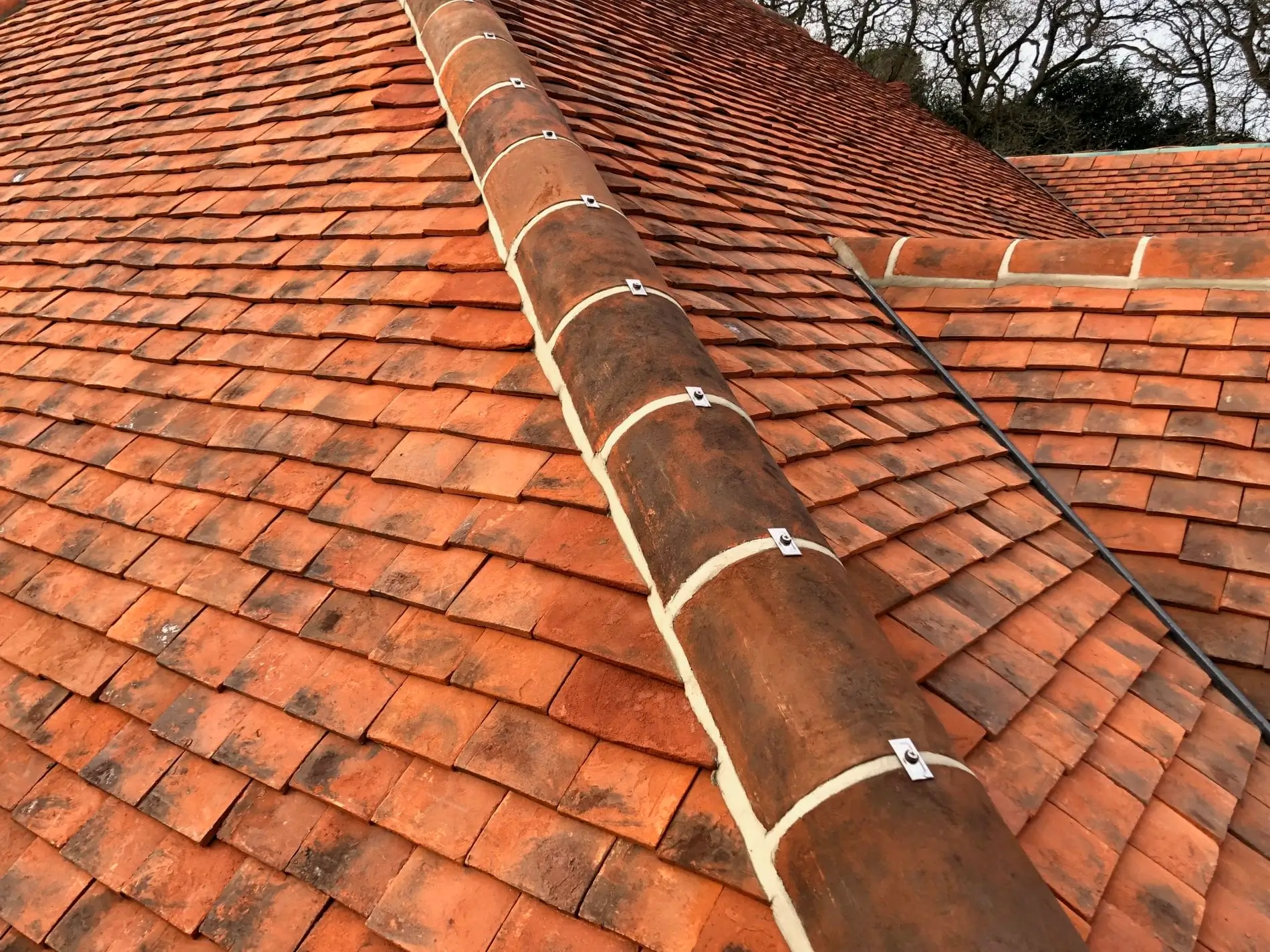
Swapping to a mechanically fixed system once, rather than rebedding the same stretch every few years, usually costs less over the life of the roof. It also brings your ridge into line with current British Standards, which matters if you are selling the property later.
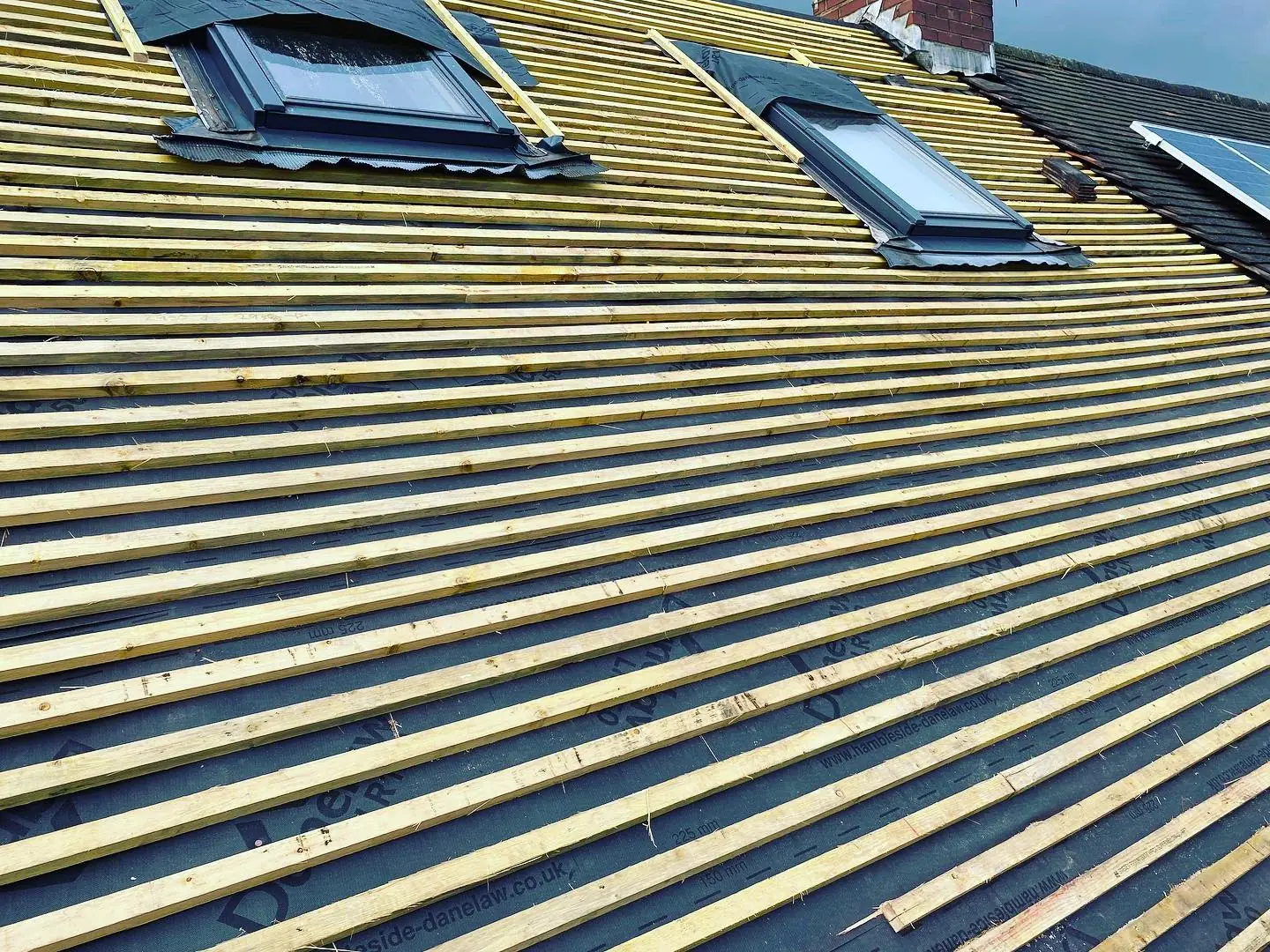
How We Fit a Dry Ridge System, Start to Finish
Every dry ridge installation follows the same order on site:
- Old ridge tiles lifted and the failed mortar bed cleared away
- Ridge line and battens checked, with any rot repaired first
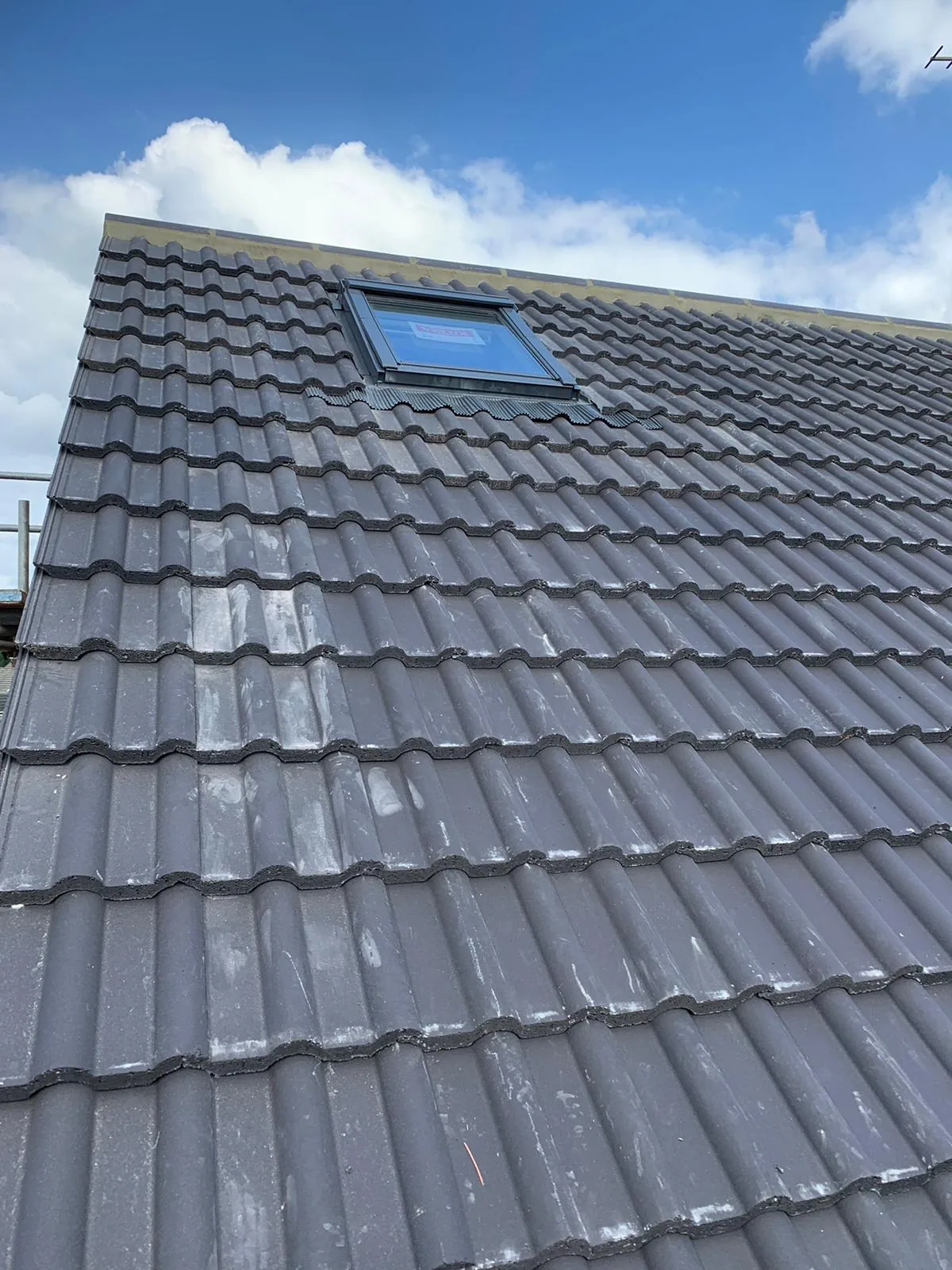
- A ventilated dry ridge roll fitted along the full ridge length
- Felt trimmed back at the ridge to let the roof space breathe
- Ridge tiles refitted using mechanical clips, unions and brackets
- End caps and hip junctions finished off and fixed securely
- Ridge checked for a firm, rattle-free fit before we leave
A standard semi-detached roof in Hinckley usually takes a single day once scaffold or a tower is up. Larger or hipped roofs with more ridge line, or ones combined with a dry verge upgrade, can take one to two days. If you are also updating your verges at the same time, our dry verge system service pairs naturally with dry ridge work, since both remove mortar from the roof for good.
What a Dry Ridge System Costs in Hinckley
Dry ridge installation is typically priced per linear metre of ridge, supplied and fitted. As a general guide, expect to pay somewhere around £40 to £70 per metre, depending on the tile profile and access to the roof.
For a typical semi-detached roof in Hinckley, with one straight ridge run, total cost usually lands between £500 and £1,200. Larger, hipped, or more complex roofs with extra ridge and hip junctions can run £1,200 to £2,500 or more.
What moves the price up or down:
These are general market ranges, not a quote for your roof. Two roofs the same size can price differently once ridge length, access and batten condition are factored in. A fixed price needs a survey.
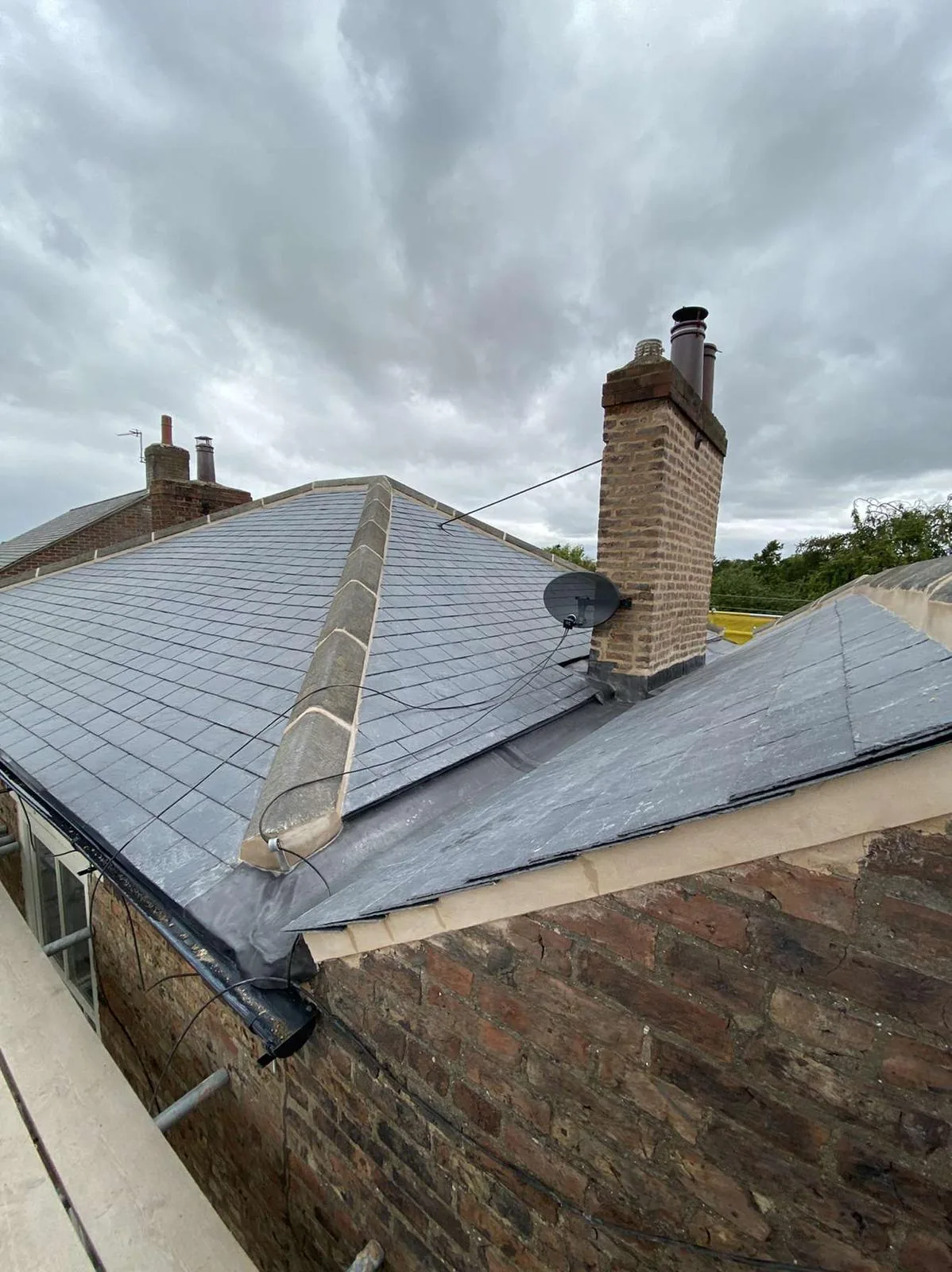
- **Ridge length and roof shape*— hips and multiple ridge runs add fittings and time
- **Access*— a roof that already has scaffold up costs less than one needing its own
- **Condition of the battens beneath*— rotten timber typically adds £150–£400 to put right
- **Old mortar removal*— stripping heavily bedded mortar usually adds £150–£300
- **Tile profile*— matching an older or unusual tile can cost more than a standard profile
Dry Ridge vs Mortar Ridge — See the Difference Side by Side
Both systems keep your ridge tiles in place, but they age very differently once the weather gets to work on them.
| :-: | :-: | :-: |
| Comparison | Dry Ridge System | Mortar Bedded Ridge |
| Typical cost | £40–£70 per metre fitted | £25–£45 per metre fitted |
| Typical lifespan | 25–30+ years, little to no upkeep | 10–15 years before repointing or rebedding is needed |
| Best for | New roofs, full re-roofs, exposed sites, BS 5534 compliance | Like-for-like repairs, listed buildings, conservation area properties |
Mortar costs less to fit on day one, which is why it was standard for decades. It also needs no cement bed to crack, no repointing every few winters, and holds up better on the exposed stretches near the A5.
Built to BS 5534 — The Standard Behind Every Dry Ridge We Fit
UK building regulations now expect ridge and hip tiles to be mechanically fixed on new roofs and full re-roofs, under British Standard BS 5534. A dry ridge system meets that standard as a matter of course, where a mortar-only ridge does not.
The detailed performance rules for dry-fix products themselves sit under BS 8612, which sets out wind resistance, rain resistance and ventilation requirements. The Roof Tile Association's introduction to dry-fix roofing covers what these standards require in plain terms, and it is worth a read if you want the detail behind the fitting.
Repairs to an existing roof that never had dry ridge fitted are usually exempt from the mechanical fixing rule, and listed buildings often are too. That is one reason we check a Hinckley property's status before recommending dry ridge over a like-for-like mortar repair.
Keep a New Dry Ridge Performing for Decades
A dry ridge system needs far less looking after than a mortar one, but it still benefits from an occasional check.
- Look along the ridge after any severe storm for a displaced tile or cap
- Keep gutters clear so water sheds cleanly away from the ridge line down below
- Listen for rattling in high wind, which usually means a clip has worked loose
- Book a free drone survey every few years to check the fixings from above
None of this needs specialist tools, just a regular look and a call to us if something seems off. Roofs out toward Higham on the Hill and along the A5 corridor take the hardest test of all, so a slightly closer eye on those properties pays off.
Why Hinckley Homeowners Trust Tate & Sons With Their Ridge
Daniel Whitmore, our project manager and lead roofer, fits and oversees the dry ridge systems we install across Hinckley. He specialises in leadwork and heritage tile detailing on the area's older roofs, so he knows exactly how a dry ridge system needs to be handled on a Victorian terrace as well as a modern semi.
Founder James Tate started out on the tools more than 20 years ago and still quotes the majority of jobs personally, so the person weighing up your ridge is the one standing behind the finished work. Between us we bring 40 years of combined team experience, hold NVQ Level 2 and 3 qualifications in Roofing, and carry CSCS cards. Sophie Bennett, our office manager, keeps quotes and scheduling running smoothly from the first call through to the finished job. Read more about the people behind the work on our About Tate & Sons Roofing page.
Areas We Serve Across Hinckley and Bosworth Country
We fit dry ridge systems across Hinckley and the surrounding borough. If your area is not on the list below, call us anyway — there is a strong chance we already cover you.
- Hinckley (LE10)
- Burbage (LE10)
- Barwell (LE9)
- Earl Shilton (LE9)
- Sapcote (LE9)
- Sharnford (LE10)
- Wolvey (LE10)
- Higham on the Hill (CV13)
- Sutton Cheney (CV13)
- Stoke Golding (CV13)
- Market Bosworth (CV13)
- Nuneaton (CV10 / CV11)
- Bedworth (CV12)
Got Questions?
Your Dry Ridge System Questions, Answered Properly
What is a dry ridge system, and how is it different from a mortar ridge?
A dry ridge system holds ridge tiles in place with mechanical clips, brackets and a ventilated ridge roll, instead of a bed of sand and cement. There is no mortar to crack, crumble or wash out over time. It also lets the roof space breathe, which a solid mortar bed does not. Most new roofs and full re-roofs in the UK now use dry ridge as standard.
How much does a dry ridge system cost to install in Hinckley?
Most dry ridge installations cost around £40 to £70 per linear metre, supplied and fitted. A typical semi-detached roof in Hinckley with one ridge run usually comes to £500 to £1,200 in total. Larger, hipped roofs with more ridge and hip junctions can run £1,200 to £2,500 or more. A fixed price always needs a survey, since ridge length and access affect the final figure.
Is a dry ridge system required by building regulations?
Yes, in most cases. Under BS 5534, new roofs and full re-roofs need mechanically fixed ridge and hip tiles, which a dry ridge system provides as standard. Repairs to an existing roof that never had dry ridge fitted are usually exempt, and listed buildings often are too. We check which rule applies to your property before recommending a fix.
How long does a dry ridge system last compared with mortar?
A well-fitted dry ridge system typically lasts 25 to 30 years or more with very little upkeep. A traditional mortar ridge usually needs repointing or rebedding within 10 to 15 years, sooner on exposed sites. Over the life of a roof, that difference in maintenance often makes dry ridge the cheaper option, even though it costs more to fit on day one.
Can a dry ridge system be fitted onto an existing roof, or only a new one?
It can be fitted onto most existing roofs, not just new builds. We lift the current ridge tiles, clear away the old mortar, and fit the dry ridge roll and clips onto the existing battens and structure. The main exception is a roof where the battens or timber beneath the ridge have rotted, in which case that timber needs replacing first.
Will a dry ridge system stop wind noise or rattling ridge tiles?
A properly fitted dry ridge system should sit firm and silent, even in strong wind. Rattling almost always points to a fixing that was not tightened correctly, or a clip that has worked loose over time, rather than a fault with dry ridge as a system. If your dry ridge rattles, it needs the fixings checked and retightened, not a full replacement.
Can I fit a dry ridge system on a listed building or in a Hinckley & Bosworth conservation area?
Sometimes, but it needs checking first. Hinckley & Bosworth Borough Council looks more closely at visible roofing changes on listed buildings and within conservation areas, including parts of Stoke Golding and Market Bosworth. Where a visible dry ridge system would not be appropriate, we can often match the appearance using a mortar ridge that still carries the correct mechanical fixings underneath.
Does the wind exposure along the A5 near Higham on the Hill make dry ridge more important there?
Yes, noticeably. Properties along the old Watling Street corridor and the exposed rise near Higham on the Hill take far more wind-driven rain and gusting than a sheltered street in the town centre. That exposure is exactly what breaks down mortar fastest, so a mechanically fixed dry ridge system tends to earn its cost back sooner out there than on a sheltered plot closer to the centre of Hinckley.
Book Your Free Drone Roof Survey Before the Next Storm Tests Your Ridge
Every storm that rolls through Hinckley works a little more mortar loose from an ageing ridge. Left alone, a small crack turns into a missing tile, and a missing tile turns into water finding its way into the roof timbers below. A free drone survey shows you exactly what state your ridge is in, with no ladders and no obligation, so you can decide on a repair or a proper dry ridge upgrade with the full picture in front of you.
Call the Hinckley team today on 01455 242595, or request your free drone survey online. We're already working across your area.
Book Your Free Drone Roof Survey
See exactly where your roof stands, with no obligation and no pressure. Call our Hinckley team or request your free drone survey today.
Get in Touch
Tate & Sons Roofing — Hinckley Office
10 Brosdale Drive, Hinckley, LE10 0SW
📞 01455 242595
✉️ [email protected]