
🏠 Trusted Local Roofers
Chimney Repointing in Hinckley
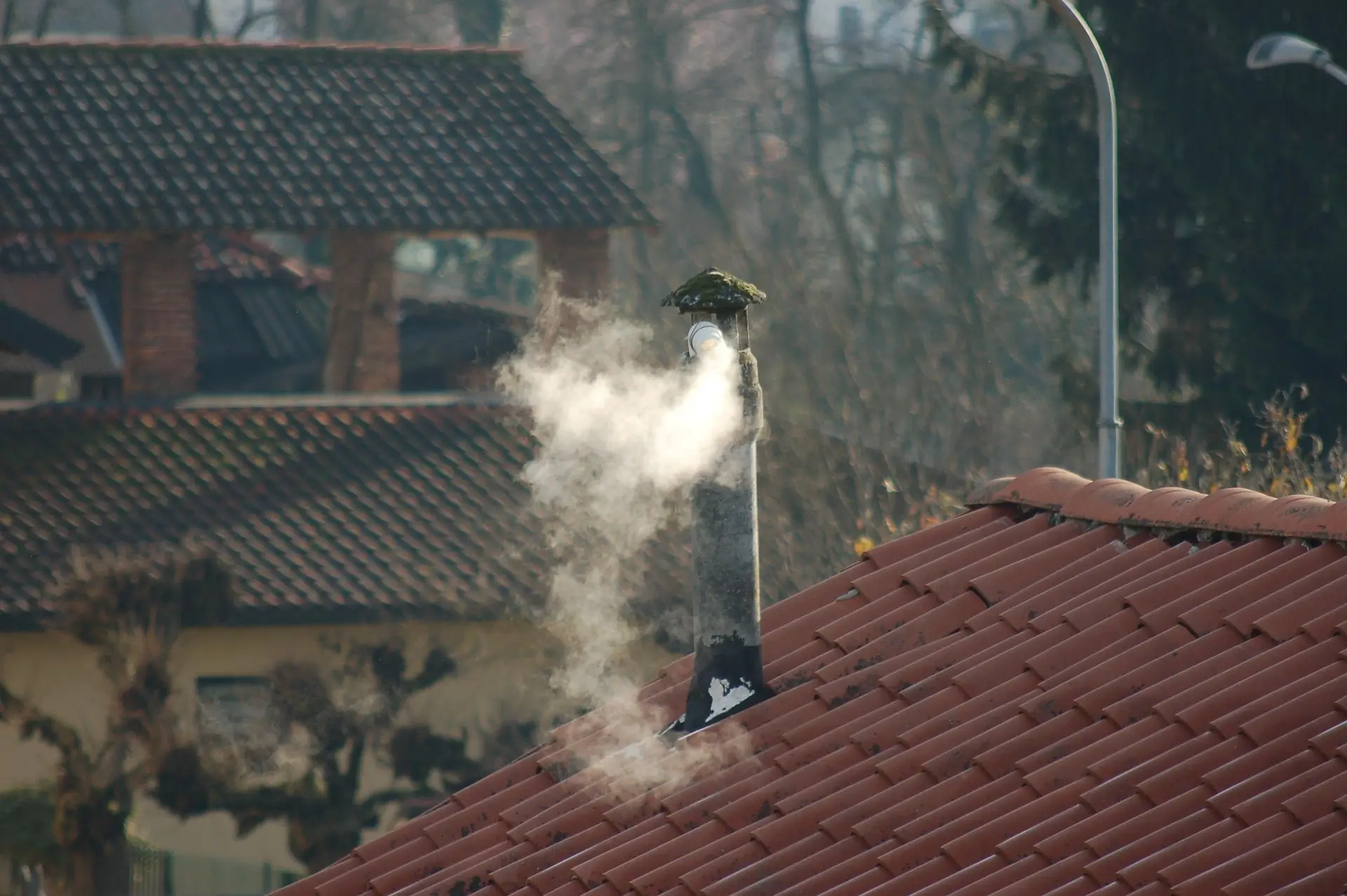
A chimney stack takes more weather than any other part of your roof. It stands proud of the tiles, catches wind from every direction, and its mortar joints are usually the first thing to fail on the whole house. Chimney repointing in Hinckley replaces that failing mortar before it lets water into the stack, the flue, or the roof timbers below.
Tate & Sons Roofing repoints chimneys across Hinckley, Burbage and the wider borough, from a single stack on a modern semi to a tall Victorian chimney overlooking the Druid Quarter. This page covers the warning signs, the difference between lime and cement mortar, what a repointing job actually involves, and real cost ranges. Chimney repointing is one part of the wider work we do as the chimney service specialists across Hinckley.
- Fully Insured
- 10-Year Guarantee
- 5-Star Rated
Quick Free Estimate - No Obligation
We're not just roofers – we're your neighbours.
Fully Insured • Response within 15 mins
🔒 Your details are safe with us. No spam, ever.
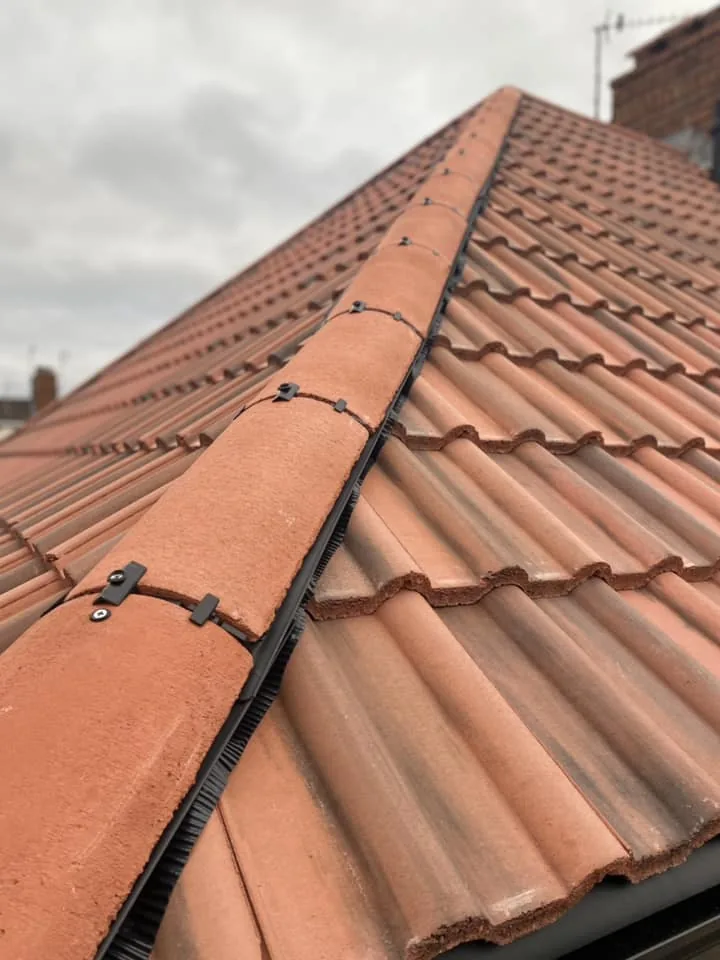
Know the Warning Signs Before Your Chimney Starts Shedding Bricks
Mortar rarely fails without warning. The trouble is that a chimney stack sits above eye level, so the early signs go unnoticed until the damage has already spread.
Look out for these:
- Mortar joints that look recessed, crumbly, or missing between the bricks
- White staining running down the stack in streaks below the joints
- Loose mortar or small pieces of brick landing in the gutter or on the roof
- Bricks sitting slightly proud of the stack, or visibly rotated out of line
- Damp patches on a ceiling or chimney breast that worsen after rain
- Weeds, moss or small plants growing directly out of the joints
- A stack more than 25 years old that has never been repointed
Ordinary mortar lasts roughly 25 to 30 years, but a chimney takes a harder battering than the rest of the house and often fails sooner. Once water gets behind an open joint it freezes in winter, expands, and gradually pushes bricks out of position. A free drone survey shows the state of your mortar joints close up, without anyone needing to get on a ladder first.
Repointing or Rebuilding — Getting the Call Right for Your Chimney
Repointing is the right fix when the bricks themselves are sound and only the mortar has failed. If the stack is leaning, bricks are cracked or crumbling, or several courses have come loose, repointing alone will not hold. That level of damage usually calls for a partial or full rebuild instead.
We see plenty of stacks around Barwell and Earl Shilton where the mortar has gone but the brickwork underneath is still in good condition, which makes repointing the straightforward, affordable answer. Where the stack itself has moved or the brick has spalled badly, our chimney rebuilding service covers the structural work repointing cannot fix. We check this on every survey, so you are never sold a rebuild you do not need, or a repoint that will not last.
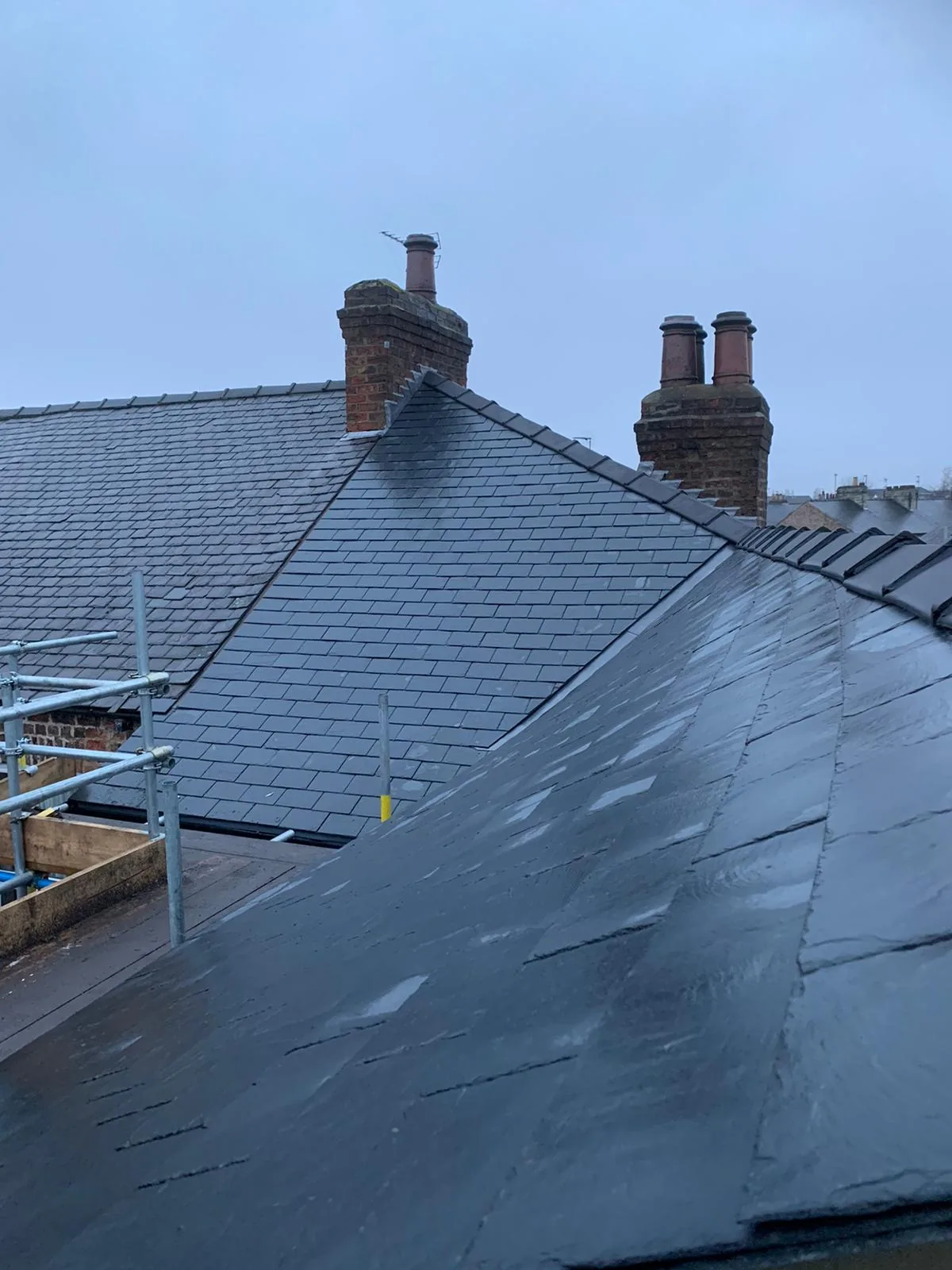
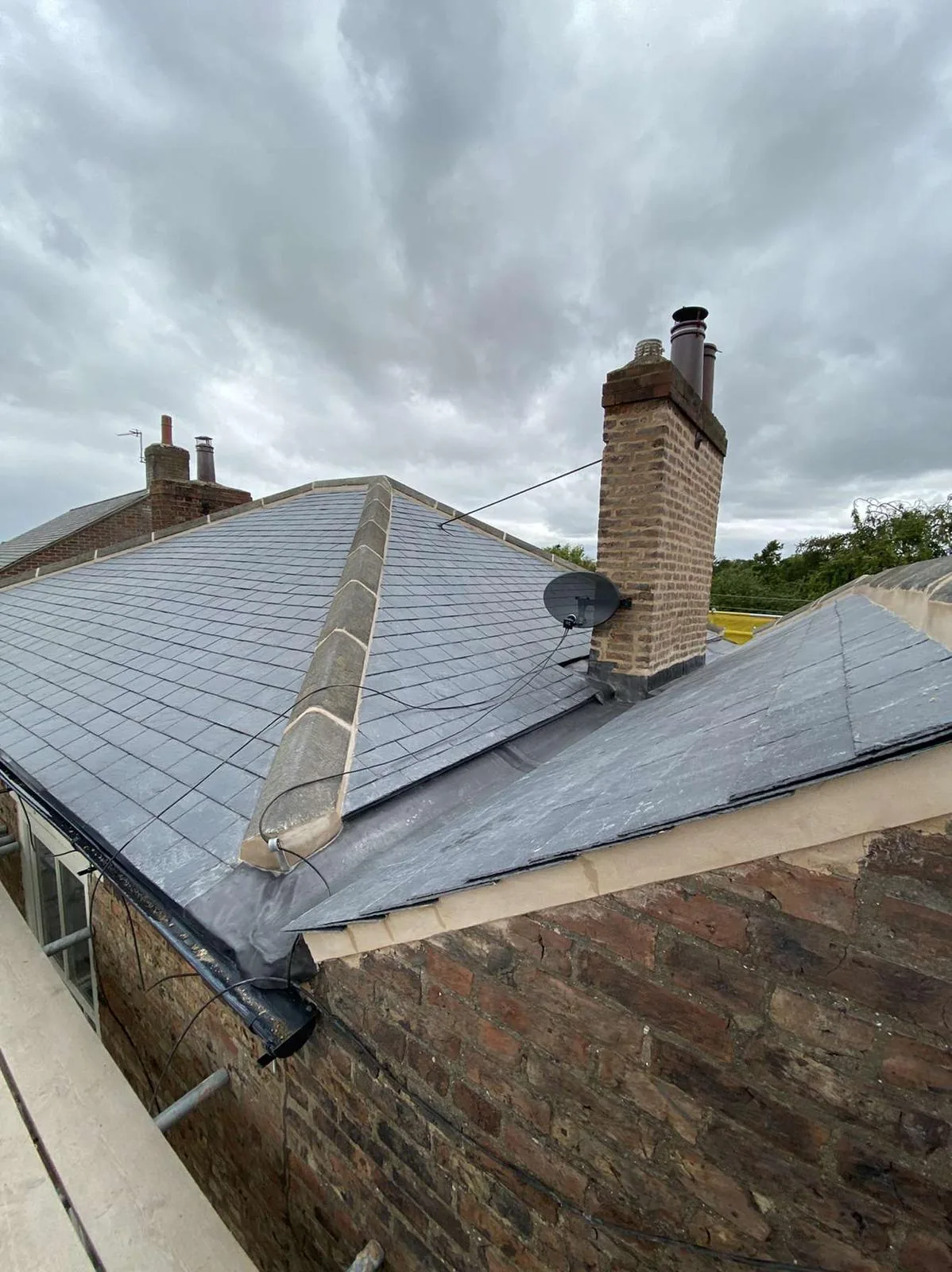
Lime Mortar or Cement — The Choice That Decides How Long Your Chimney Lasts
Most homes built before 1919 were originally built with lime mortar, and that includes a large share of Hinckley's older stock. Lime mortar stays slightly flexible and lets moisture pass through and evaporate, which is exactly how those solid brick walls and stacks were designed to work.
Cement mortar is harder and completely sealed. Packed into a chimney built for lime, it traps moisture inside the brick instead of letting it breathe out. That trapped water then freezes, and the brick face itself starts to crack and crumble, which is a far more expensive problem than the mortar it replaced. The Society for the Protection of Ancient Buildings' chimney maintenance guidance is clear that mortar for repointing older chimneys should normally be lime-based, not cement.
On a modern chimney built after the 1970s with cement mortar and dense modern brick, cement repointing is usually the correct like-for-like match. Mixing the two approaches on the wrong property is the single most common mistake we see on chimneys we are called out to fix.
| :-: | :-: | :-: | :-: |
| Mortar Type | Typical Cost | Best For | Typical Lifespan |
| Lime mortar | £700–£1,200 for a full chimney repoint; £60–£90 per m² | Period properties built before 1919, Victorian terraces, listed buildings | 20–30+ years, and protects old brick from frost damage over that time |
| Cement mortar | £400–£700 for a full chimney repoint; £10–£20 per m² less than lime | Modern homes built from the 1970s onward with dense engineering brick | 15–25 years; can cause spalling if used on older, softer brick |
The Victorian terraces around the Druid Quarter were almost all built with soft lime mortar, so a lime repoint keeps them working the way they were designed to. We match mortar mix to your property's age on every job, not just the material that happens to be quickest to apply.
Inside a Repointing Job — What Actually Happens on Site
A proper repointing job follows the same order on every chimney:
- Scaffold erected around the stack and tied off safely
- Old, failed mortar raked out by hand to a consistent depth of around 15–25mm
- Joints brushed clean of dust and lightly dampened
- New mortar, mixed to match the original type, packed firmly into every joint
- Joints struck to a finish that sheds water, usually a weathered or bucket-handle profile
- Chimney pots, flaunching and lead flashings checked while access is already in place
- Scaffold taken down and the stack checked again from the ground
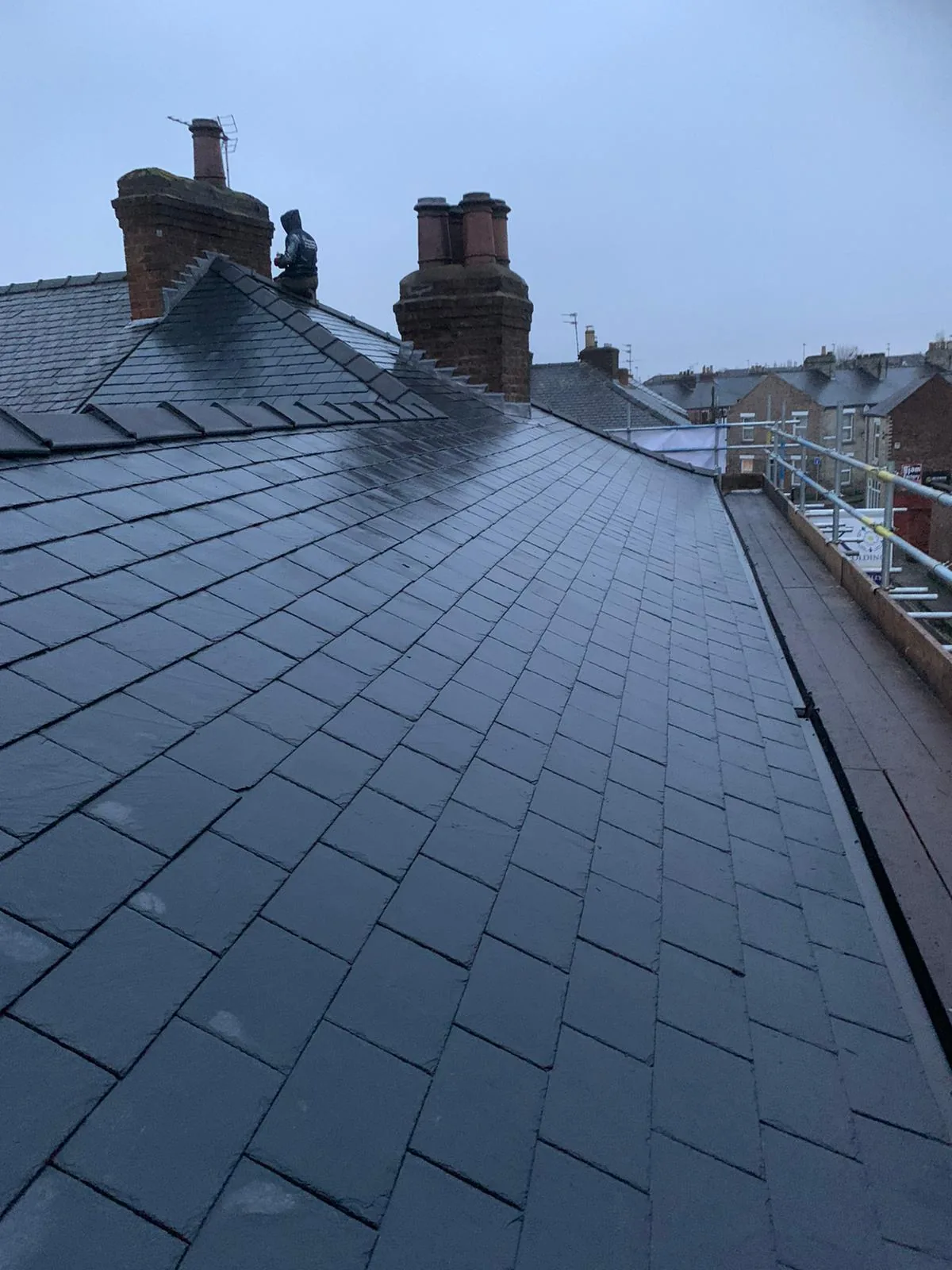
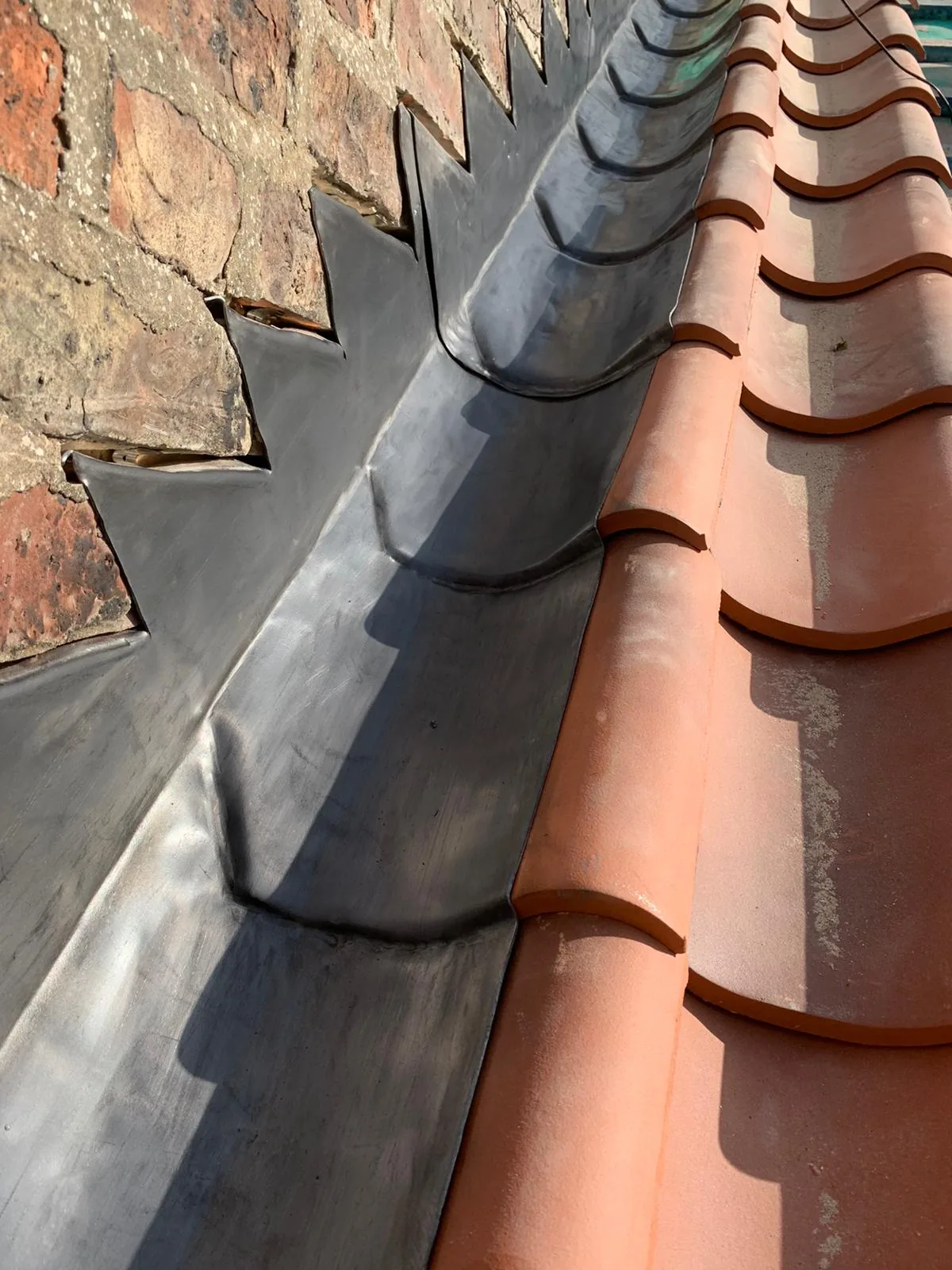
A single, easily accessed stack typically takes one to two days once scaffold is up. A taller stack with several flues, or one needing lime mortar applied in stages, can run to three or four days. While the scaffold is up we always check the lead flashing where the stack meets the roof, since a failed flashing causes the same damp problems as failed mortar. Where that flashing has worn through, our lead flashing repair service deals with it in the same visit rather than a second call-out.
What Chimney Repointing Costs in Hinckley
As a general guide, repointing a single, easily accessible stack in cement mortar typically costs £400–£700 for the pointing work itself. A full lime mortar repoint on a period chimney usually runs £700–£1,200, reflecting the slower application and higher material cost. Add scaffolding, which is needed on almost every chimney job, and a typical total project cost sits between £1,000–£2,200.
What pushes the price up or down:
These are general market ranges, not a quote for your chimney. Two stacks the same height can price very differently once access, brick condition and mortar type are factored in. A fixed price needs a survey.
- **Stack height and access*— a tall stack on a steep roof needs more scaffold than a low stack on a bungalow
- **Number of flues and pots*— more flues mean more joints and more pots to check
- **Brick condition*— spalled or cracked bricks may need individual replacement before repointing
- **Mortar type*— lime mortar costs more in materials and takes longer to apply than cement
- **Flaunching and pot condition*— cracked flaunching around the pots often needs renewing at the same time
After the Work — How We Check It's Done Right and Built to Last
Every repointed joint is checked for full coverage before the scaffold comes down, not just from the ground afterward. We look for any joint that has not taken the mortar properly, any pot that still rocks, and any flashing that needs attention while the scaffold cost is already covered.
Lime mortar needs time to cure slowly and should be protected from heavy rain and frost for the first few days. We plan lime repointing jobs around the weather rather than a fixed calendar date, since rushing the cure is the fastest way to shorten the life of the work. Every repoint we complete carries our 10-year workmanship guarantee, so the joints are covered long after the scaffold is gone.
Small Habits That Keep New Pointing Working for Decades
Freshly repointed mortar can last well beyond its typical lifespan with a little regular attention.
- Look at the stack from the ground every year, especially after winter storms
- Keep gutters and valleys near the chimney clear so water does not pool against the base
- Have the flue swept on the schedule your fuel type needs, since soot acids attack mortar too
- Book a free drone survey every few years to catch new joint failure early
None of this needs a specialist visit. A quick look and a call to us if anything looks off is usually enough to keep a repointed stack sound for its full lifespan.
Why Hinckley Homeowners Trust Tate & Sons With Their Chimney
Daniel Whitmore, our project manager and lead roofer, specialises in heritage tile, slate and leadwork detailing on the area's older properties, and he personally oversees the lime mortar repointing jobs on Hinckley's period chimneys. He knows which stacks around town were built with lime and which have already been repointed badly in cement, because he is usually the one called out to put it right.
Founder James Tate started out on the tools more than 20 years ago and still quotes the majority of jobs personally, including most chimney work, so the person pricing your repoint is the one standing behind it once it is finished. Between us we bring 40 years of combined team experience, hold NVQ Level 2 and 3 qualifications in Roofing, and carry CSCS cards. Sophie Bennett, our office manager, keeps quotes and scheduling running smoothly from the first phone call through to the finished job. Read more about the people behind the work on our About Tate & Sons Roofing page.
Areas We Serve Across Hinckley and Bosworth Country
We repoint chimneys across Hinckley and the surrounding borough. If your area is not on the list below, call us anyway — there is a strong chance we already cover you.
- Hinckley (LE10)
- Burbage (LE10)
- Barwell (LE9)
- Earl Shilton (LE9)
- Sapcote (LE9)
- Sharnford (LE10)
- Wolvey (LE10)
- Higham on the Hill (CV13)
- Sutton Cheney (CV13)
- Stoke Golding (CV13)
- Market Bosworth (CV13)
- Nuneaton (CV10 / CV11)
- Bedworth (CV12)
Got Questions?
Your Chimney Repointing Questions, Answered Properly
How do I know my chimney needs repointing?
The clearest sign is mortar that looks recessed, crumbly or missing between the bricks, often with white staining running down the stack below the affected joints. You might also spot loose mortar or bits of brick in the gutter, bricks sitting slightly proud of the stack, or damp patches on a chimney breast that get worse after rain. Weeds or moss growing directly from the joints is another common warning sign. A free drone survey confirms exactly which joints are failing without anyone needing to get on a ladder.
How much does chimney repointing cost in Hinckley?
As a general guide, cement mortar repointing on a single stack typically costs £400–£700 for the pointing work, while a full lime mortar repoint on a period chimney usually runs £700–£1,200. Add scaffolding, needed on almost every job, and a typical total sits between £1,000–£2,200. Stack height, the number of flues, brick condition and mortar type all affect the final figure. A fixed price always needs a survey first.
What's the difference between repointing and rebuilding a chimney?
Repointing replaces failed mortar while leaving sound brickwork in place, and it is the right fix when the bricks themselves are still solid. Rebuilding takes the stack down, partially or fully, and reconstructs it, which is needed when bricks are cracked, spalling badly, or the stack has started to lean. We check brick condition as well as mortar condition on every survey, since repointing a stack that actually needs rebuilding will not hold for long.
Should my chimney be repointed in lime mortar or cement mortar?
Properties built before 1919, including most of Hinckley's Victorian terraces, were originally built with lime mortar and should be repointed the same way, since lime lets moisture pass through and evaporate rather than trapping it in the brick. Modern chimneys built from the 1970s onward, using dense engineering brick, are usually correctly repointed in cement mortar to match the original build. Using cement on an older lime-built chimney is the most common repointing mistake we see, and it tends to cause more brick damage than the failed mortar it replaced.
Do I need scaffolding to repoint a chimney?
In almost every case, yes. A chimney stack sits above the roofline, and proper repointing means getting close enough to rake out every joint by hand and pack new mortar in firmly, which ladders and rope access cannot do safely or thoroughly. Scaffolding typically adds £500–£1,000 to a job depending on stack height and roof configuration, but it is also what lets us check pots, flaunching and flashings properly while we are up there.
Why do some repointing jobs fail faster than doing nothing at all?
This usually comes down to mortar mismatch rather than poor workmanship on the day. Hard cement mortar packed into a chimney built with soft lime traps moisture inside the brick instead of letting it evaporate outward. That trapped water freezes in cold weather, and the brick face itself starts to crack and flake, a process called spalling. A badly matched repoint can leave a chimney in a worse structural state within a decade than an unrepointed but breathable stack.
Why do the Victorian terraces in the Druid Quarter almost always need lime mortar?
Most of the terraced housing in and around the Druid Quarter was built during Hinckley's Victorian hosiery boom, using soft lime mortar throughout, including the chimney stacks. That original lime mortar has often crumbled badly after well over a century of weather, but it should still be replaced with fresh lime mortar rather than cement. Repointing these stacks in cement seals in moisture the walls were designed to release, which speeds up brick damage rather than preventing it.
Does a chimney facing the A5 corridor need repointing more often?
Generally, yes. Properties along the old Watling Street corridor and other exposed spots take a harder battering from wind-driven rain than a sheltered street in the town centre, and that rain gets forced into mortar joints with more pressure. Chimneys in these exposed positions often need repointing nearer the 15 to 20 year mark rather than the 25 to 30 years a sheltered stack might manage. We factor a property's exposure into the mortar mix and joint profile we recommend, not just its age.
Will repointing fix a leaking chimney on its own?
Often, but not always. If the leak is coming from open mortar joints in the brickwork, repointing solves it directly. If water is getting in around the flashing where the stack meets the roof, or through a cracked chimney pot or flaunching, repointing the brick joints alone will not stop it. We check flashings, pots and flaunching as standard on every repointing survey, so any additional cause gets caught and quoted at the same time rather than after a repeat leak.
Book Your Free Drone Chimney Survey Today
See exactly what your chimney's mortar needs before any scaffold goes up. No ladders, no guesswork — just clear footage from a local Hinckley team.
Every season an open joint is left alone, more water works its way into the brick, and frost does a little more damage each winter. A repoint that would have been straightforward this year can turn into a partial rebuild a couple of winters from now. Book a free survey today and get a clear, honest picture of what your chimney actually needs.
Call the Hinckley team today on 01455 242595, or request your free drone survey online. We're already working across your area.
Book Your Free Drone Roof Survey
See exactly where your roof stands, with no obligation and no pressure. Call our Hinckley team or request your free drone survey today.
Get in Touch
Tate & Sons Roofing — Hinckley Office
10 Brosdale Drive, Hinckley, LE10 0SW
📞 01455 242595
✉️ [email protected]