
🏠 Melton Mowbray Dry Verge System Specialists
Dry Verge System Melton Mowbray — Stop Wind Getting Under Your Roof Edge for Good
- Free Drone Survey
- Directly Employed Roofers
- Written Fixed Price
📞 Call 01664 490955 — free drone survey & a written price
Book Your Free Drone Survey
No scaffold. No pressure. No obligation.
Straight answers from local Melton Mowbray roofers.
🔒 Your details are safe with us. No spam, ever.
A dry verge system in Melton Mowbray replaces the old mortar strip along your gable end with mechanically fixed plastic or metal units. There is no cement to mix, no repointing every few years, and no crumbling line along the roof edge. It is one of the simplest upgrades that stops wind getting a grip on the sloped edges of your roof.
Homes out toward the Vale of Belvoir scarp feel this first. Wind comes off the Wolds with almost nothing to slow it down, and a gable end with tired, cracked mortar is usually the first place it finds a way in. Tate & Sons Roofing fits dry verge systems across Melton Mowbray as part of the wider work we do as a roofing contractor across Melton Mowbray.
This page covers when a dry verge system is the right call, what fitting day looks like, real cost ranges, and how the system meets current wind uplift standards. Book a free drone survey before anything is agreed, and you get a written price with nothing added later.
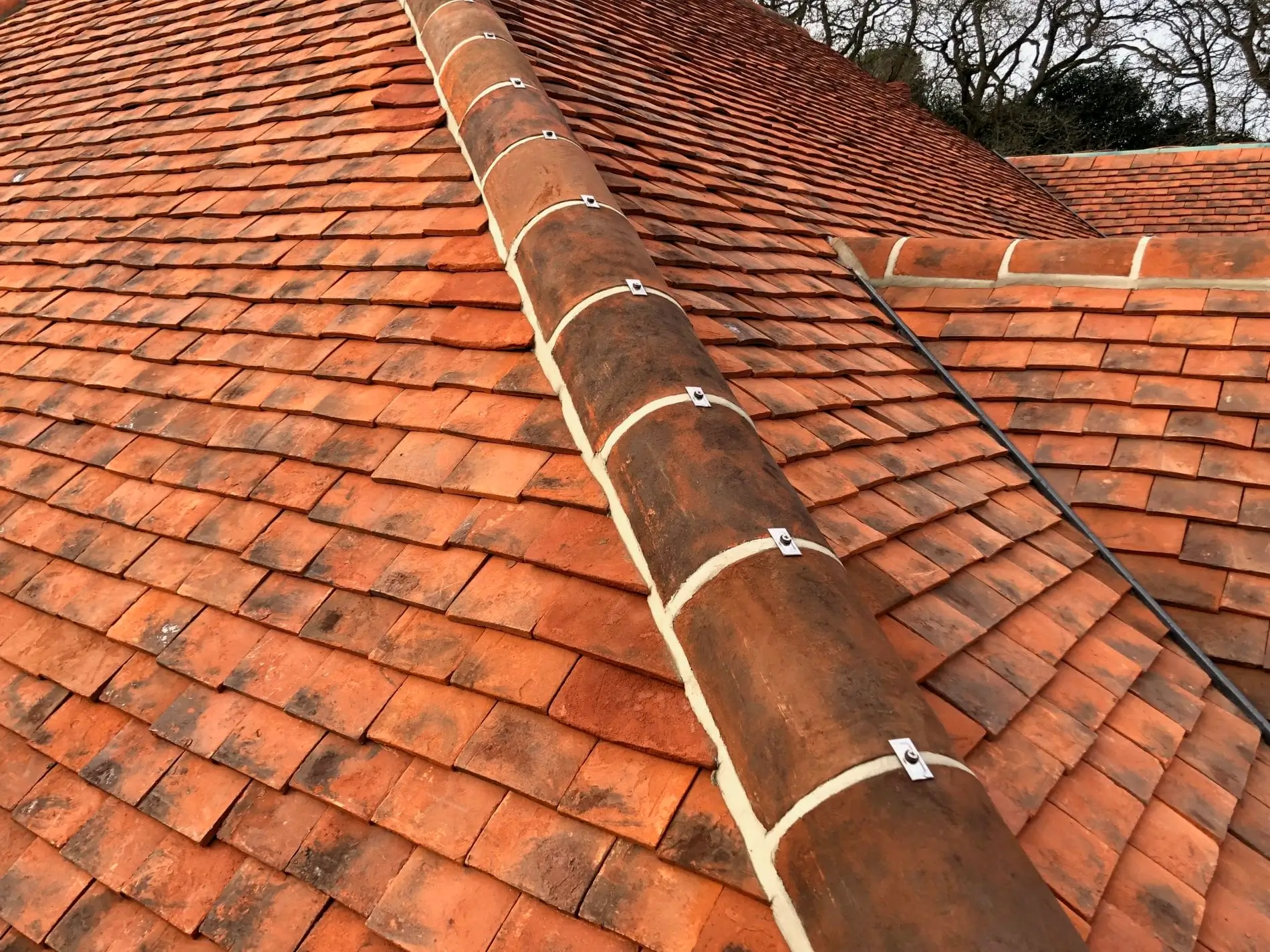
Spot the Signs Your Verge Is Already Letting Go
A verge rarely fails all at once. It gives small warnings first, and most of them are easy to miss unless you know where to look.
Watch for these along your gable end:
- Cracked or crumbling mortar running down the sloped edge of the roof
- Verge tiles that rock, lift, or feel loose to the touch
- Hairline gaps opening between the verge tile and the mortar bed
- Damp patches in the loft close to the gable wall
- Loose mortar or grit collecting in the gutter below the verge
- Tiles near the gable edge that have slipped after a windy night
Mortar looks solid, but it is rigid and roof timbers are not. Battens and rafters move slightly with temperature and moisture, and mortar cannot flex with them, so hairline cracks form. Once a crack opens, water gets behind it, freezes in winter, and forces the gap wider each year. That cycle is behind almost every failed verge we get called to on the older terraces around Asfordby.
A free drone survey shows the whole verge line from above, without a ladder propped against your wall. You get footage of the real problem, not a guess from the pavement.
Dry Verge or Mortar Repair Getting the Right Fix First Time
A single hairline crack on a young mortar verge does not always need a full system change. A straightforward repoint can buy you several more years if the mortar underneath is otherwise sound.
A gable that keeps cracking every year or two is telling you something different. Repeated repointing on an exposed site is money spent without solving the actual problem, which is mortar trying to do a job it was never designed for. A dry verge system fitted once, mechanically fixed rather than glued on with cement, stops that repeat spend.
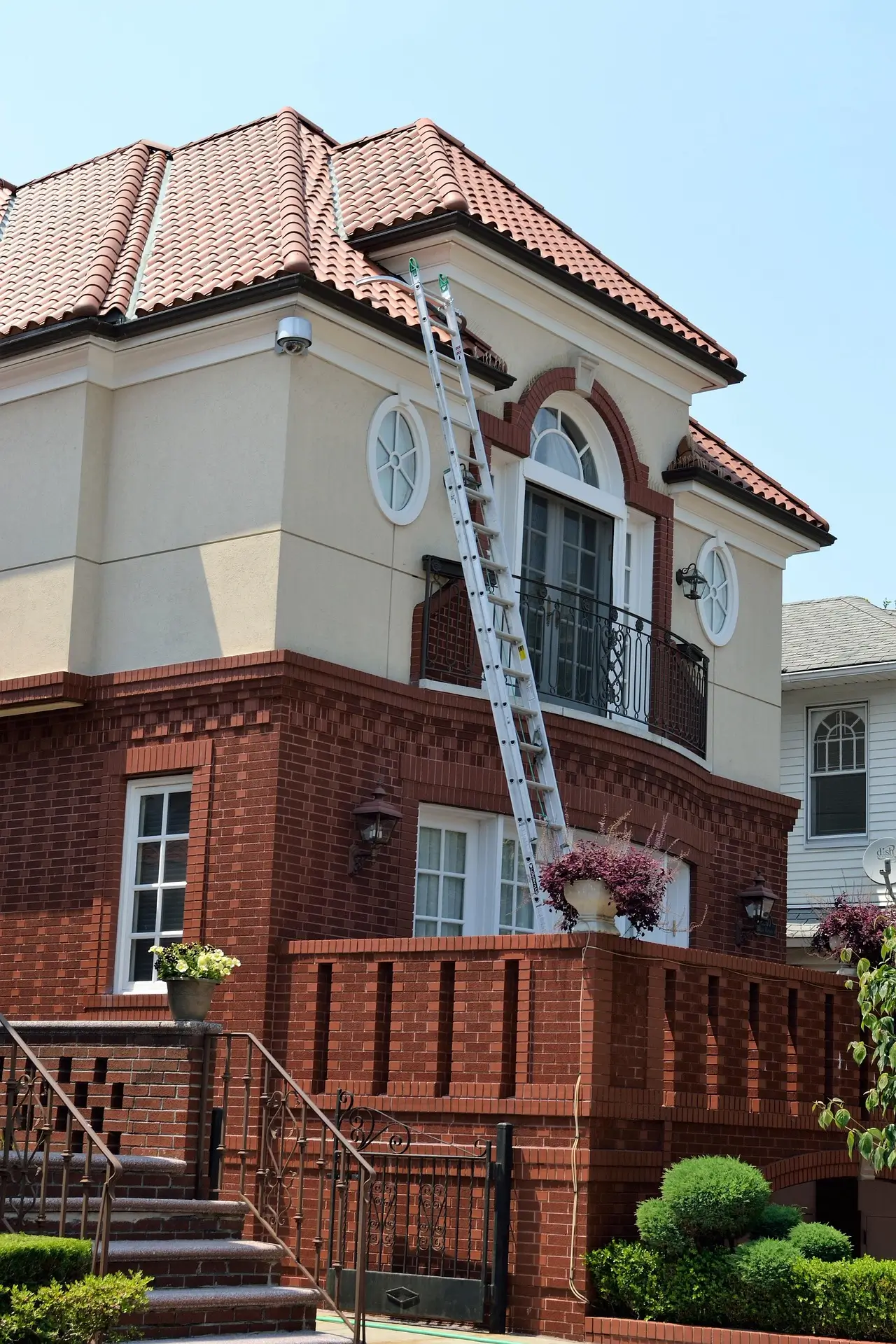
Verges run down the sloped sides of your roof at each gable, which is different from the ridge line along the top. If it is actually your ridge letting go rather than the gable edges, our dry ridge system page covers that separate detail. Where a roof is due a full new covering anyway, fitting dry verge at the same time as a re-roof is usually the most cost-effective point to do it, since scaffold and access costs are already covered.
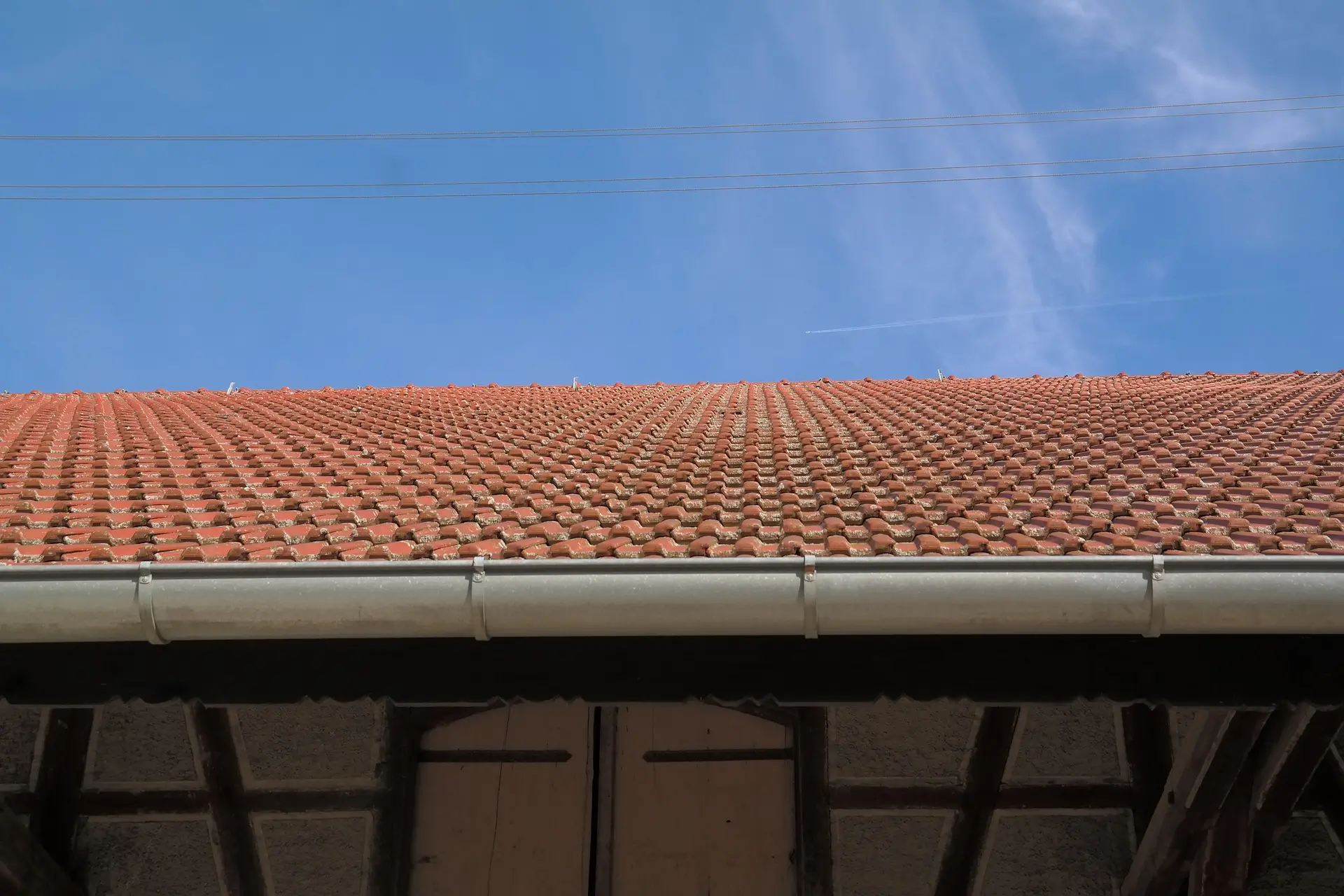
Choosing the Right Dry Verge System for Your Tiles
Not every verge unit suits every roof. The system has to match your tile profile, whether that is a plain tile, an interlocking tile, or a pantile, and it has to suit how exposed the site is.
uPVC units are the most common choice and the most affordable, and they hold up well on sheltered streets in town. Aluminium units cost more but resist wind flex and discolouration better over time, which matters on higher, more exposed gables. GRP units sit between the two and suit certain heritage tile profiles where a plain plastic finish looks out of place.
Daniel Oakland, our project manager, has more than twenty years fitting roof detailing across Melton Mowbray and talks through which system suits a property before anything is ordered. On the older, higher-set terraces around Scalford, where gables take a harder battering off the Wolds, he will often recommend the stronger aluminium fixing over standard uPVC, even where it costs a little more up front.
What Happens on Fitting Day, Start to Finish
A dry verge installation follows a set order on every job, whether it is one gable or a whole terrace:
- Access set up, either a mobile tower or scaffold depending on height
- Old mortar and loose verge tiles carefully removed
- Batten ends checked and any rot or damage repaired
- Verge union brackets fixed to the fascia or bargeboard
- Verge sections fitted and interlocked down the slope of the roof
- Apex and eaves closure units fitted to seal each end
- Tiles re-checked to confirm they sit correctly against each unit
- Old mortar debris cleared and the gutter line checked

A typical semi-detached home with two gables is usually finished within a single working day once access is up. A larger detached property, or one with dormers breaking up the roofline, can take a day or two longer. Weather can push the schedule back slightly, since fitting in driving rain is not good practice, but a dry verge job rarely drags on the way a full re-roof can.

What a Dry Verge System Really Costs in Melton Mowbray
As a general guide, dry verge material and fitting typically runs £10 to £25 per linear metre, depending on the unit type and how much old mortar has to come off first. uPVC units usually cost £5 to £10 per unit, while aluminium units run £15 to £25 per unit for the stronger fixing.
For a typical semi-detached home with two gable ends, a full dry verge installation usually comes to around £750 to £1,000 fitted. Across all property types and roof shapes, whole-job pricing generally falls somewhere between £500 and £2,000.
What tends to move the price up or down:
- Number of gables — more gable ends means more linear metres to fit
- Access — a mobile tower runs £150 to £200, while full scaffold on a two-storey gable can add £400 to £600
- Material choice — aluminium costs more than standard uPVC
- Old mortar removal — a badly cracked, thick mortar bed takes longer to strip out than a light repointed one
- Batten condition — rotten batten ends found underneath need replacing before new units go on
These are general market ranges, not a quote for your roof, since two gable ends the same size can price differently once mortar condition and access are factored in. A fixed price needs a survey.
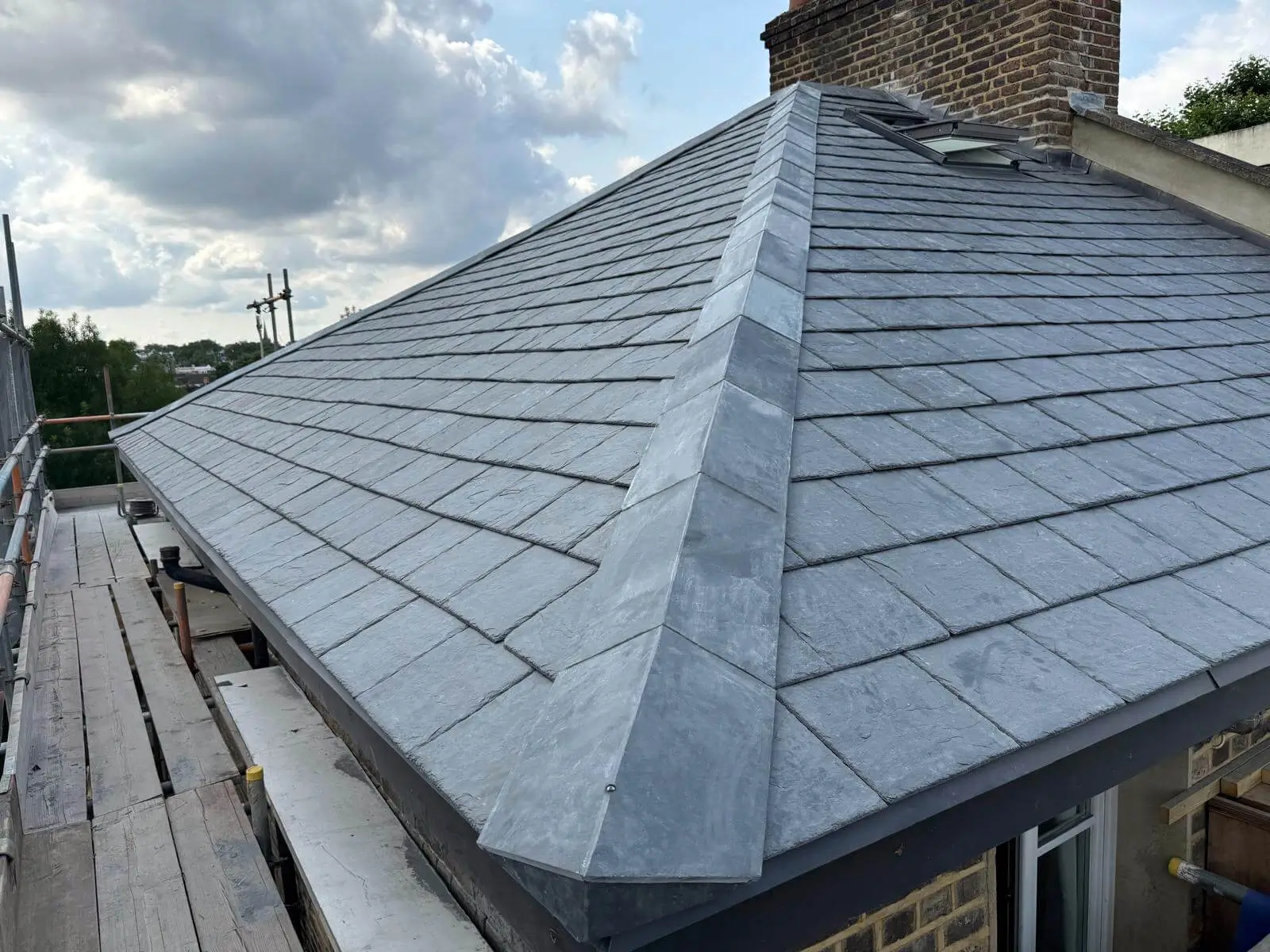
Dry Verge System vs Traditional Mortar-Bedded Verge
Here is how a mechanically fixed dry verge system compares against a traditional mortar-bedded verge across the things that actually matter — upfront cost, how long it lasts, and the type of property each one suits best.
| Feature | Typical cost | Typical lifespan | Best for |
|---|---|---|---|
| Dry Verge System | £10–£25 per metre fitted (roughly £500–£2,000 per job) | 25–30+ years, matching the roof covering | Exposed gables, wind-prone sites, re-roofs, low-maintenance homes |
| Traditional Mortar-Bedded Verge | Lower upfront, but repointing every 5–10 years adds up | 5–15 years before cracking begins | Conservation-matched aesthetics on heritage or listed properties |
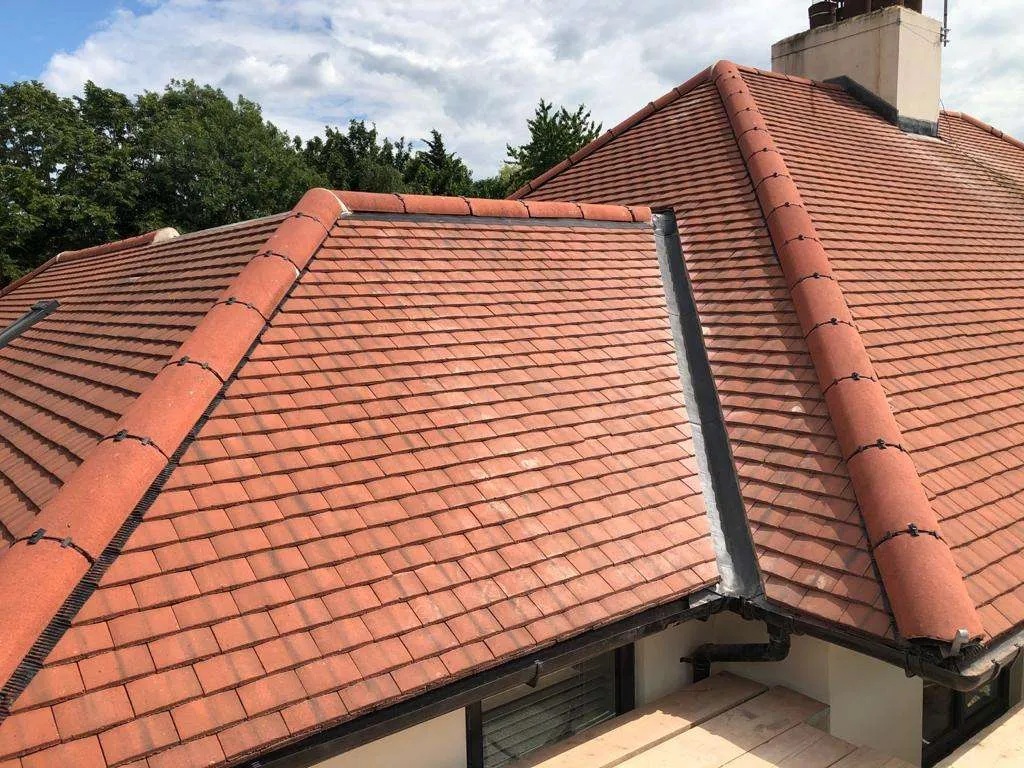
Built to BS 5534 The Standard Behind Every Fixing
Verges, along with ridges and eaves, sit in the zones of a roof that take the highest wind suction. British Standard BS 5534 governs how tiles and roof edge details must be fixed to resist wind uplift, and the 2018 update to that standard changed things directly for verges.
Before that update, mortar was often relied on to help hold verge tiles against wind. The revised standard moved away from that, since mortar's tensile strength cannot be counted on to resist uplift once it starts to crack. A separate standard, BS 8612, now sets out the fixing and ventilation requirements specifically for dry-fix ridge, hip and verge systems, which is why a mechanically clipped and screwed system meets current wind uplift requirements in a way mortar alone no longer does.
For the full technical detail on tile fixing and verge detailing, the Roof Tile Association's design and installation guide for roof tiling sets this out in depth. On exposed gables toward the scarp and around Waltham on the Wolds, we specify fixings to the higher wind zone tables rather than the standard minimum, since a bare-minimum fixing on a sheltered street is not enough on a hilltop gable.
Keep Your Verges Sound for Decades
A dry verge system needs very little upkeep once it is fitted, but a few habits keep it performing for the long run.
- Check the verge line after any named storm or spell of high wind
- Keep gutters clear so debris does not sit against the union clips
- Look for any small gap opening at the apex or eaves closure unit
- Avoid painting or sealing the units, which can void the manufacturer's guarantee
- Book a free drone survey every few years to check the whole roof, not just the verge
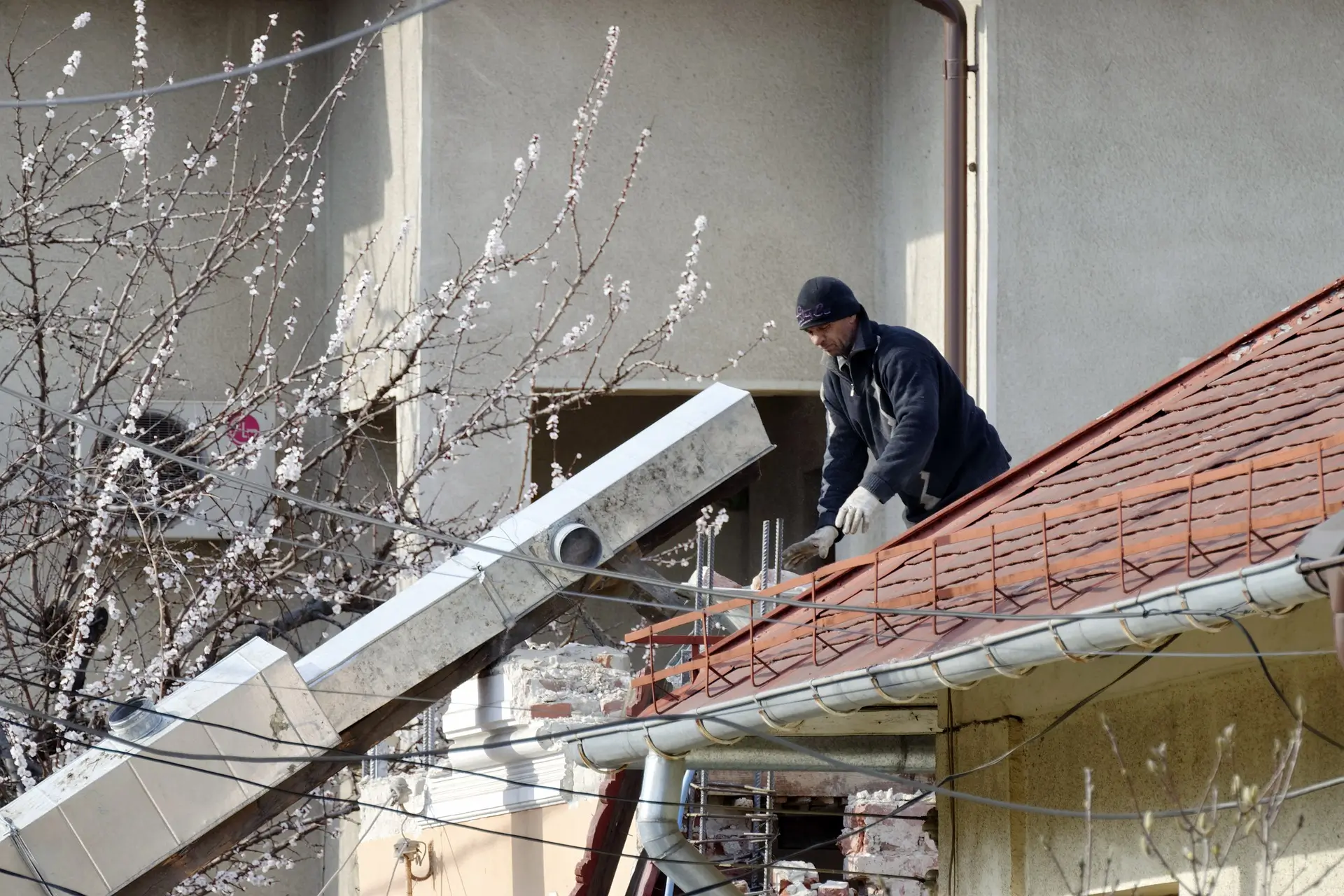
None of this needs a specialist visit. A quick look after bad weather, and a call to us if anything looks off, catches a problem while it is still small and cheap to put right.
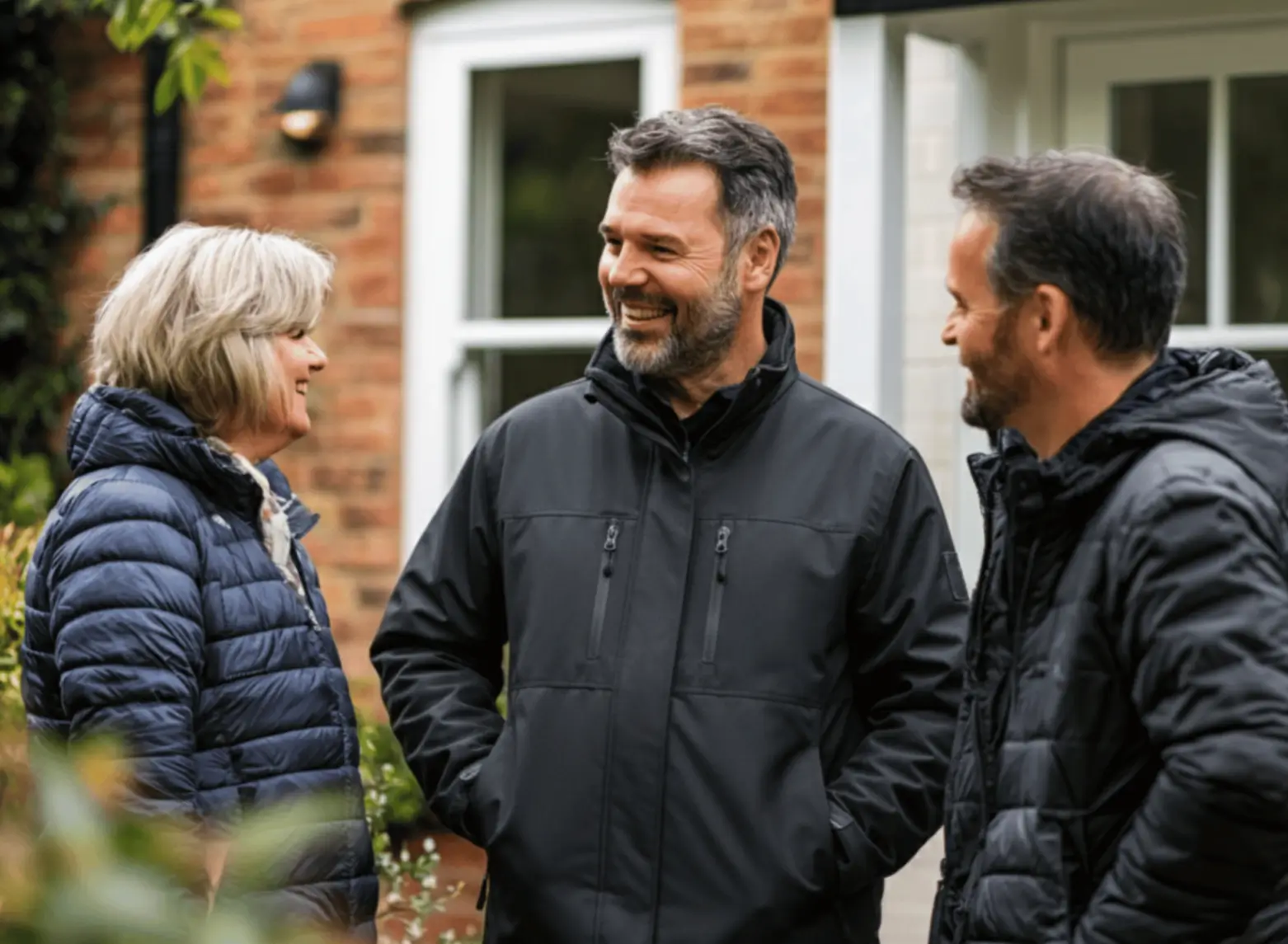
Why Melton Mowbray Homeowners Call Tate & Sons First
You are not just buying plastic units and clips. You are buying whoever fixes them to your roof, and how carefully they do it.
Daniel Oakland, our project manager, has more than twenty years in the trade and personally specifies the verge and ridge detailing on the jobs he runs, from standard uPVC systems through to the stronger aluminium fixing needed on exposed gables near Scalford and Thorpe Arnold. He is part of the same crew that turns up to fit your verge, not just the person who quoted it.
Founder James Tate started the business after fifteen years working roofs across Melton Mowbray and the East Midlands, and he still prices most jobs himself. He built Tate & Sons around a simple idea: find out what is genuinely wrong, use the right materials for the job, and stand behind the result afterwards. Between us we carry over 40 years of combined team experience, NVQ Level 2 and 3 qualifications in Roofing Occupations, and CSCS cards. Janice Whitmore, our office manager, keeps you posted from the first call through to the finished job. Read more about the people behind the work on our About Tate & Sons Roofing page.
Areas We Serve Across Melton Mowbray and the Vale of Belvoir
We fit dry verge systems across Melton Mowbray and the surrounding villages. If your area is not listed below, call us anyway, since there is a strong chance we already cover you.
- Melton Mowbray (LE13)
- Asfordby (LE14 3)
- Old Dalby (LE14 3)
- Nether Broughton (LE14 3)
- Frisby on the Wreake (LE14 2)
- Wymondham (LE14 2)
- Long Clawson (LE14 4)
- Harby (LE14 4)
- Stathern (LE14 4)
- Waltham on the Wolds (LE14 4)
- Bottesford (NG13)
Got Questions?
Your Dry Verge Questions, Answered Properly
What is a dry verge system and how does it work?
A dry verge system replaces mortar along a gable end with plastic or metal units clipped and screwed to the roof. Each unit locks over the top edge of the roof tiles and fixes back to a bracket on the fascia or bargeboard. This mechanical fixing holds the verge tiles down against wind uplift without relying on cement. It also sheds water cleanly off the roof edge instead of letting it sit against a mortar joint.
Can a dry verge system be fitted without a full re-roof?
Yes, in most cases a dry verge system can be retrofitted to an existing roof without touching the rest of the covering. We remove the old mortar and any loose verge tiles, check the batten ends underneath are sound, and fit the new units in their place. It is one of the more cost-effective upgrades you can make to an existing roof, since it does not require scaffolding the whole property in every case.
How much does a dry verge system cost in Melton Mowbray?
As a general guide, dry verge material and fitting runs £10 to £25 per linear metre, and a typical semi-detached home with two gables costs around £750 to £1,000 fitted. Whole-job pricing across different property types generally falls between £500 and £2,000. Access, material choice, and how much old mortar needs removing all affect the final figure. A fixed price always needs a survey.
How long does a dry verge system last?
A well-fitted dry verge system typically lasts 25 to 30 years or more, broadly matching the lifespan of the roof covering itself. This compares well against a mortar-bedded verge, which often starts cracking again within 5 to 15 years. Because the units are mechanically fixed rather than bonded with cement, they do not rely on a joint that weakens with every frost and thaw cycle.
Can a dry verge system still let water in?
A dry verge system is not sealed shut, but it is designed to shed water off the roof rather than trap it against a joint. Water that reaches the units runs down and off the tile surface the way it would on any roof edge. Problems only really arise from poor installation, such as a missing end cap or a union that has not been clipped down properly, which is why correct fitting matters as much as the product itself.
Is a dry verge system suitable for a period property?
Yes, dry verge systems can be fitted to older and period properties as well as modern builds. On a listed building or one within a conservation area, we check what finish is acceptable first, since some areas expect a verge detail that keeps the traditional mortar look. Where that applies, a well-maintained mortar verge or a discreet aluminium unit is usually the better match.
Does a dry verge system affect ventilation at the gable end?
A correctly specified dry verge system does not block roof ventilation, and some verge unit ranges include ventilated options that actively help air move through the roof space. BS 8612 sets out ventilation requirements alongside fixing requirements for dry-fix systems, so a compliant installation accounts for both at the same time. Getting this detail right at the gable end matters just as much as at the eaves or ridge.
Do exposed gables near the Vale of Belvoir scarp need a different fixing spec?
Yes, gables on higher, more exposed ground generally need a stronger fixing specification than a sheltered street in town. Properties out toward the scarp and the high ground around Waltham on the Wolds sit in higher wind suction zones under BS 5534's fixing tables, which can call for additional fixings or a stronger unit type. We assess a property's height and exposure before specifying the fixing.
Do older mortar-verge terraces around Scalford need extra prep before a dry verge system goes on?
Often, yes. Many of the older terraces around Scalford still carry their original mortar verges, and that mortar is frequently thicker and more heavily cracked than on a modern build. Removing it takes longer, and the batten ends underneath sometimes need repair once the old mortar comes away. We factor this extra prep time into the quote up front, rather than raising it as an add-on once work has started.
Book Your Free Drone Roof Survey Before Your Verges Let Go
Every windy season a cracked verge is left alone, water works a little further behind the mortar, and a straightforward dry verge upgrade can turn into slipped tiles or a damp patch in the loft.
A free drone survey shows exactly where your verges stand today, with no ladder against your wall and no obligation. Book now, get an honest written price, and get your gable edges sorted properly, first time.
Get in Touch
Tate & Sons Roofing, Melton Mowbray
13 Cromwell Road, Melton Mowbray, LE13 0AD
📞 01664 490955
✉️ [email protected]