
🏠 Melton Mowbray Chimney Cap & Weatherproofing Specialists
Chimney Cap Installation and Weatherproofing in Melton Mowbray — Keep Rain Out Without Sealing the Air In
- Free Drone Survey
- Directly Employed Roofers
- 10-Year Guarantee
📞 Call 01664 490955 — free drone survey & a written price
Book Your Free Drone Survey
No scaffold. No pressure. No obligation.
Straight answers from local Melton Mowbray roofers.
🔒 Your details are safe with us. No spam, ever.
An unused chimney in Melton Mowbray is still an open pipe to the sky. Rain, birds, leaves and downdraughts all have a clear run straight down into the stack unless something proper sits on top. Chimney cap installation and weatherproofing in Melton Mowbray closes that gap off from the weather while still letting the flue breathe, which is the part a bare concrete slab or a sealed-solid cap usually gets wrong. Tate & Sons Roofing fits vented caps on disused chimneys and flues right across the town, as part of the wider chimney services across Melton Mowbray we offer.
This page is about disused and unused flues specifically — the fireplace that has not been lit in years, or the stack left over from a fire that was removed decades ago. If your flue is still connected to a working stove or open fire and you are dealing with birds, downdraughts or smoke problems, that is a different job with different parts, and our chimney bird guard and cowl fitting service covers that instead. Here, we walk you through when capping is right, how it is done properly, what it costs, and why sealing a chimney completely can cause more damage than leaving it open.
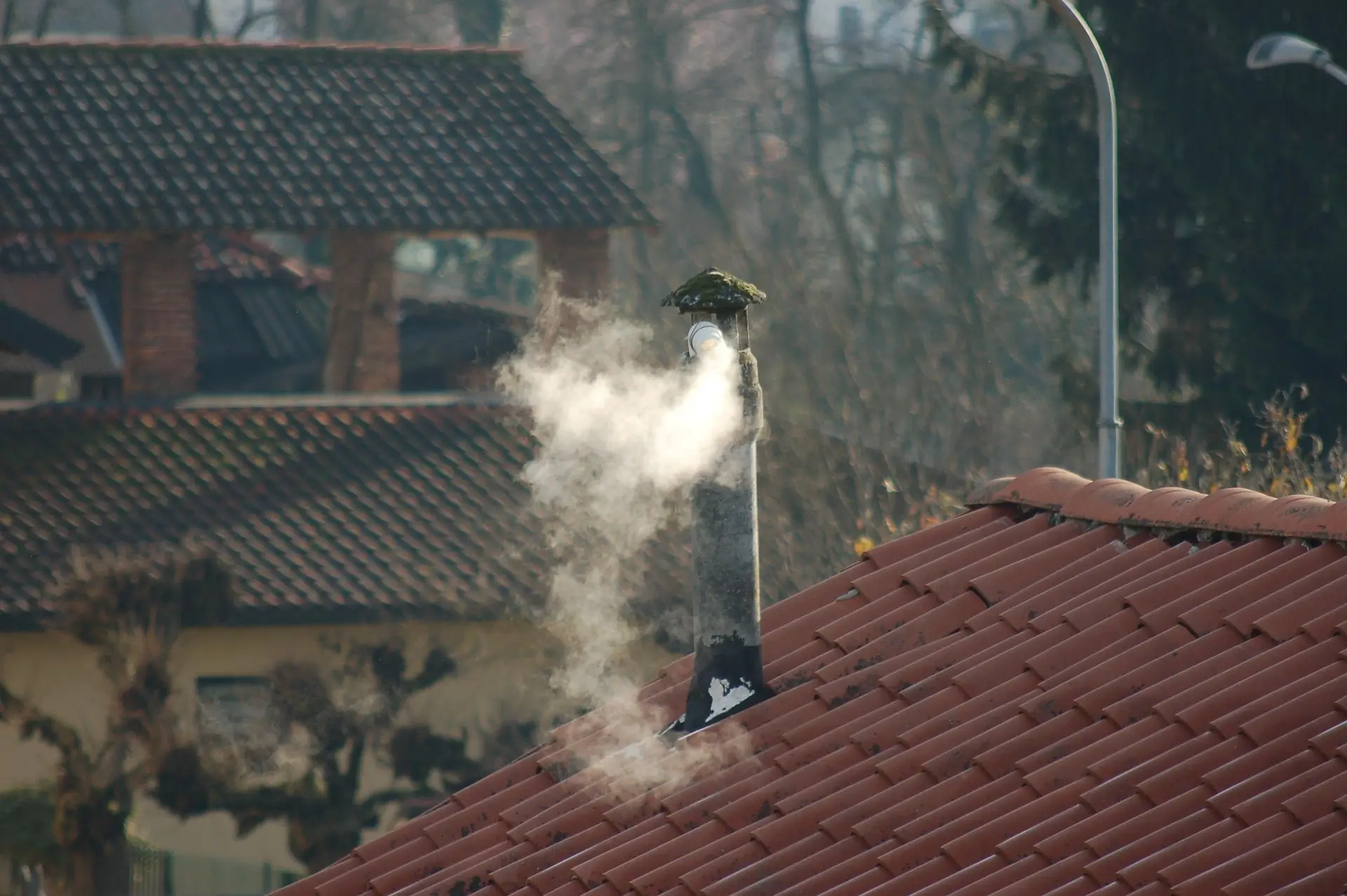
Spot the Warning Signs a Disused Chimney Needs Attention
A disused chimney rarely announces itself until the damage is already inside the wall. Most homeowners in Melton Mowbray only notice once a stain appears on the chimney breast or a smell drifts down on a wet day.
Watch for these signs around your stack and chimney breast:
- Damp or brown staining on the chimney breast wall, upstairs or down
- A musty, sooty smell that gets stronger after rain
- Scratching, chirping or fluttering sounds from inside the flue
- Twigs, feathers or debris visible when you look up from the fireplace
- Bricks or pointing around the chimney pot that look wet or crumbling
- A cold, draughty room even with the fireplace opening covered
None of these mean the stack is failing structurally. They usually mean rain and birds have had free access to an open flue for years, and nothing has been stopping them. On the older Georgian and Victorian streets near St Mary's Church, we see this pattern on stacks that carried working fires two or three owners ago and were never properly finished off when the last one was blocked up downstairs.
Cap It, Vent It, or Remove It — Getting the Right Call for Your Flue
Not every disused chimney needs the same fix. A sound stack in reasonable condition is usually a straightforward capping job. A stack with failing brickwork, a collapsing flue liner, or one that is no longer earning its keep on the roofline is a different conversation entirely.
If the pot and stack are structurally sound, a vented cap is normally the right and most cost-effective answer. If the masonry itself is breaking down, spalling, or leaning, capping the top does nothing for a problem lower down, and full chimney removal or a stack rebuild may be the more sensible long-term route. We check the whole stack, not just the pot, before recommending either one.
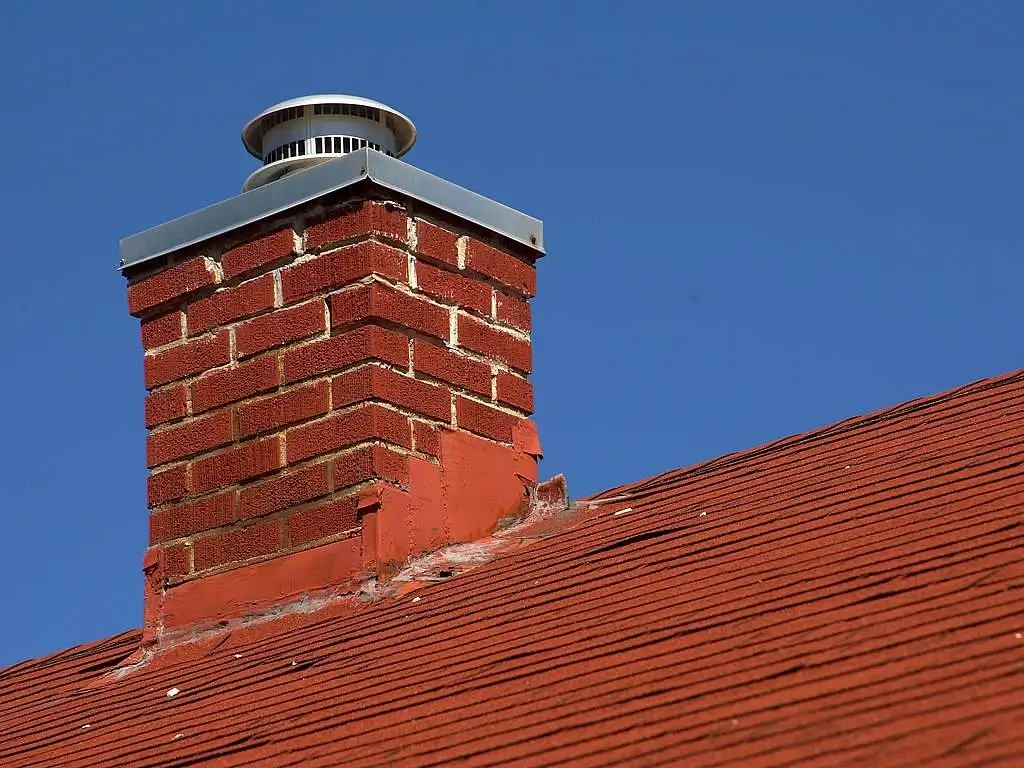
We see a lot of this decision play out in Asfordby's mid-century terraces, where many original fireplaces were bricked up downstairs decades ago and the flue above was simply left open to the weather. A quick look from the ground tells you very little about what thirty or forty years of unvented rain has done inside that flue, which is exactly why we get up there before quoting either way.
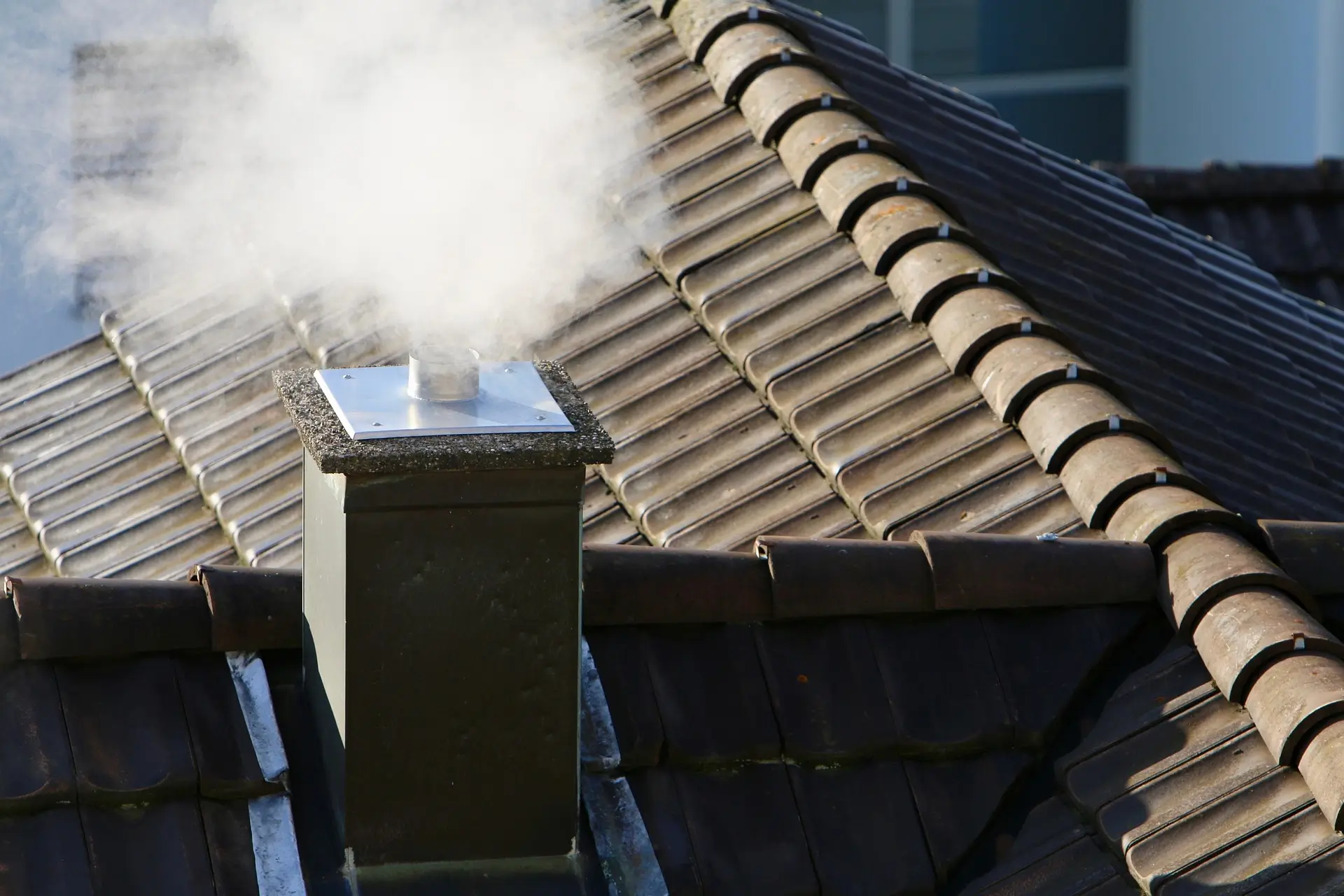
Vented Capping, Solid Capping or a Cowl — Which Suits Your Chimney
Three approaches cover almost every disused chimney we work on. The right one depends on how the flue is used, how exposed the stack is, and whether damp has already started to take hold.
In short: a vented cap is the standard, recommended fix for most fully disused flues, since it keeps weather out while letting the flue breathe. A fully solid cap should only go on a chimney you plan to strip out or rebuild soon after, because sealing a flue completely traps moisture inside it. A mushroom-style cowl works well as a lighter, cheaper option on a sound pot where light bird and debris protection is the main concern.
| Method | Typical cost per chimney | Ventilation | Best for |
|---|---|---|---|
| Vented capping | £150–£400 | Full airflow maintained, rain excluded | Fully disused flues you want protected long-term |
| Solid capping | £100–£300 | None — flue is fully sealed | Short-term measure before removal or rebuild only |
| Cowl-based weatherproofing | £120–£350 | Good airflow, lighter debris control | Sound pots needing bird and leaf protection |
Solid capping has its place, but only ever as a stopgap. A fully sealed flue with nowhere for moist air to go will sweat on the inside, and that condensation soaks into old soot and mortar until it shows up as damp on your chimney breast months later.
What Capping Day Actually Involves, Start to Finish
Fitting a proper vented cap is quick, but it is not a job to rush from a ladder. Getting the size and fit wrong is the single biggest reason a cap fails within a year or two.
Here is the order we follow on every job:
- Inspect the pot, stack and flashing from roof level, not just from the ground
- Check the flue for existing debris, nests or damp before anything is fitted
- Clear the flue of any loose debris or old nesting material
- Measure the pot or flue opening precisely for a correct-fit cap
- Fit the vented cap securely, checking it sits flush and cannot lift in wind
- Check surrounding flashing and pointing while access is already in place
- Photograph the finished work so you have a record without climbing up to check
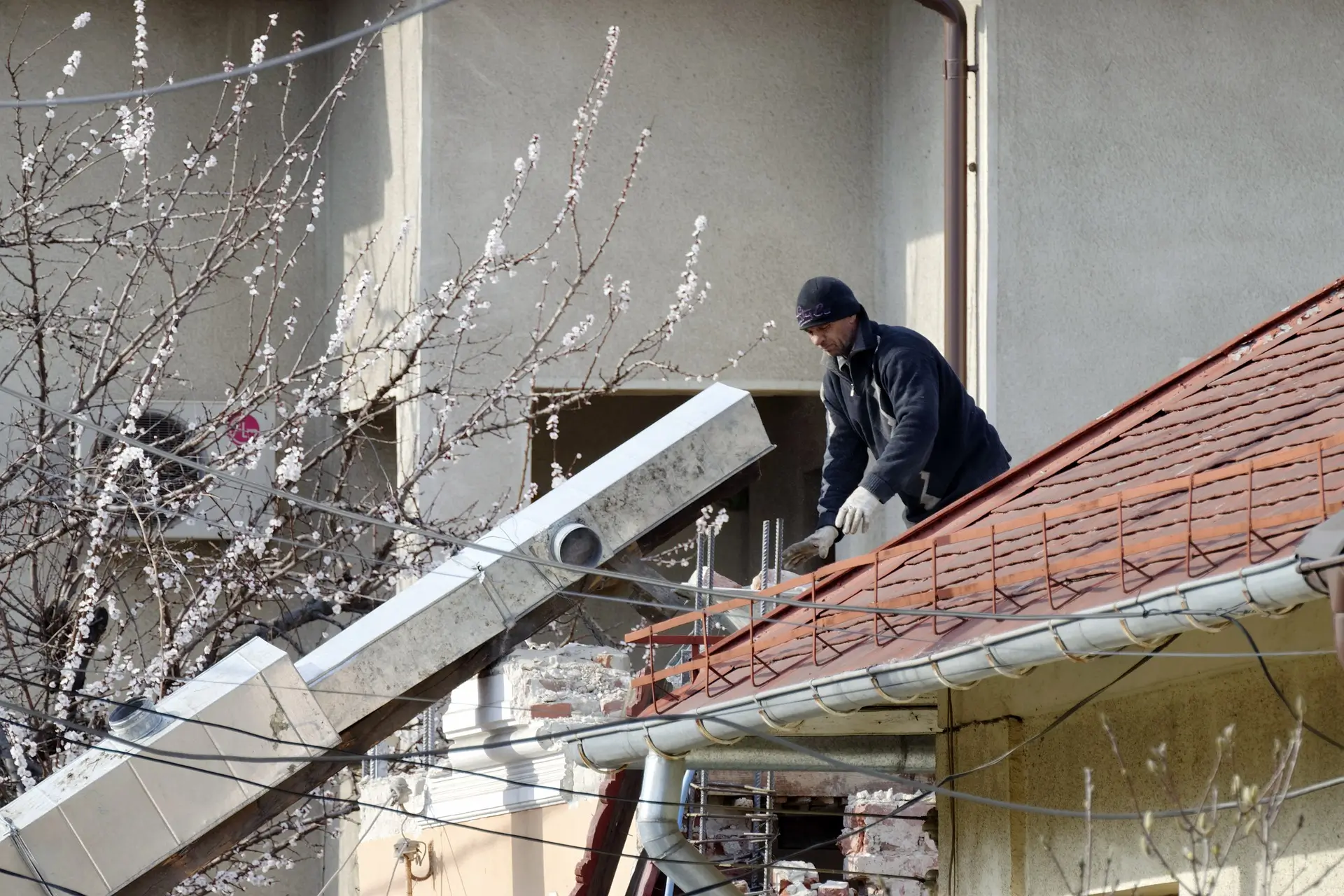
Most single-chimney capping jobs take half a day including access, and a straightforward multi-pot stack can usually be finished within a day. Where scaffolding is needed rather than a tower or cherry picker, we tell you that cost upfront rather than adding it as a surprise later.

What Chimney Cap Installation Really Costs in Melton Mowbray
As a general guide, a vented chimney cap typically costs £150–£400 supplied and fitted per chimney, with a simple cowl often coming in around £120–£350. Where access is straightforward from a tower or existing scaffold, the job sits toward the lower end of that range.
What pushes the price up or down:
- Access — a ridge-mounted stack on a two-storey home often needs scaffolding or a cherry picker, which can cost more than the cap itself
- Number of pots — a shared stack with several flues costs more than a single pot, though each additional pot is cheaper than the first
- Condition of the flue and stack — pointing repairs or a damaged pot found during the survey add to the job
- Cap type — a bespoke or bird-and-bee-proof vented cap costs more than a standard mushroom cowl
- Debris clearance — a flue full of decades of nesting material takes longer to clear before a cap goes on
These are general market ranges, not a quote for your chimney. Two stacks the same height can price very differently once access and pot count are factored in. A fixed price needs a survey.
Keep Your Flue Ventilated, Not Just Sealed
A disused chimney still needs to breathe. Warm, moist air from inside your home rises into the flue even with the fireplace blocked off, and if that air has nowhere to escape at the top, it turns to condensation on the cold brickwork inside the stack.
That trapped moisture soaks into old soot deposits and lime mortar, and over months it works its way through to the chimney breast as the damp staining many Melton Mowbray homeowners eventually notice indoors. A solid, unvented cap is the most common cause of this problem, not the cure for it.
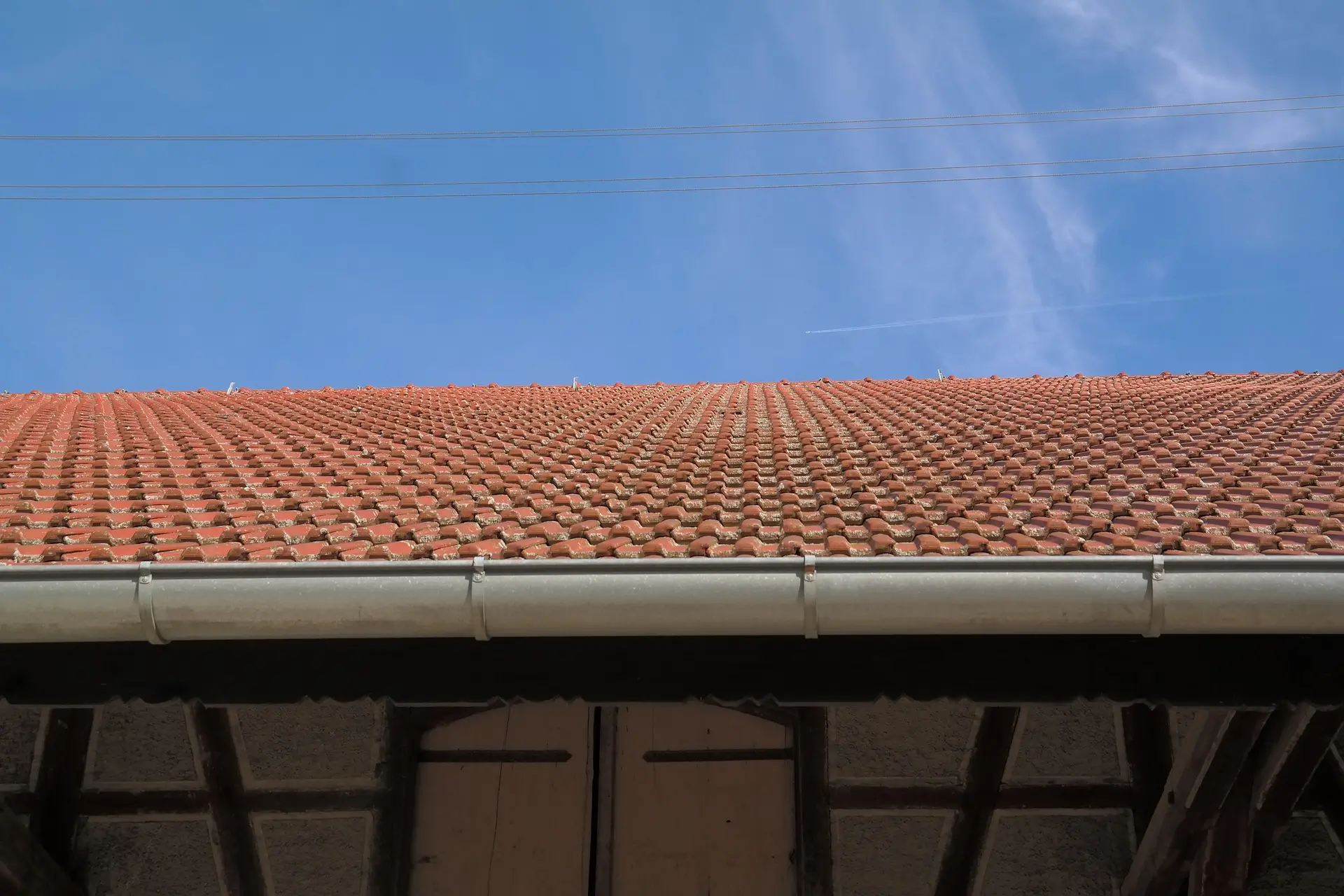
The Department for Communities' guidance on domestic chimneys and flues is direct on this point: blocking or closure of a flue should only ever be a temporary measure, and a mushroom-style vented cap is the right long-term fix because it keeps rain out while still letting air move freely.
We always vent the base of the flue too where the fireplace opening is still exposed, using a small vent set into a register plate rather than a full brick-up. Capping the top and sealing the bottom completely just moves the same condensation problem to a different part of the stack.
Why Melton Mowbray Homeowners Trust Tate & Sons With Their Chimneys
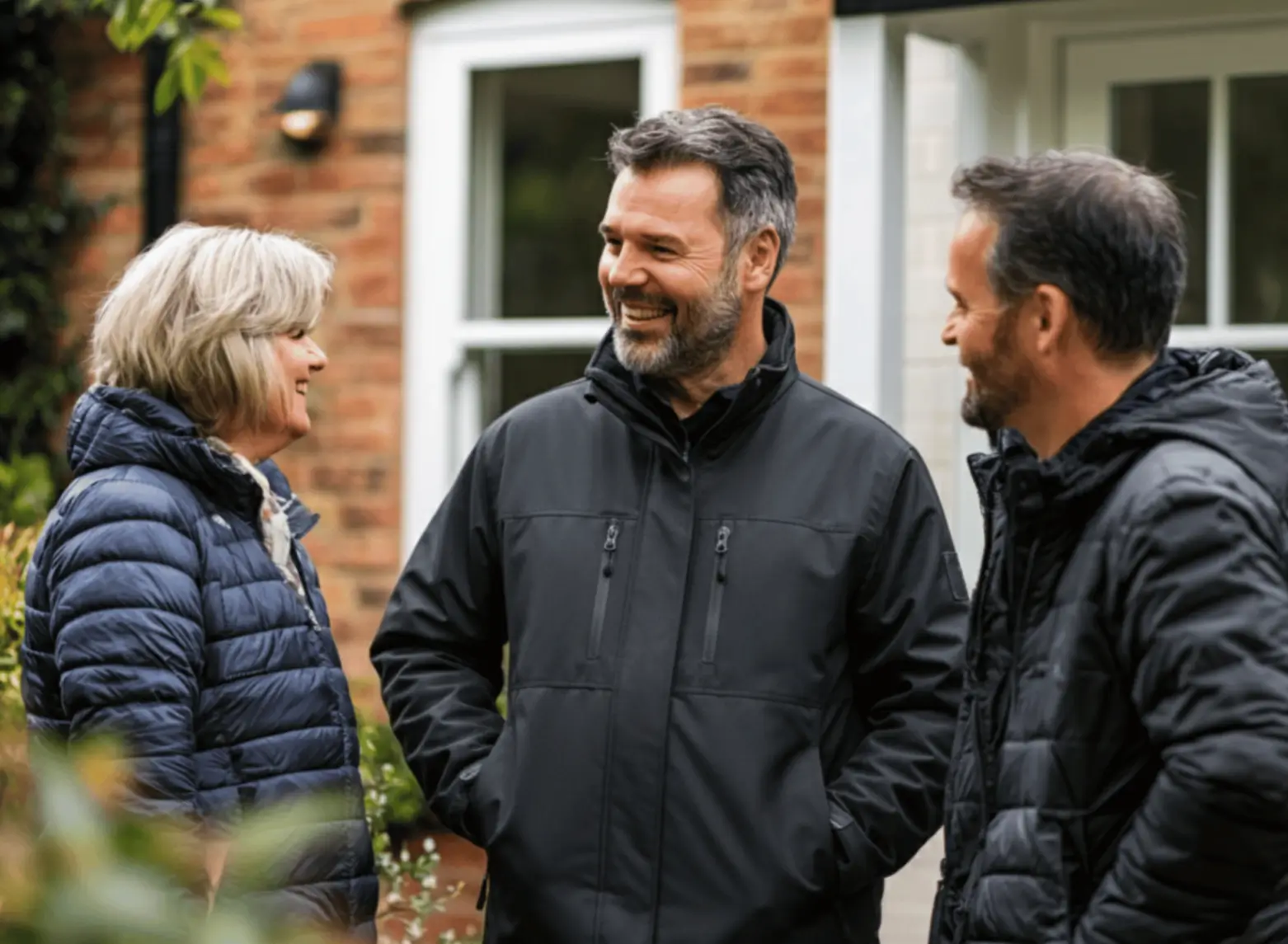
Capping a chimney looks simple from the ground, but getting it wrong traps damp you will not see until it has already spread. James Tate, our founder, leads the specification on chimney capping and weatherproofing jobs personally, drawing on fifteen years working roofs and stacks across Melton Mowbray before he set up the business. He still prices most of these jobs himself, because a five-minute look at a stack from the right angle tells you far more than a photo from the pavement ever will.
Daniel Oakland, our project manager, brings more than twenty years of hands-on roofing and stack work to every job, including the heritage lead detailing that older Melton stacks around Thorpe Arnold and Burton Lazars often need alongside a new cap.
Between the team we hold NVQ Level 2 and 3 qualifications in Roofing Occupations, carry CSCS cards, and back every capping job with our 10-year workmanship guarantee. Read more about the people behind the work on our About Tate & Sons Roofing page.
Areas We Serve Across Melton Mowbray and the Vale of Belvoir
We fit chimney caps and weatherproofing on disused flues right across Melton Mowbray and the surrounding villages. If your street is not listed below, call us anyway — there is a strong chance we already cover it.
- Melton Mowbray (LE13)
- Asfordby (LE14 3)
- Old Dalby (LE14 3)
- Nether Broughton (LE14 3)
- Frisby on the Wreake (LE14 2)
- Wymondham (LE14 2)
- Long Clawson (LE14 4)
- Harby (LE14 4)
- Stathern (LE14 4)
- Waltham on the Wolds (LE14 4)
- Bottesford (NG13)
Got Questions?
Your Chimney Capping Questions, Answered Properly
Do I actually need to cap an unused chimney?
Yes, an open disused chimney gives rain, birds and debris a direct route into your stack and home. Left uncapped, a flue slowly fills with nesting material and water, which damages the flue lining and can lead to damp on the chimney breast. A properly vented cap stops all of that while still letting the flue breathe. It is one of the cheapest ways to protect a stack that would otherwise cost far more to repair later.
Will sealing my chimney completely cause damp problems?
Yes, a fully sealed flue with no airflow is one of the most common causes of chimney damp. Warm air rising from inside your home condenses on the cold brick inside a sealed stack, and that moisture soaks into old soot and mortar. Over time it shows up as staining on the chimney breast, often months after the sealing was done. A vented cap avoids this because it keeps the flue breathing while still keeping weather out.
How much does chimney cap installation cost in Melton Mowbray?
A vented chimney cap typically costs £150–£400 supplied and fitted per chimney, and a simple cowl often runs £120–£350. Access is usually the biggest factor, since a ridge-mounted stack needing scaffolding can cost more to reach than the cap itself. Pointing repairs or extra pots on a shared stack add to the price. A fixed price always needs a proper survey first.
What is the difference between a chimney cap, a cowl and a chimney balloon?
A chimney cap sits permanently on top of the pot and is fitted by a roofer, while a chimney balloon is a temporary inflatable draught-stopper you fit and remove yourself lower down the flue. A cowl is a lighter, often decorative form of cap that still allows airflow. For a genuinely disused flue you want protected long-term, a proper vented cap fitted at roof level is the more durable, permanent solution.
Can I have my chimney reopened for a fire later if it has been capped?
Yes, provided the cap fitted was a removable vented cap rather than a permanent brick-up or full mortar seal. Most caps we fit can be taken off and the flue swept and inspected before a fire is used again. It is worth telling us at the time of capping if you might want the fireplace back one day, so we choose a cap that keeps that option open.
Do I need planning permission to cap a disused chimney?
No, fitting a chimney cap is routine maintenance and does not normally need planning permission, even on homes in the older streets around Melton Mowbray town centre. It only becomes a planning matter if the stack itself is being removed or rebuilt on a listed building or within a conservation area. We check a property's status before quoting on any more significant stack work.
Can bees and birds still get into a chimney with a cap fitted?
It depends on the cap. A gap of only a few millimetres is enough for honey bees to get through, so a standard vented mushroom cap will not always keep them out completely. If bee or bird access has been a repeat problem on your chimney, we can fit a finer bird-and-bee-resistant vented cap instead, which still allows the airflow a disused flue needs.
My fireplace is already bricked up downstairs in my Asfordby terrace — does the chimney still need capping?
Yes, bricking up the fireplace opening does nothing for the top of the stack, and many of Asfordby's mid-century terraces have flues that have sat open to the weather for decades above a bricked-up hearth. Rain and debris still travel the full length of an uncapped flue regardless of what has been done at floor level. Capping the top and adding a small vent through the brick-up downstairs deals with both ends properly.
One flue on my shared Georgian stack near the town centre is still used — does the disused flue next to it need its own cap?
Yes, each flue in a shared stack is a separate pipe, even though they sit side by side in the same brick structure. Capping the active flue's neighbour separately stops rain and birds using the disused one as an open route into the stack, without affecting how the working flue draws. We fit each pot on a shared stack according to whether that individual flue is in use or not.
Book Your Free Drone Chimney Survey Today
See exactly what your disused chimney needs before any work starts. No ladders, no pressure — just a clear picture from a local Melton Mowbray team.
Every winter an open, uncapped flue goes through another round of rain soaking into brickwork and mortar it was never designed to handle. Left long enough, that damp works its way down into the chimney breast, and a straightforward capping job turns into a repointing or rebuild bill instead. Book now for a free drone survey that shows you exactly what your stack needs — with no ladders and no obligation either way.
Get in Touch
Tate & Sons Roofing, Melton Mowbray
13 Cromwell Road, Melton Mowbray, LE13 0AD
📞 01664 490955
✉️ [email protected]